

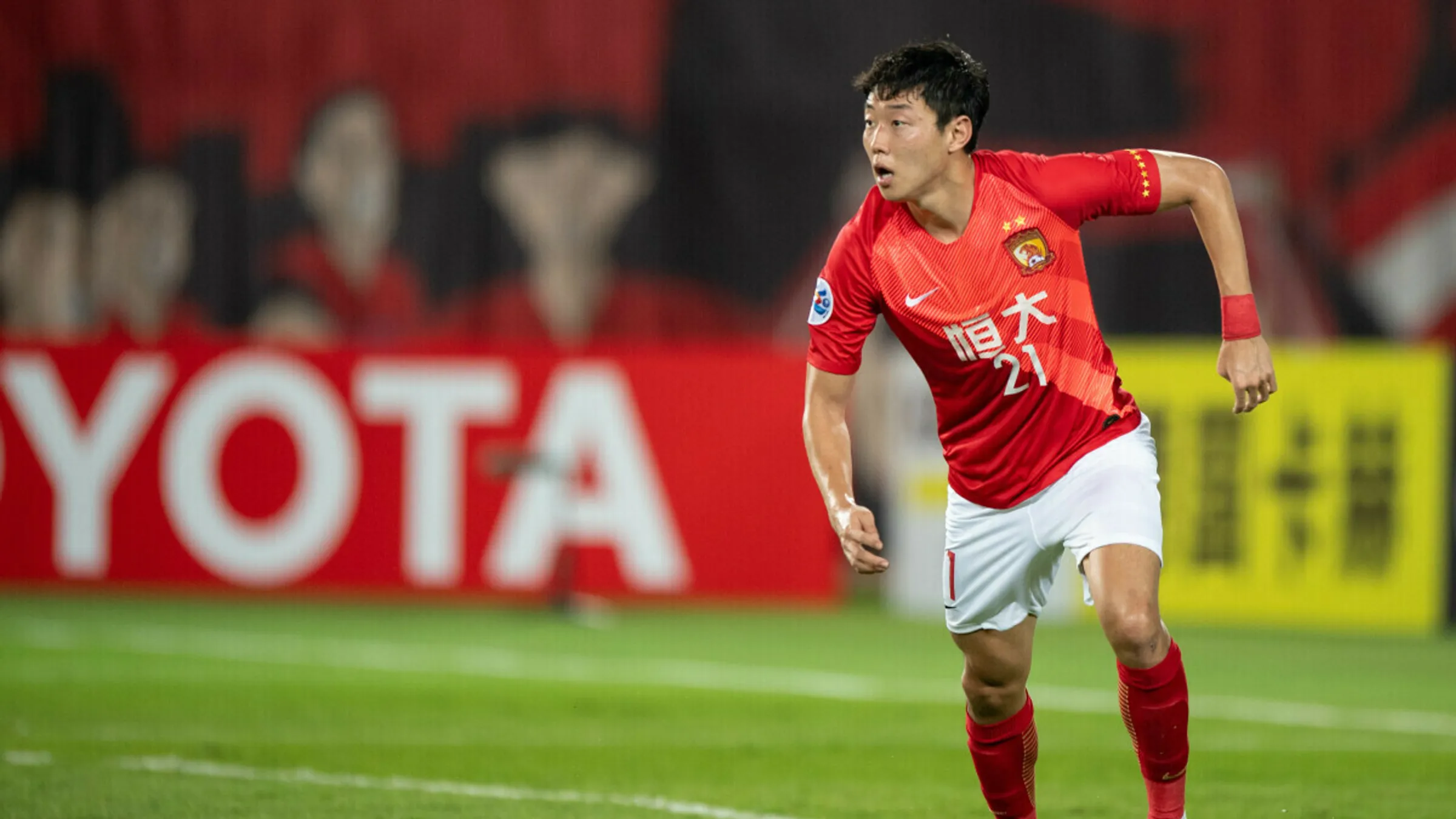
The defender is competing in the Continental tournament for the first time after joining the two-time winners from Hebei CFFC in February, and he will look to take his place in the starting line-up in the second leg of the quarter-final against Kashima Antlers on Wednesday.
With the contest delicately poised after a 0-0 draw in the first leg in Guangzhou, the visitors will know the value of an away goal, but there will be plenty of pressure on Gao and his fellow defenders to keep an in-form Kashima frontline quiet at the other end.
“They are very good at controlling the ball and passing, like all Japanese teams, and they always seize the opportunity when you make a mistake, they don’t give you a second chance,” said Gao ahead of the match at Kashima Soccer Stadium.
“I have made sure to study their most dangerous players because I will face them again on the pitch, and I will try my best to produce my best performance.
“This year there have a been a lot of changes to the squad and I’m also one of the new players in the team. I want to be involved with this club and help win a third AFC Champions League title. It’s a very big motivation for me.”

Quarter-final - 1st Leg: Guangzhou Evergrande vs Kashima Antlers
Gao is one of the few Chinese players to have played league football in Japan in recent times, having started his career in J.League 2 with Kattaler Toyama.
As a teenager, Gao became Kattaler’s youngest player and goalscorer before joining fellow J.League 2 club Avispa Fukuoka during a two-year stay in the country.
The defender returned to China to join Shandong Luneng but maintains fond memories of his former home, and he is set to play his first competitive match in Japan since his departure.
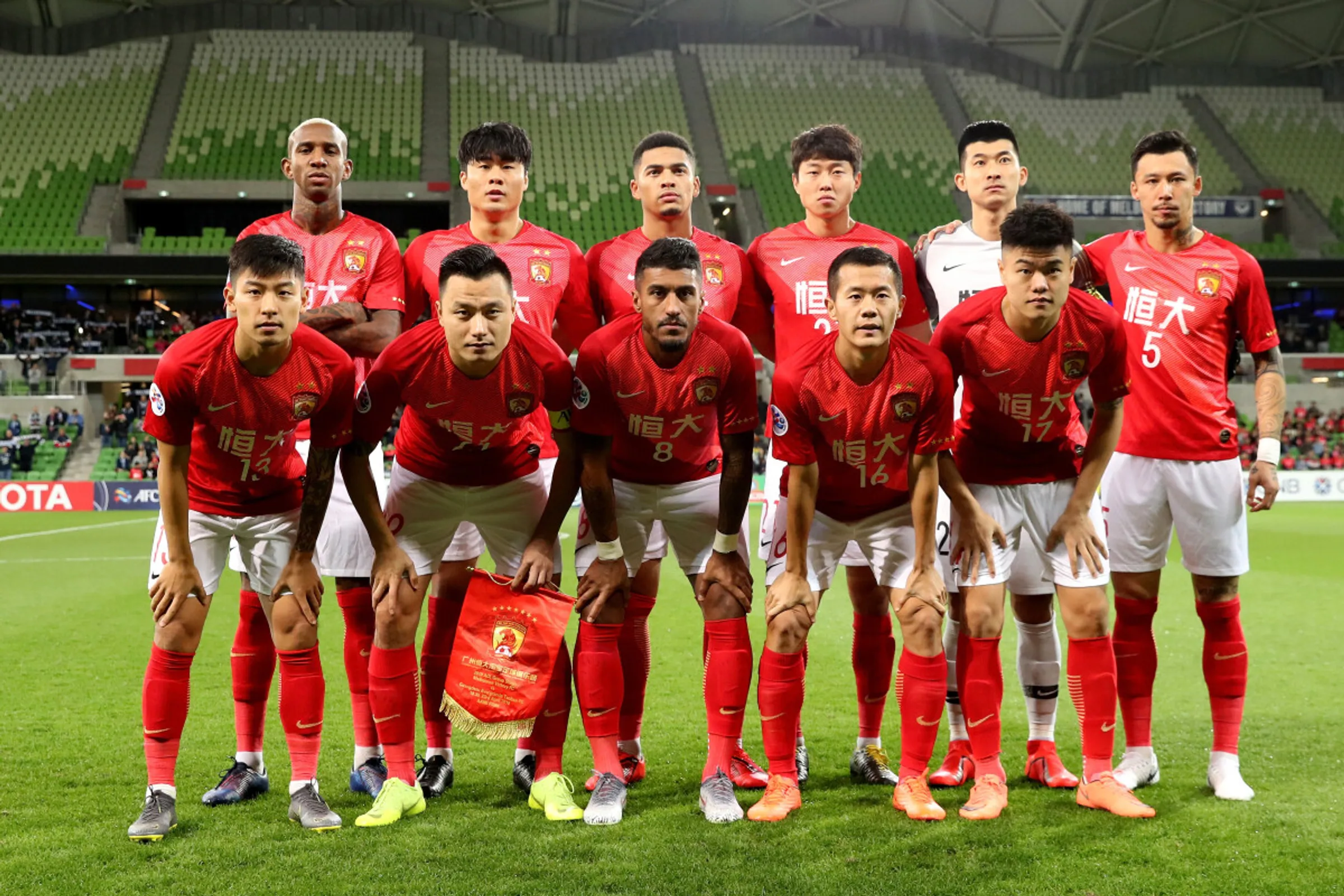
“Coming to Japan was very helpful for me because my career started here,” noted Gao.
“When I was 18 I played more than 20 games in J.League 2. It wasn’t easy for a young player to get such a chance and I still regard it as the most important experience of my life. Those days still help me in my current career in Guangzhou.
“For me the most difficult part was definitely the language, but another thing was because I was young I could only stay in a dormitory, which wasn’t ideal.
“I had to adapt to a different environment so it was strange. But really, I think everything in Japan was fantastic and I learned so much.”
While Gao has come a long way since moving to Japan’s second tier as a teenager, he was perhaps destined to become a footballer due to his family ties to the game.
His father, Gao Zhongxun, represented China during the 90s, appearing at the 1992 AFC Asian Cup in Japan as well as at the Asian Games two years later.
And Gao has followed in his father’s footsteps and has already made eight appearances for the national side since debuting in 2017.
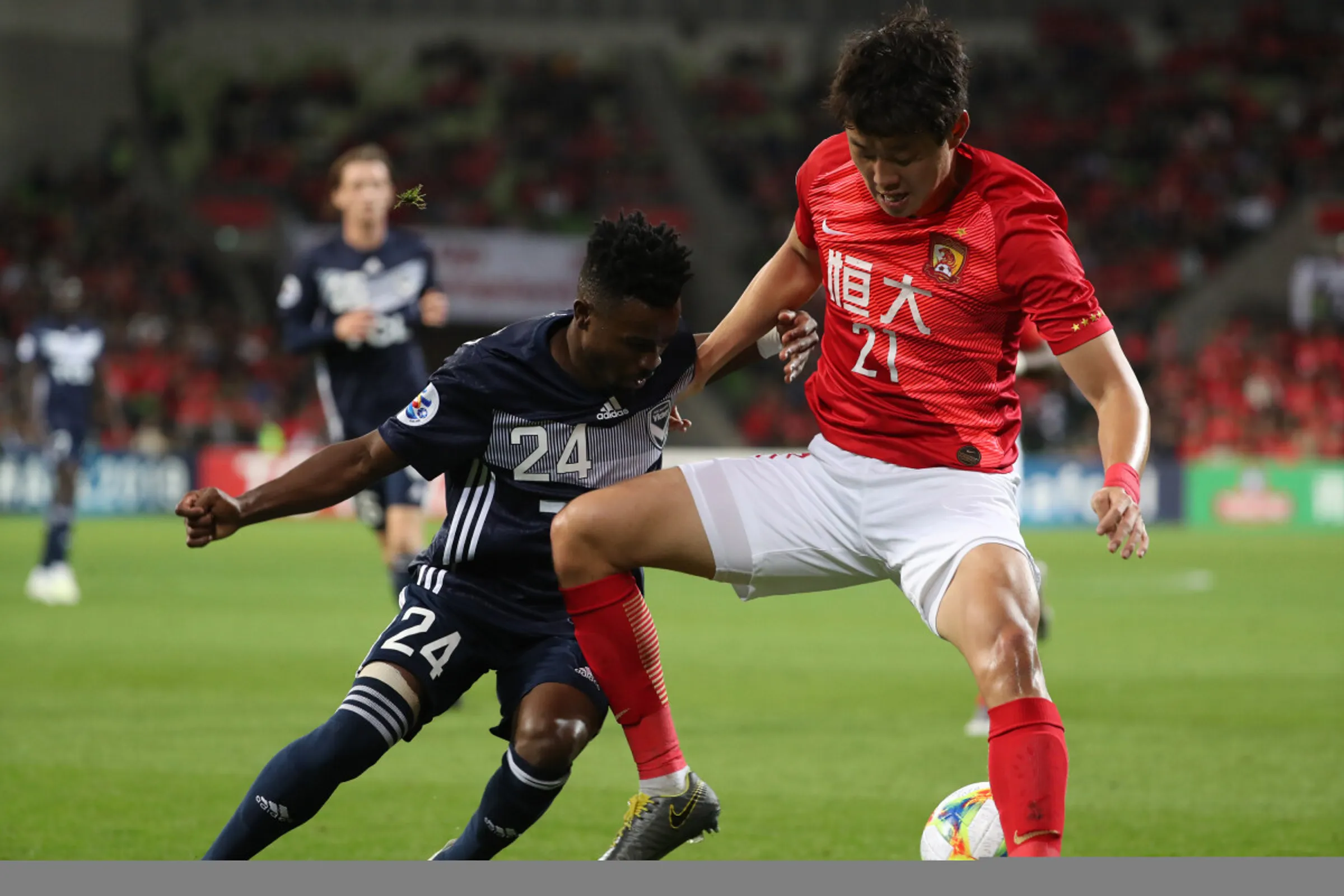
“His influence has been lifelong; it started from my first step and I think will continue until my retirement,” admitted Gao
“After each game, regardless of whether my performance has been good or bad, we talk about how I can improve.
“He tells me what he thinks I’ve done well and what I didn’t do well, so his influence on me is very big.”
Related News
- AFC Champions League
Doi: 'Together' Kashima can win all four titles
- Member Associations
East Asia Domestic Wrap: Kashima blow Japan title race wide open
- AFC Champions League
Hashioka: I want to emulate my heroes and be an Asian champion
- AFC Champions League
Quarter-final - 2nd Leg: Bounedjah takes Al Sadd through
- AFC Champions League
Xavi: We had an unbelievable match
