Asian Icons
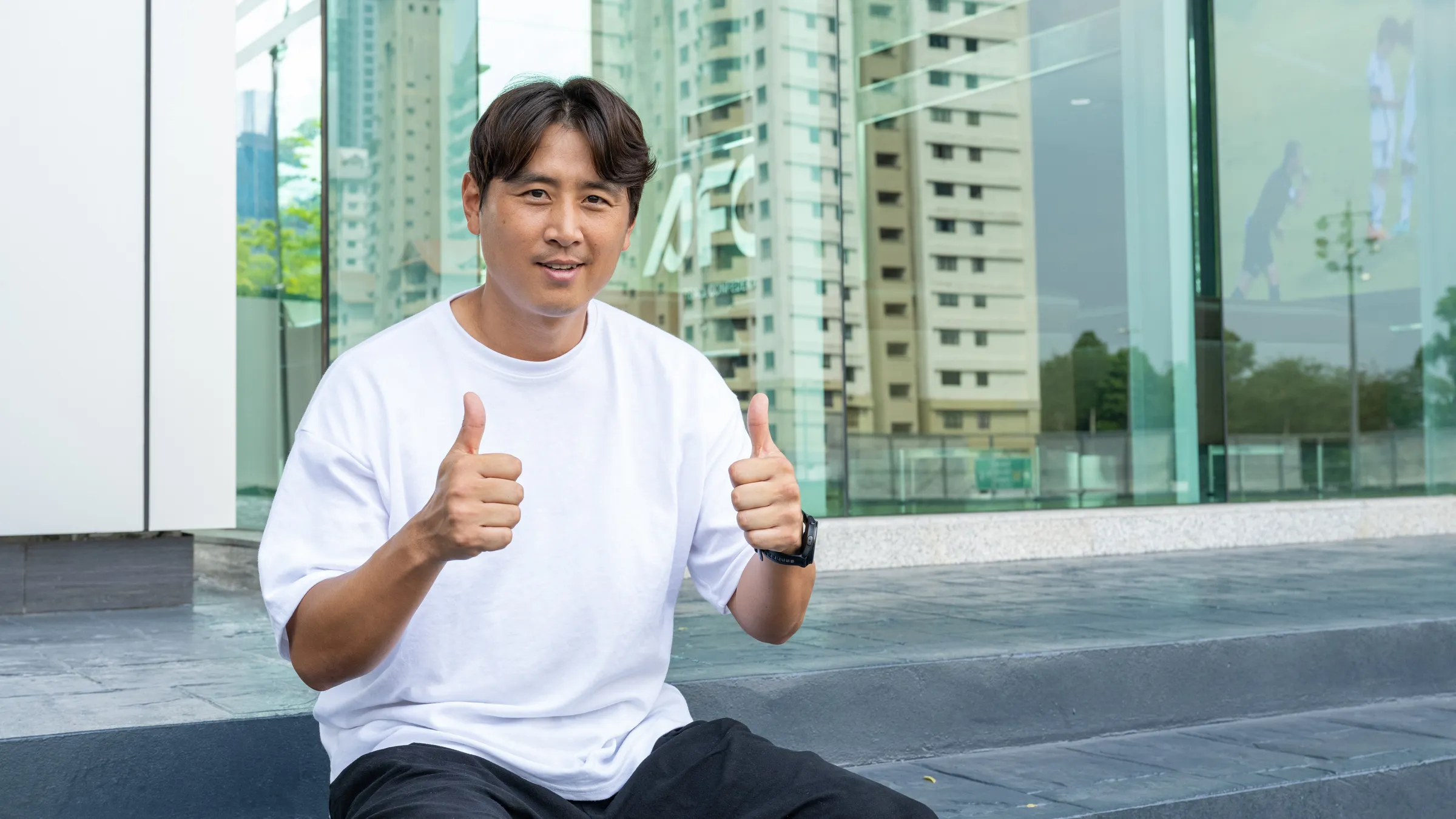
A veteran of two FIFA World Cups and the AFC Asian Cup™ 2011 top scorer, the former midfielder’s footballing journey took him from Jeju to Germany, the Olympics podium and back again.
Now working as a youth adviser at Jeju United, Koo recently spoke with the-AFC.com, sharing insights on Korea Republic, the evolution of football and what separates world class players from the rest.
For Koo, Korea Republic’s perennial qualification for the FIFA World Cup is more than about results, it's also about pride.
“We are always proud of our team, of being Korean. For us, qualifying for the World Cup is not something optional, it’s a responsibility. That’s why I’m really happy they made it. The people of Korea enjoy supporting the team at the World Cup. It means so much to them."
“This time, it was more challenging. There are always teams who are preparing to beat us. That’s why we always need to be ready. We must prepare well, every time,” said the 36-year-old.
“We’ve been going to the World Cup consistently, and we now have that experience and mentality. We’ve played against the best in the world. That’s why we know how to prepare.
“Our focus is always to go beyond the group stage – we don’t stop at qualification anymore. That’s the new standard for us.”
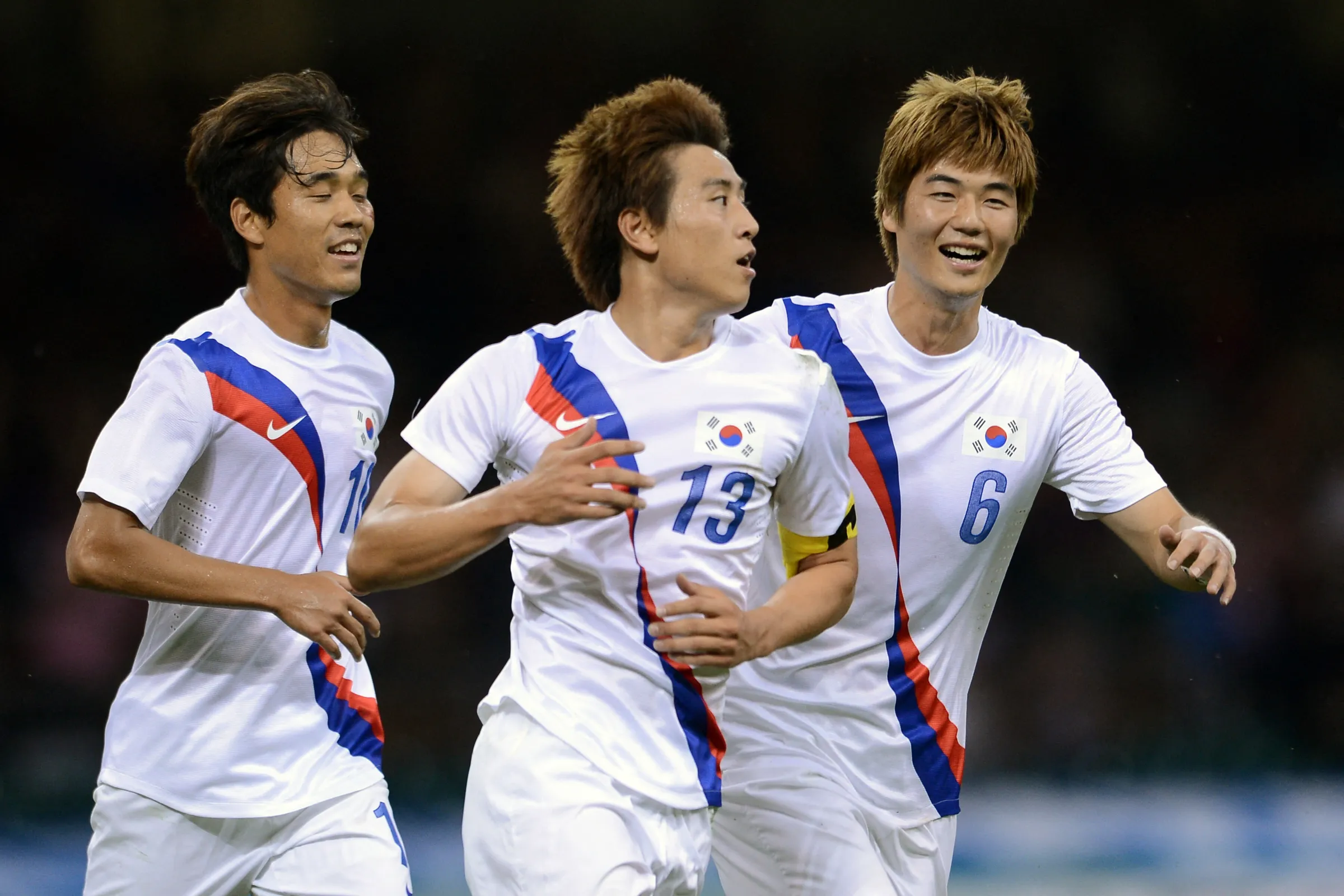
One of the proudest moments in Koo’s career came at the 2012 London Olympics, where Korea Republic earned bronze after defeating Japan in the playoff.
“I was so proud of our team at the Olympics. From the start, we believed we could do something special. Our mentality was very strong.
“Before the (quarter-final) game against Britain, our coach showed us newspaper articles – none of them mentioned us. Everyone was already looking ahead to a Brazil semi-final. That gave us motivation. We told ourselves: ‘We will beat them.’ And we did, because we trusted each other completely."
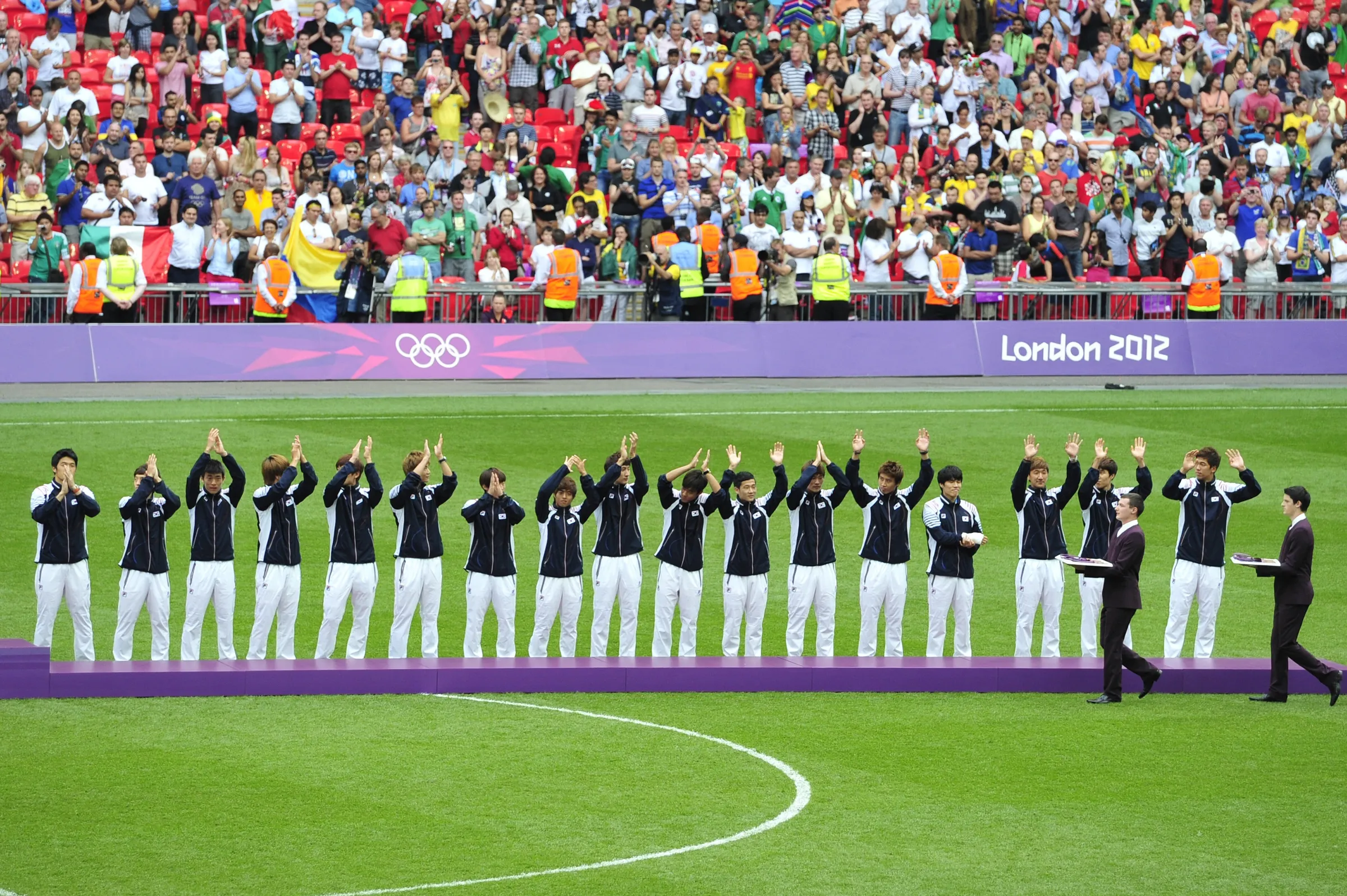
“In the end, we beat Japan and won the bronze medal. Fans messaged me on Instagram and Twitter, happy because we beat Japan. At that time, I think we had a stronger football history than them. But now, I feel that Japan have improved more than Korea Republic. So we need to keep developing too.”
After three seasons with Jeju United, Koo’s talent earned him a move to Europe where he spent eight years in Germany playing for VfL Wolfsburg, Mainz 05 and - most memorably - FC Augsburg. His final years included a stint in Qatar before returning to where it all began at Jeju United.
As Korea Republic strive to match the world’s best, Koo said the nation’s Europe-based players are a vital asset.
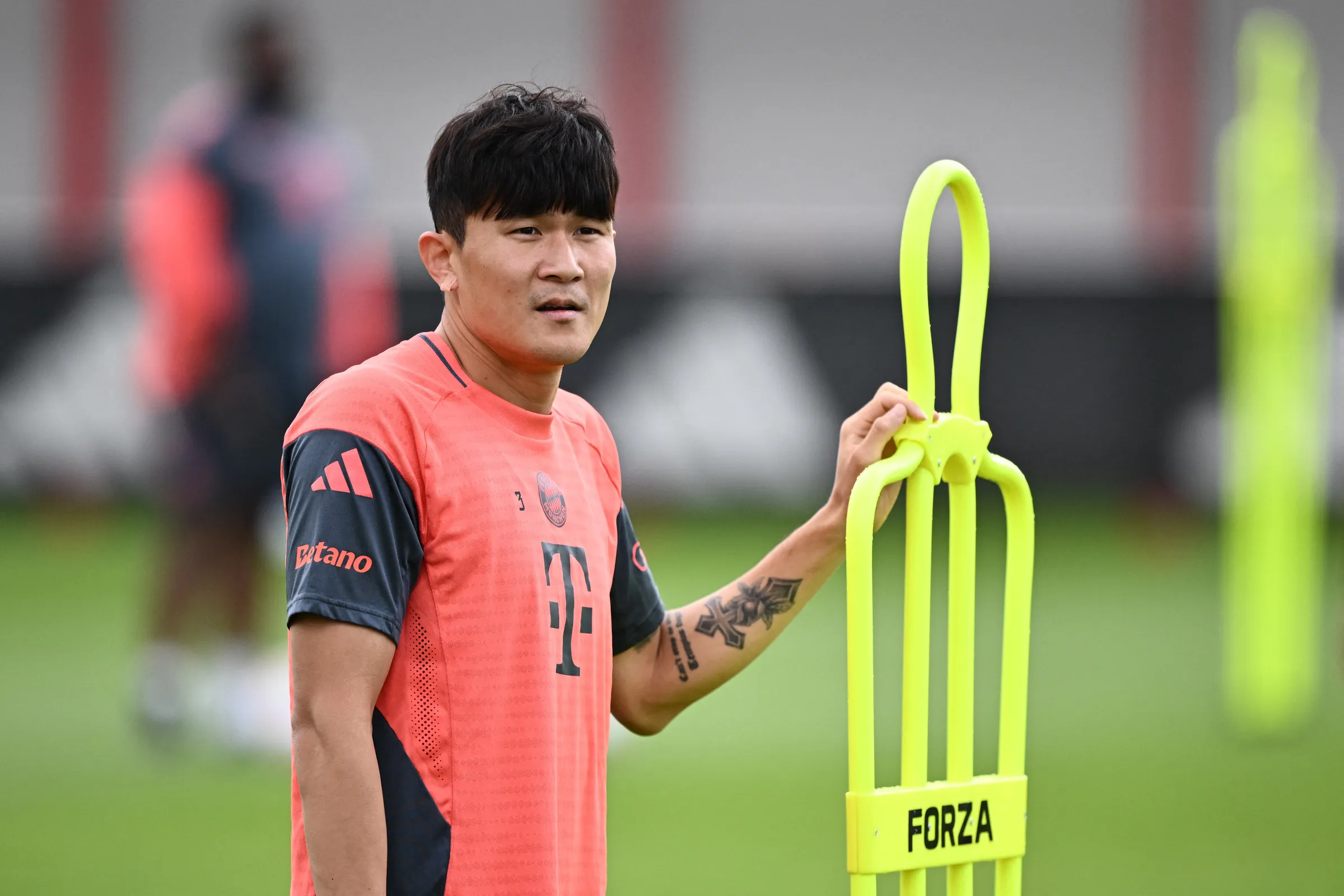
“Now we have world class players in our team. They lead the group and show their quality. And in the World Cup, when we face world class opponents, it’s important to have players who can match that level. This is one of the strong points of the Korean team,” said Koo referring to - among others - the likes of Son Heung-min, Kim Min-jae (pictured above) and Lee Kang-in (pictured below).
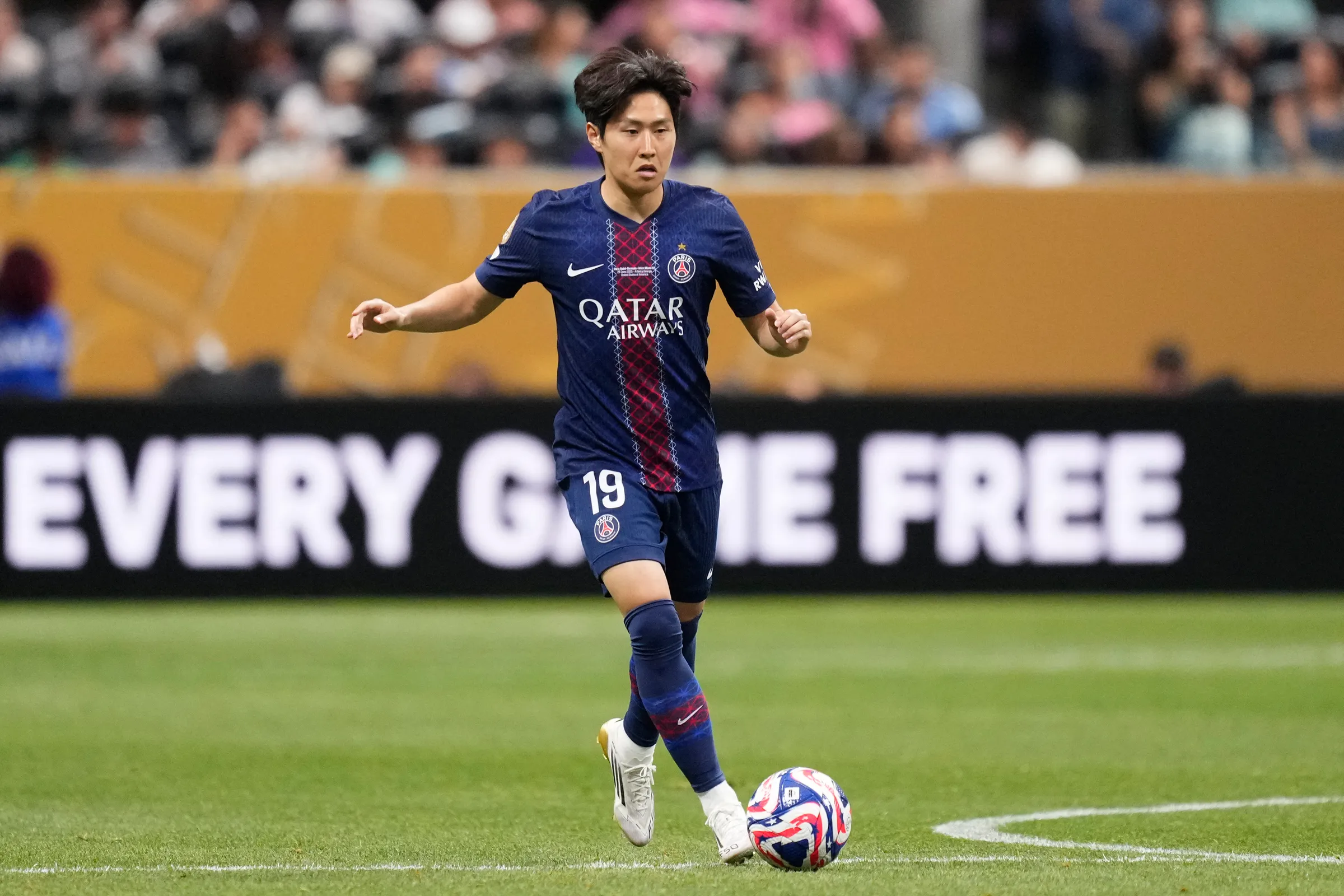
“But to play abroad, players need to put in a lot of effort. First, you have to adapt to the country and the club’s culture. Usually, this takes one or two years. But in terms of football quality, it’s not that different. The real challenge is mental. You need to adapt quickly and maintain professional standards.
“In Europe, players grow up with strong habits and discipline. They go through high-level youth programmes, and these small things make a big difference over time. In Korea, it’s a different culture. So that’s something our young players need to understand if they want to succeed abroad.”
Reflecting on how the game has changed since his playing days, Koo notes the increasing tactical emphasis in world football.
“Football culture has changed a lot since I started. In the past, the game was more focused on attacking, but now it’s about the system.
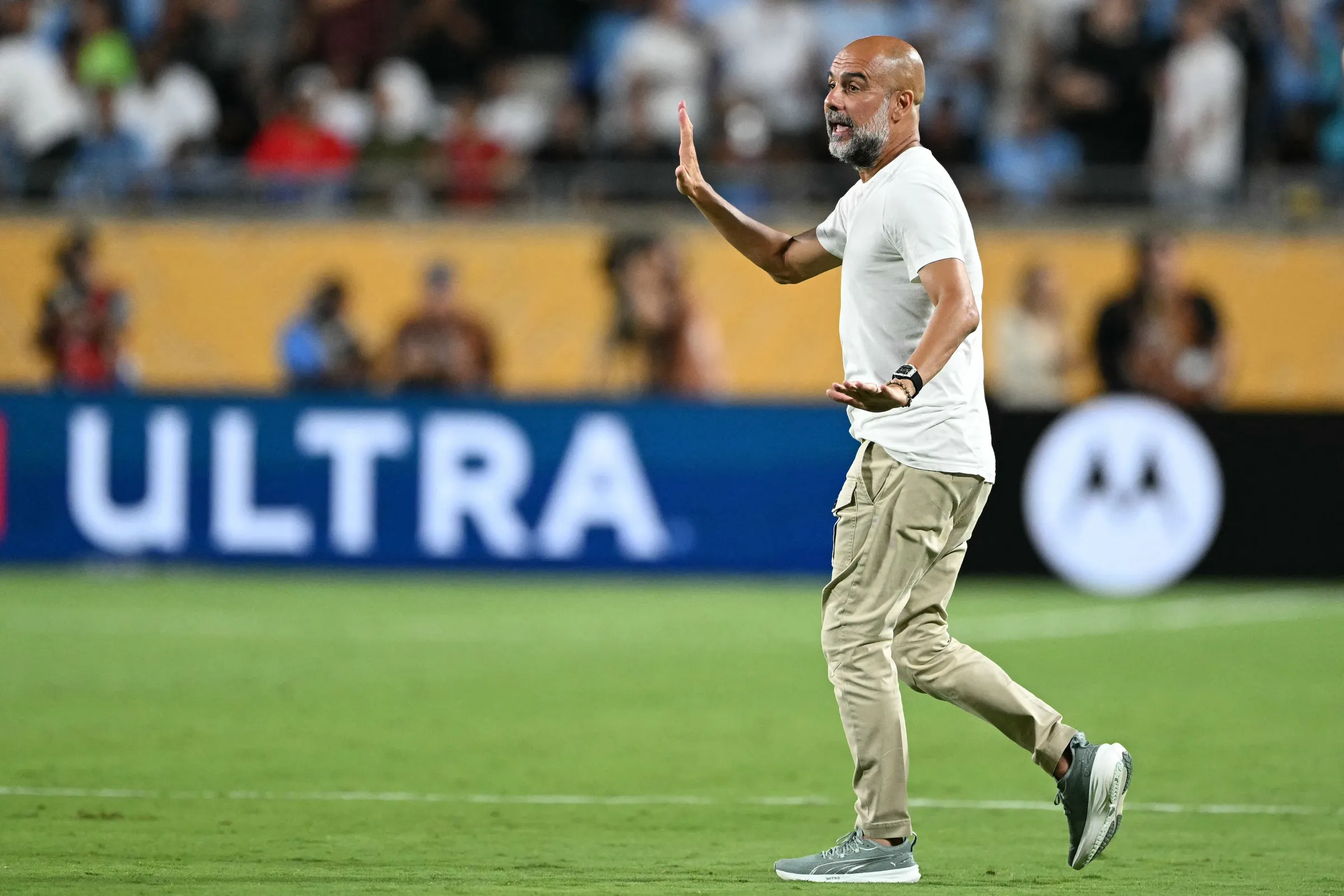
“For example, we saw Spain’s Tiki-Taka, and the influence of (Pep) Guardiola. Now many teams play possession football with more players involved in the build-up. It’s more tactical and now coaches need to be ahead all the time.
“Even teams with less quality can prepare well tactically – tight blocks, small spaces, smart transitions. That’s why the head coach’s responsibility is even greater now.”
On the domestic front, Koo sees the K League as strong but acknowledges that Asia’s club football landscape is evolving rapidly.
“I still believe our league is of high quality compared to the rest of Asia. We have many young, talented players and strong teams.
“But now, clubs like those in Saudi Arabia are spending more and bringing in top-level players from Europe. So the question for Korea is, how do we compete? We can’t spend the same amount of money, so we need to find smarter solutions.
“I was really happy to see Gwangju FC do well in the AFC Champions League Elite. They have an interesting head coach (Lee Jung-hyo), young, with clear tactical ideas. They play possession football with high energy, and they always show their character. That kind of football is exciting to watch, even in the K League.
“We need to continue improving. Teams like Thailand, Vietnam and other countries are growing fast. We have to keep up and push ourselves further.”
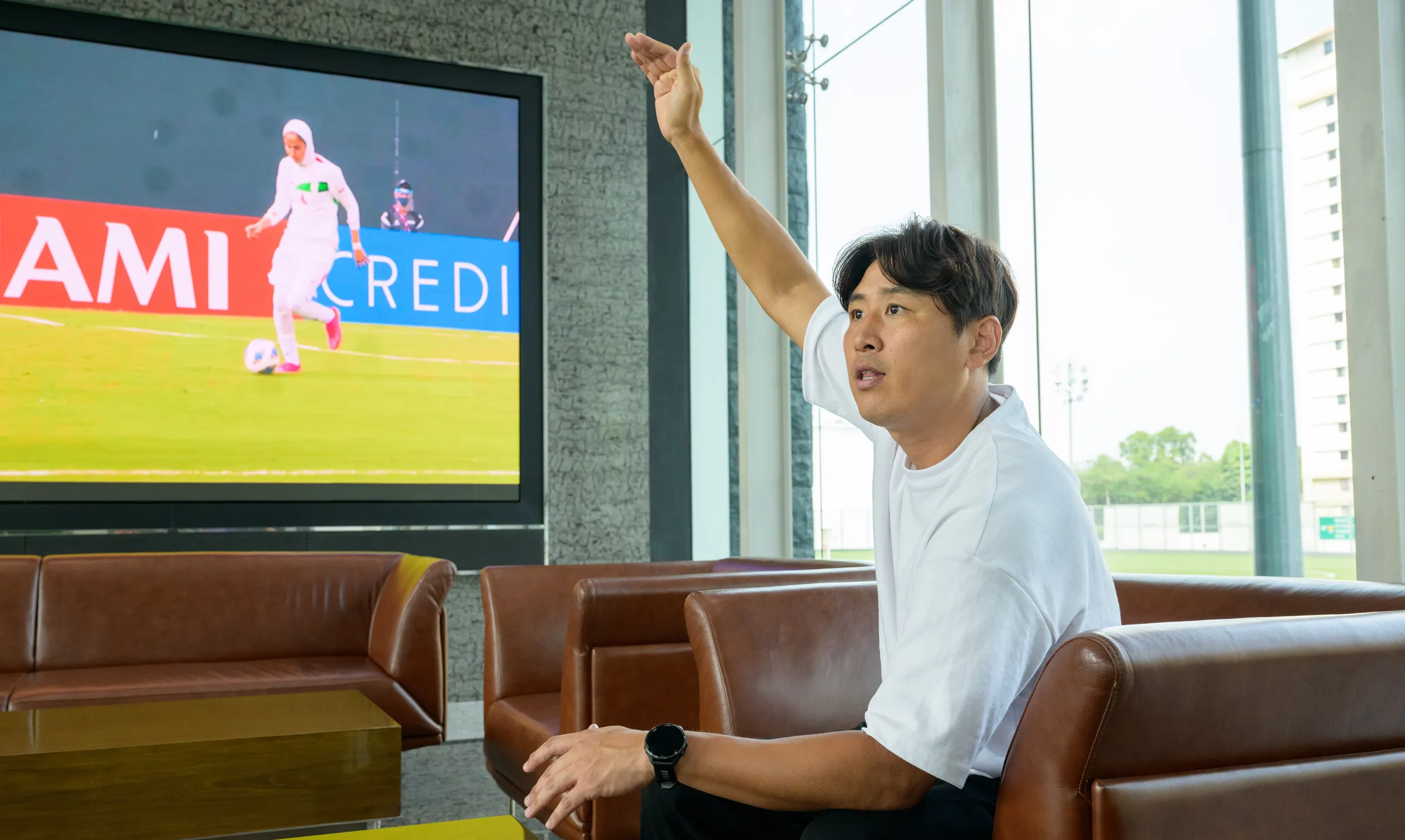
Koo closes with a simple but powerful message to Asia’s next generation of footballers.
“There is no shortcut to success. Young players must focus on themselves, not on the team or the future. Ask yourself: what are your weaknesses? What do you want to improve? Then decide, and put in the effort.
“During that process, you will suffer. You’ll doubt yourself. But stand up again, and keep going. Never give up.”
Koo’s career as a player may be over but his impact on football continues to grow, with the Nonsan native expected to engage in collaborative work with the AFC for key events.
Photos: AFP, AFC
Related News
- AFC Competitions
Stage set for #ACLElite and #ACLTwo preliminary battles
- AFC Challenge League
#ChallengeLeague preliminary showdowns ready for kick-off
- AFC U20 Women's Asian Cup
#U20WAC Qualifiers: MD2 Results & Reports
- AFC U17 Asian Cup
Saudi Arabia 2026 Qualifiers Draw finalised
- AFC U17 Women's Asian Cup
Hopefuls learn Road to China 2026 pathways

Item 1 of 5