


AFC Asian Cup
Ahead of Thursday's highly anticipated draw in Doha, The Norwegian tells the-AFC.com what it means to qualify and his hopes for Hong Kong at the Finals in Qatar.
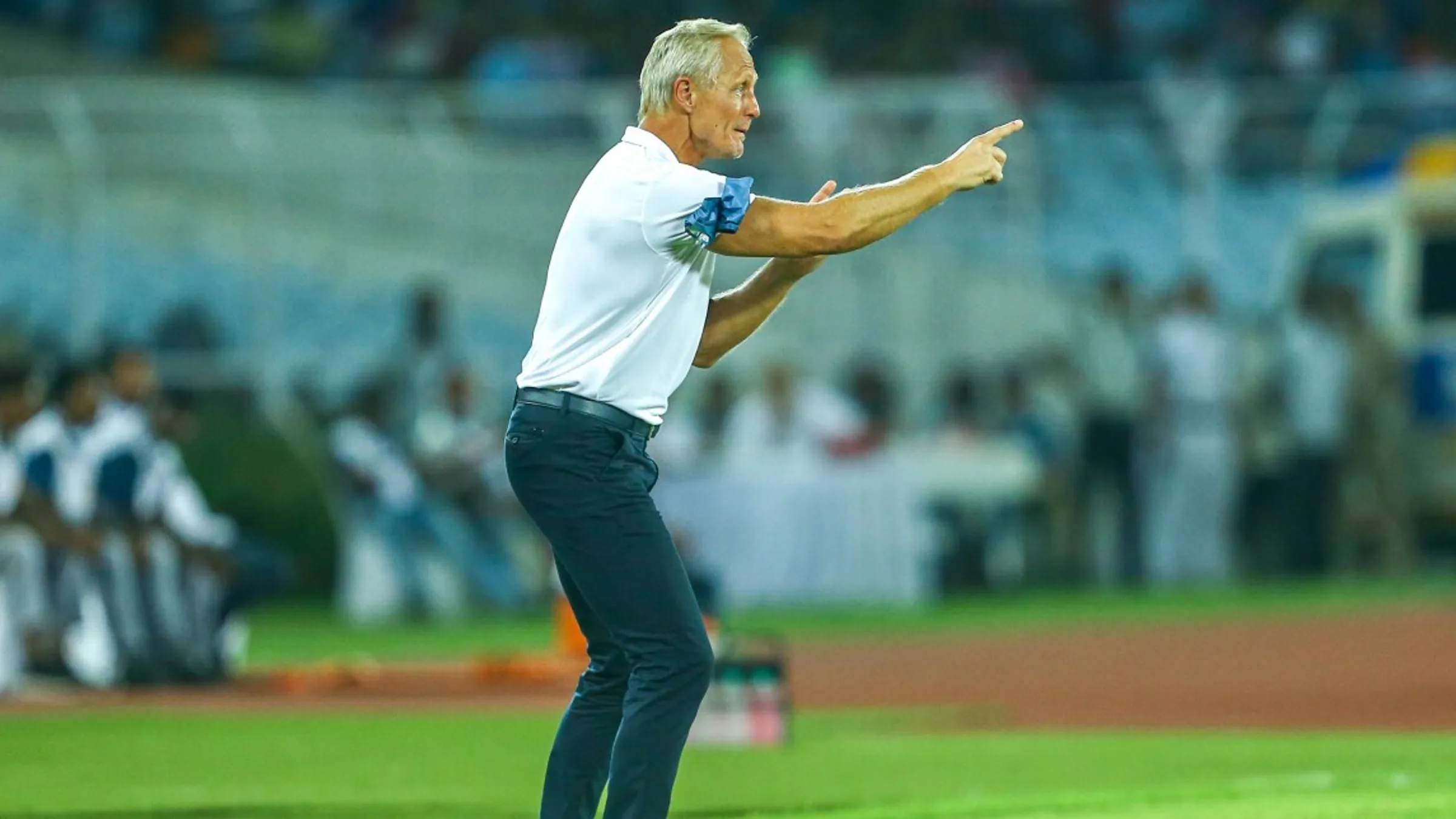
For weeks after Hong Kong confirmed their first appearance at the AFC Asian Cup Finals since 1968, head coach Jorn Andersen would be accosted as he strolled through the bustling shopping district of Causeway Bay.
Such was the delight in the territory, residents would stop the Norwegian to give thanks for an achievement that will see Hong Kong end an absence that stretches back 55 years when the next edition of the continental championship kicks off in Qatar in January.
“I didn’t have the feeling before we left (to play in the qualifiers) who was interested in Hong Kong in football because everything was closed,” says Andersen, who was appointed during the height of the COVID-19 pandemic.
“After I came back, I was living in a hotel in Causeway Bay and people were speaking to me everywhere: ‘Congratulations coach, you did great!’ Since I came back everyone speaks to me.
“People like football in Hong Kong, they recognise what we do and it’s been interesting. But now, after qualifying we have to take the next step.”
Securing qualification itself was a major success for Andersen and his team, and not just because of the territory’s low ranking and lengthy absence from the AFC Asian Cup finals.
The 60-year-old moved to the city at the worst possible time: COVID-19 infections were ripping through society and, weeks after he landed in December 2021, play in the Hong Kong Premier League was cancelled due to a paralysing outbreak.
The pandemic threw Andersen’s plans for the qualifiers – due to be played in India in June 2022 – into disarray. Players were not permitted to gather in groups to train and the Norwegian was unable to instill his tactical ideas into his new team.
It was an unenviable position for a coach who has experience of working in challenging conditions, having qualified DPR Korea for the Finals of the 2019 AFC Asian Cup during a two-year stint in Pyongyang.
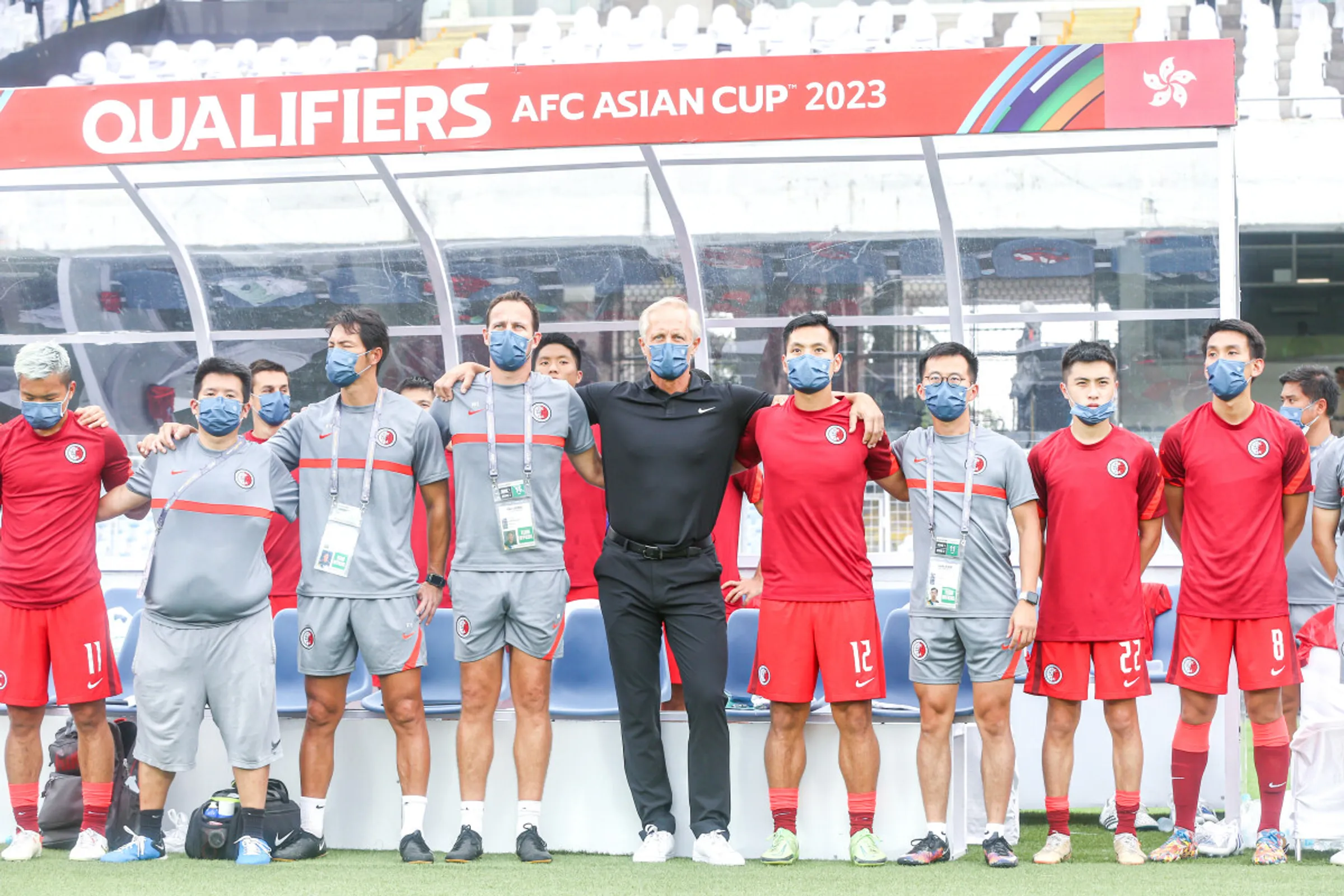
But where Andersen was accustomed to daily sessions with his former players, the situation in Hong Kong was the polar opposite. Tight health restrictions meant he was unable to meet his squad face-to-face for months before a solitary training camp in Thailand weeks ahead of the Qualifiers.
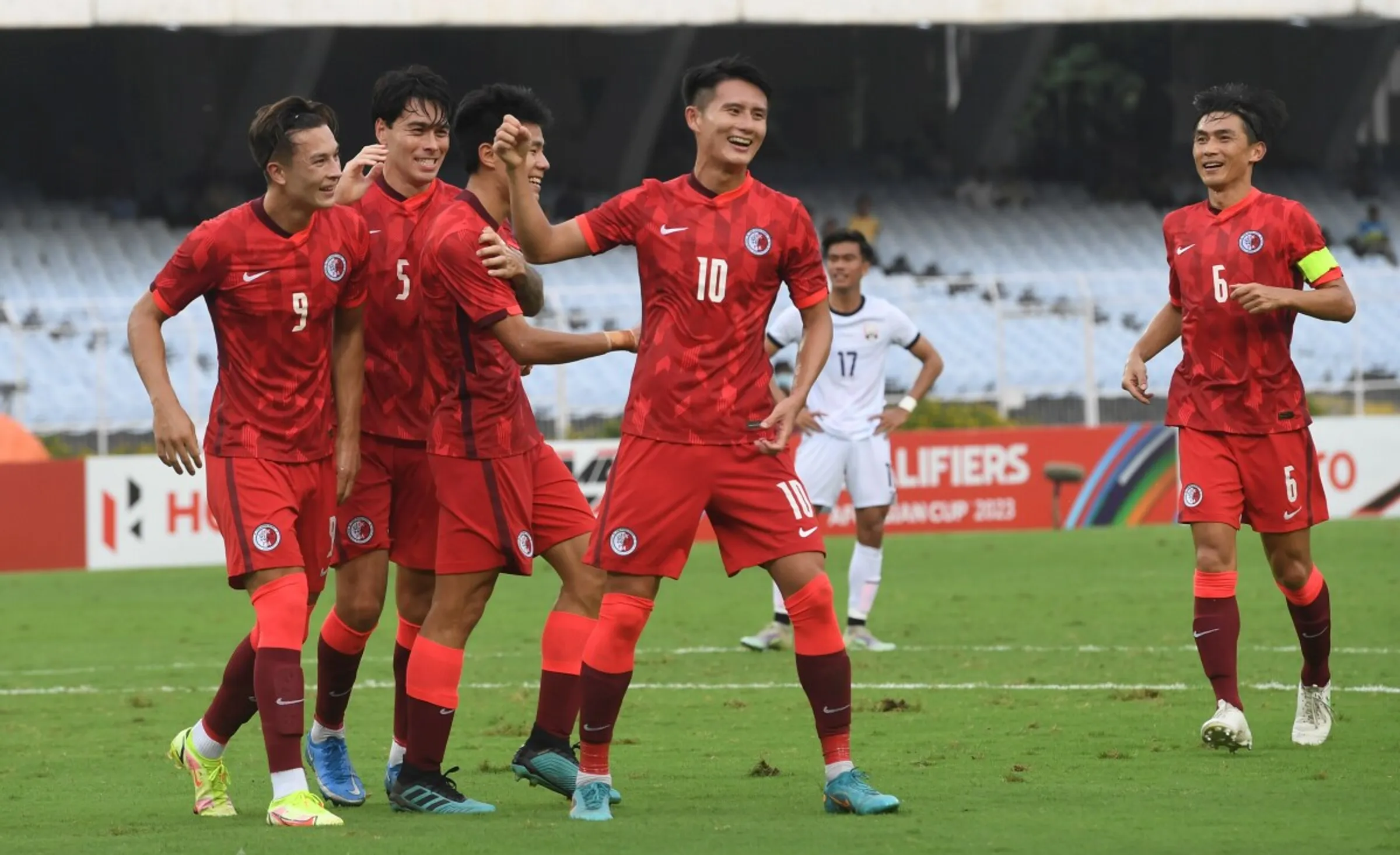
Despite those difficulties, Hong Kong saw off Afghanistan and Cambodia to finish second in their group behind India to join the other 23 representative teams in the draw for the AFC Asian Cup Qatar 2023 Finals in Doha.
“I don’t know what we did but we did it,” Andersen says of qualification. “That’s the only answer.
“I was surprised by the results. Before the first game I heard a lot of things about Afghanistan because they have a lot of good players around the world and they play at a higher level than in Hong Kong.
“But I hoped, because they are not together, that they don’t have what we have from the four or five weeks that we had together. We had that result because we were a team.”
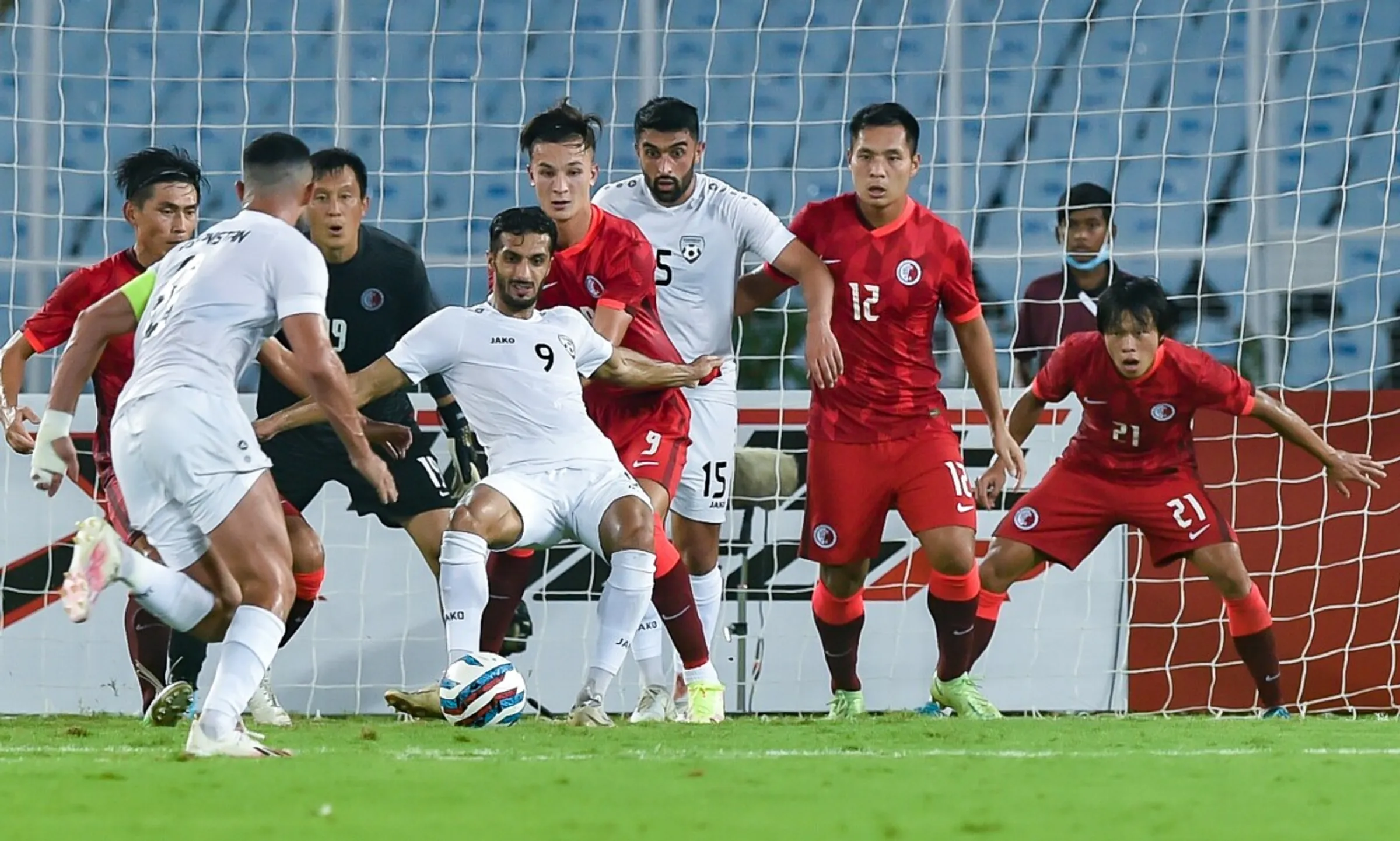
Hong Kong defeated Afghanistan 2-1 before a 3-0 win over Cambodia ultimately sealed qualification and Andersen has now shifted his focus to enhancing his team ahead of that first Finals appearance since 1968.
The territory has previously played at the AFC Asian Cup on three occasions, hosting the inaugural Finals in 1956 as well as playing in the event in 1964 and 1968. The Asian football landscape has changed significantly, however, and Hong Kong will be stepping into unknown terrain.
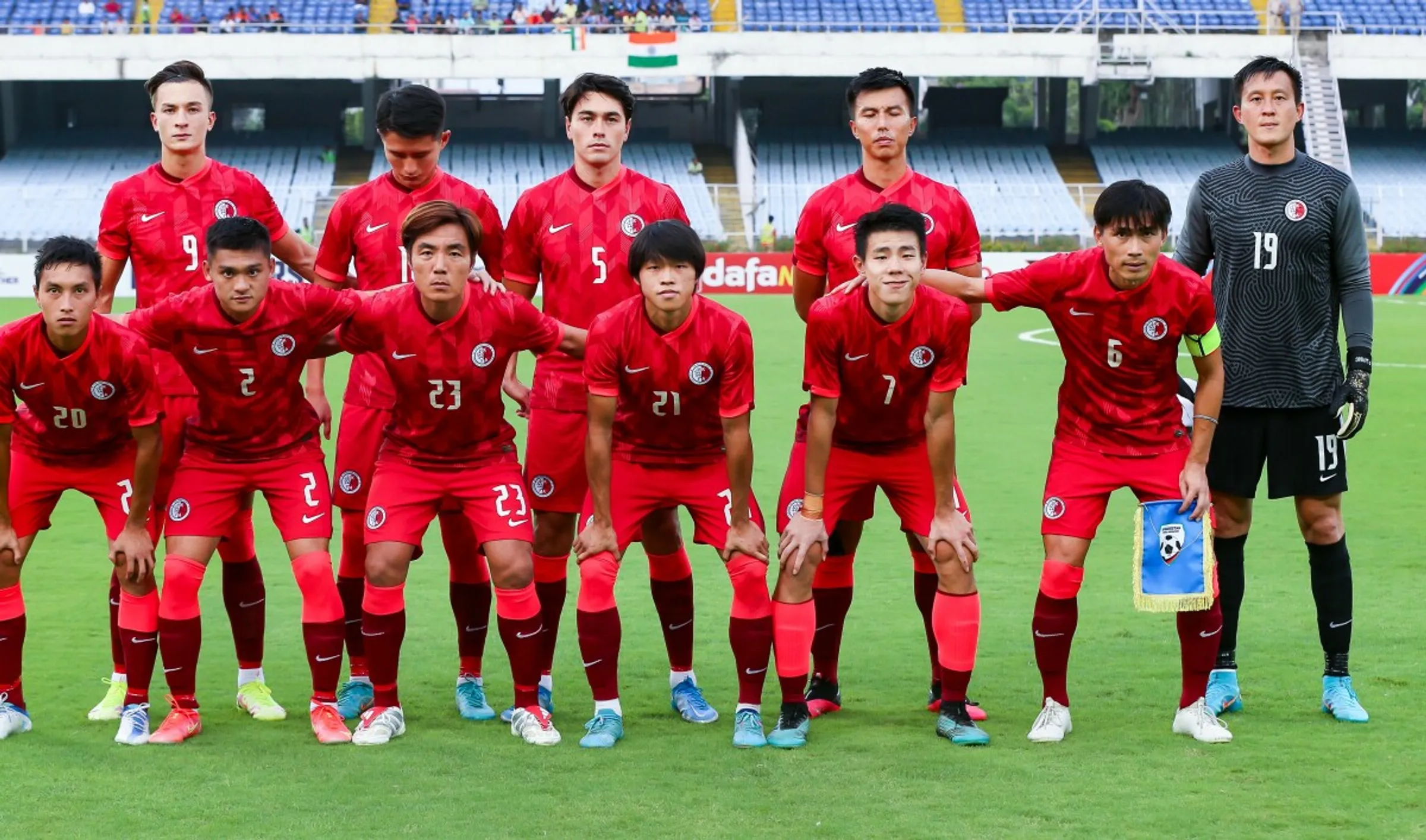
“If I can work with the team like I did with DPR Korea then I can tell you how I can make the next step: with my training,” says Andersen.
“But I can’t do that. I have to trust the clubs, how they are promoting and developing the players, how they are playing because I follow the teams’ training three times a week.
“I have to trust them and how they are developing the players. In DPR Korea I could do it myself, it was easier. But this is the job of a national coach. We have to select the players but the teams have to train and develop them.”
Andersen is also looking to enhance his pool of available players and has already seen Cameroon-born Mahama Awal secure Hong Kong citizenship and make his debut against Singapore in March while others are likely to follow.
“I’m very satisfied with the players who qualified but, of course, we can still make this team stronger,” he says. “There are some players who will get a Hong Kong passport and there are some who were born in Hong Kong who are playing outside, we are fighting for them.
“With one or two players we have had success and some others they want to wait. They’re young, they are playing in Europe and they have European passports and they dream to play for other national teams before they change the passport. We understand this. If they don’t then maybe later they can come and take the Hong Kong passport.”
Hong Kong will go into the draw in Doha among the lowest ranked teams in Pot 4 and Andersen knows his team faces a difficult task. But that will not stop him from wanting to play a role in improving the territory’s football future.
“For Hong Kong it’s an experience to go to a big tournament again,” he says. “In Qatar, where they played a World Cup with incredible stadiums, to play against good teams, strong teams, is a great motivation. Hopefully many Hong Kong fans, maybe one or two thousand will come and support the team.
“We will try to surprise and get one or two good results. The dream would be to be number three in the group and maybe we can qualify, but that’s a dream. We don’t think about that. We think about preparing well and maybe having good results. That’s our first step.
“But I think it’s important for Hong Kong football. People will be more interested, the government will see how important it is to play in a competition like this. It’s a very big tournament and if the Hong Kong people can see that then the support will improve.
“We have to get the big sponsors to back us and maybe this will the way to get more interest in football in Hong Kong.”
Related News
- Domestic Leagues
East Asia Wrap: Kitchee champions of Hong Kong; Marinos close in
- AFC Champions League
Scholz: Urawa owe victory to Rodriguez, Skorza
- AFC Champions League
Diaz vows Al Hilal will bounce back stronger
- AFC Champions League
Skorza credits hard work for Urawa’s amazing triumph
- SEA Games
Men's Group A: Timor-Leste 0-3 Indonesia; Myanmar 2-0 Cambodia

Item 1 of 5