


AFC Asian Cup
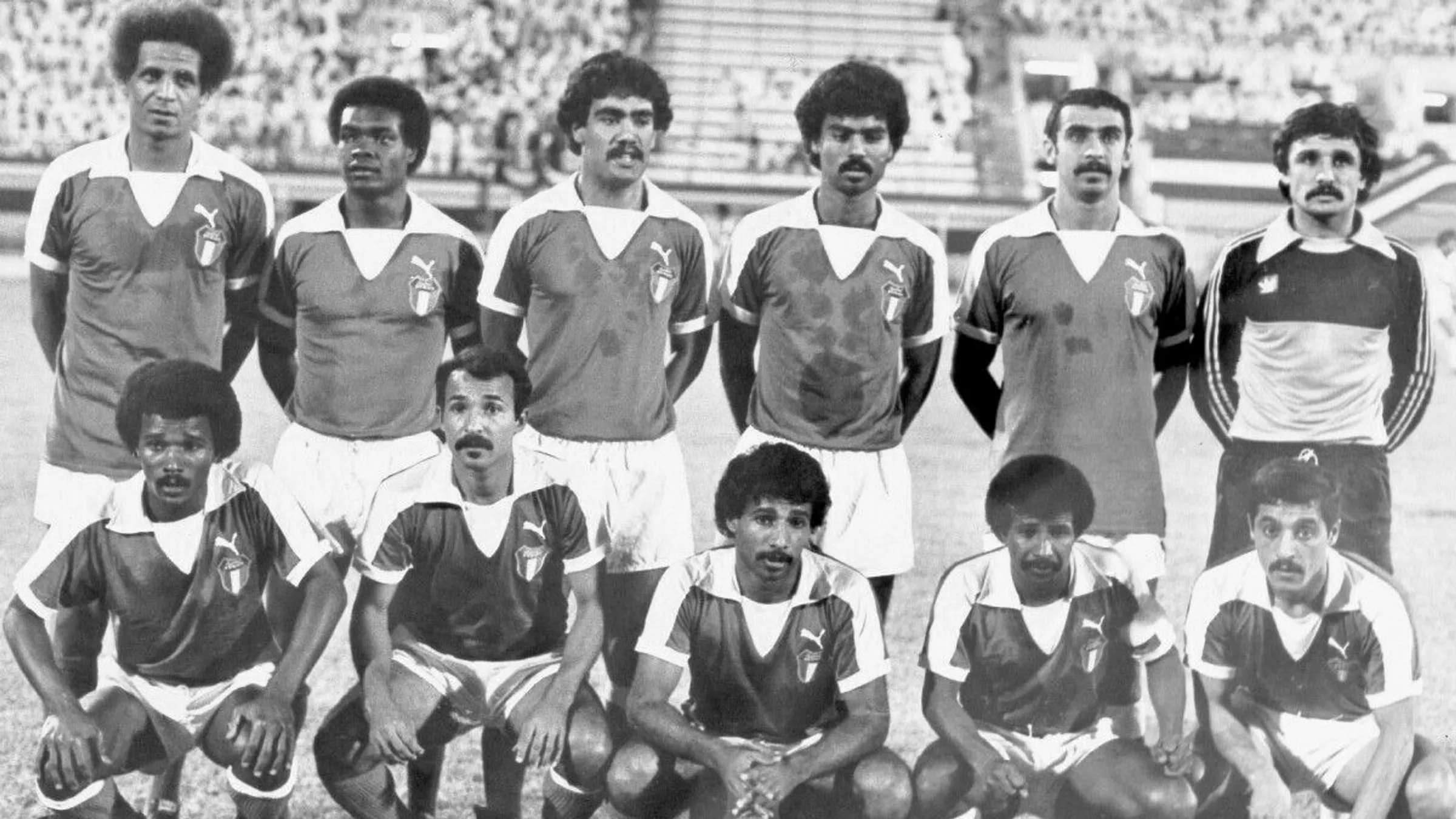
Although the West Asian nation will not be competing in the Qatar 2023 edition, there is no denying they once had one of the greatest AFC Asian Cup teams of all time.
Kuwait currently sit 135th in the FIFA World Ranking, but things haven’t always been this way for the West Asian nation. Indeed, there was a time where Kuwait were Asian champions, competed at the FIFA World Cup and reached the quarter-finals of the Olympic Games.
Success on all fronts was to follow soon, but it was at the regional Gulf Cup of Nations that the seeds of Kuwait’s dominance were sowed. The Blue Wave swept the first four titles of the tournament in the 1970s before Iraq entered the fray, becoming their biggest rivals with the two nations equally splitting the titles of the six editions contested between 1979 and 1990.
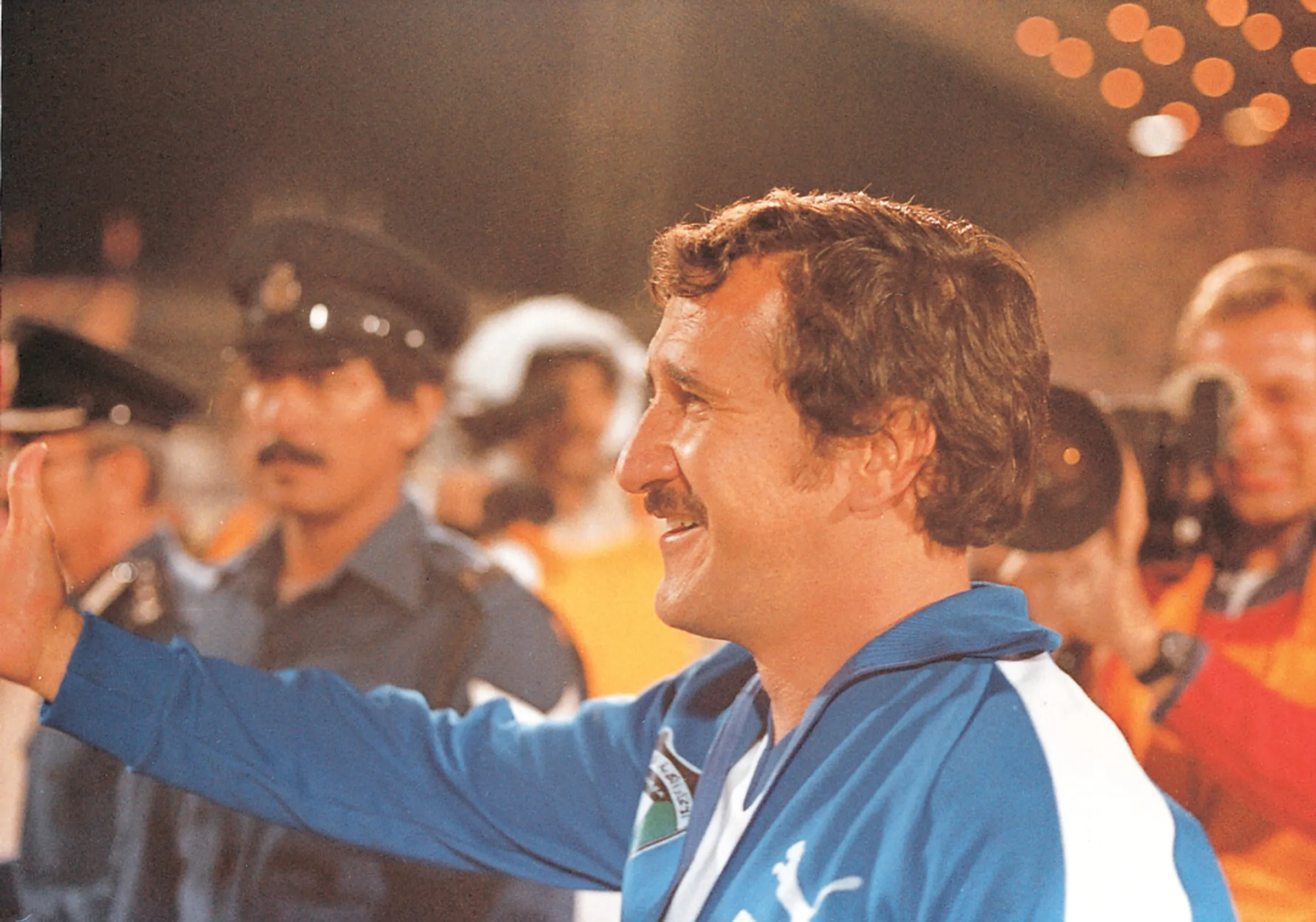
A little known Brazilian named Carlos Alberto Parreira arrived in 1978 and over the next four years, he would give Kuwait their best years, but also build the foundations of a career that made him one of the greatest football coaches of all time.
Continental Glory
When Kuwait hosted the 1980 AFC Asian Cup, the Blue Wave had gone all the way to the final in Islamic Republic of Iran four years earlier, before losing to the hosts courtesy of an Ali Parvin goal. Fathi Kamel had impressed in Tehran, finishing as the tournament’s top scorer.
When Kuwait hosted the 1980 AFC Asian Cup, the Blue Wave had gone all the way to the final in Islamic Republic of Iran four years earlier, before losing to the hosts courtesy of an Ali Parvin goal. Fathi Kamel had impressed in Tehran, finishing as the tournament’s top scorer.

On home soil, participating teams grew from six to 10, and Kuwait started with an unconvincing 1-1 draw against the UAE in Group B. Their second game saw them beat Malaysia 3-1 with Kameel getting on the scoresheet and Jassim Yaqoub netting two penalties.
A shock 3-0 defeat to Korea Republic cast doubts over the hosts’ ability to repeat their effort from four years earlier, but a 4-0 win over Qatar including a Faisal Al Dakhil brace steadied the ship, helping Kuwait finish the group stage in second place behind Korea Republic.

The semi-finals brought a repeat of the 1976 final, and Kuwait duly got their revenge. Yaqoub and Al Dakhil scored at Sabah Al Salem Stadium to lead the nation to their second consecutive continental final, despite Hossein Faraki’s consolation goal at the death.
Awaiting in the final were Korea Republic, who had beaten DPR Korea 2-1 in the second semi-final. Another opportunity for payback was capitalised on by Pareira’s men. Saad Al Houti scored early on and Al Dakhil got his second double of the tournament as Kuwait City erupted into celebrations; Kuwait were finally on top of the Asian throne.
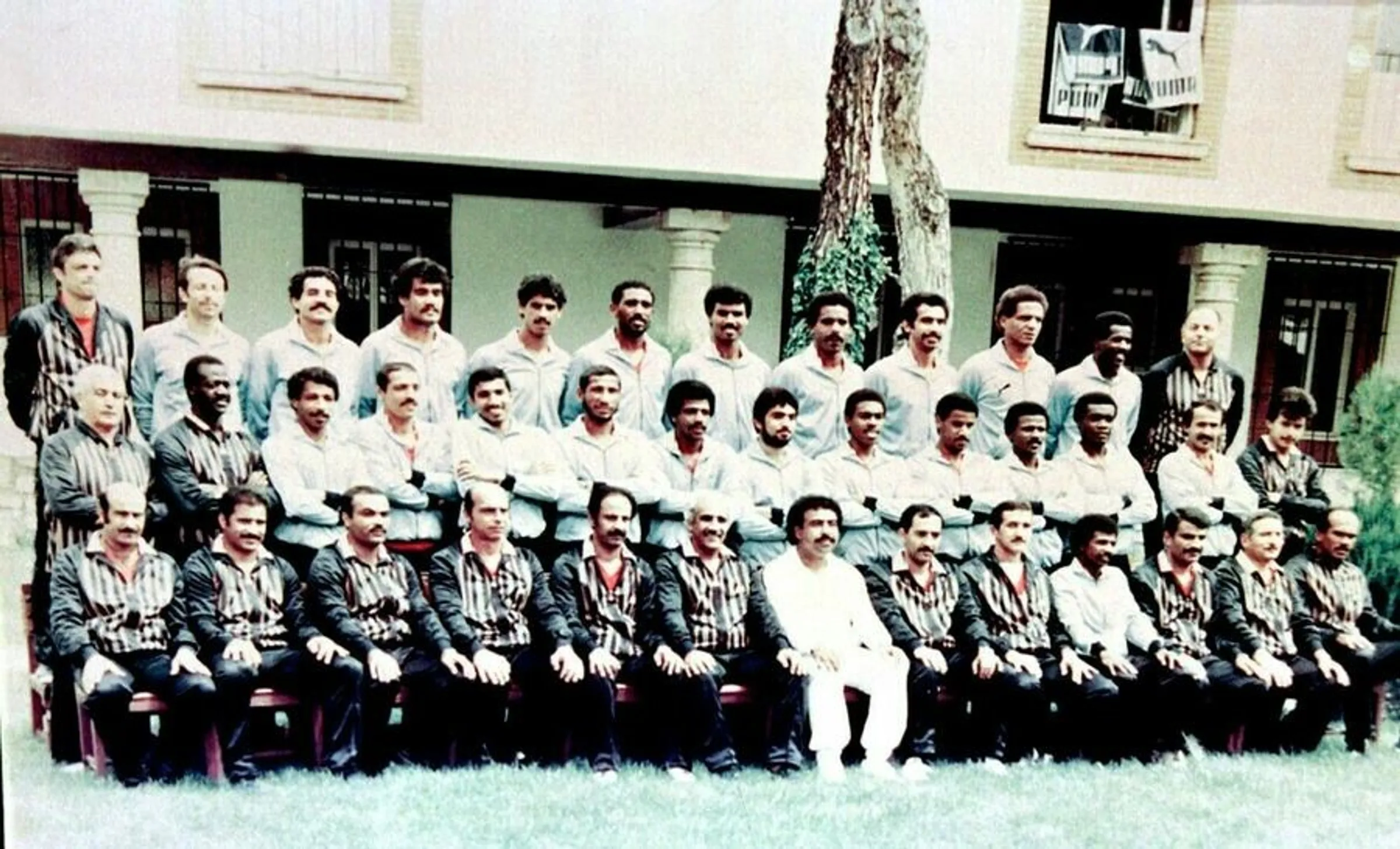
That was followed by qualifying for the FIFA World Cup for the very first time in 1982, where Kuwait managed a point and two goals during the tournament - the point coming after a spirited performance against Czechoslovakia, with the Europeans’ goal coming from a penalty scored by Antonin Panenka, while Al Dakhil blasted a stunning shot from 40 yards out to secure his country’s first and only ever point at a FIFA World Cup.
The other goal came against France, scored by Abdullah Al Balushi after a well-executed set play routine.
Kuwait's fortunes have faded somewhat in recent times but there is no denying they belong among the most iconic of AFC Asian Cup teams.
Related News
- AFC Asian Cup
AFC Asian Cup Qatar 2023™: Tickets for grandest ever showpiece on sale now! Prices start as low as QAR 25
- AFC Asian Cup
Greatest AFC Asian Cup teams: IR Iran (1970s)
- AFC Asian Cup
Six Asian Games stars who could shine at Qatar 2023
- AFC Asian Cup
Japan dominate, new champions emerge
- AFC Asian Cup
West Asia takes charge

Item 1 of 5