

AFC Women's Asian Cup
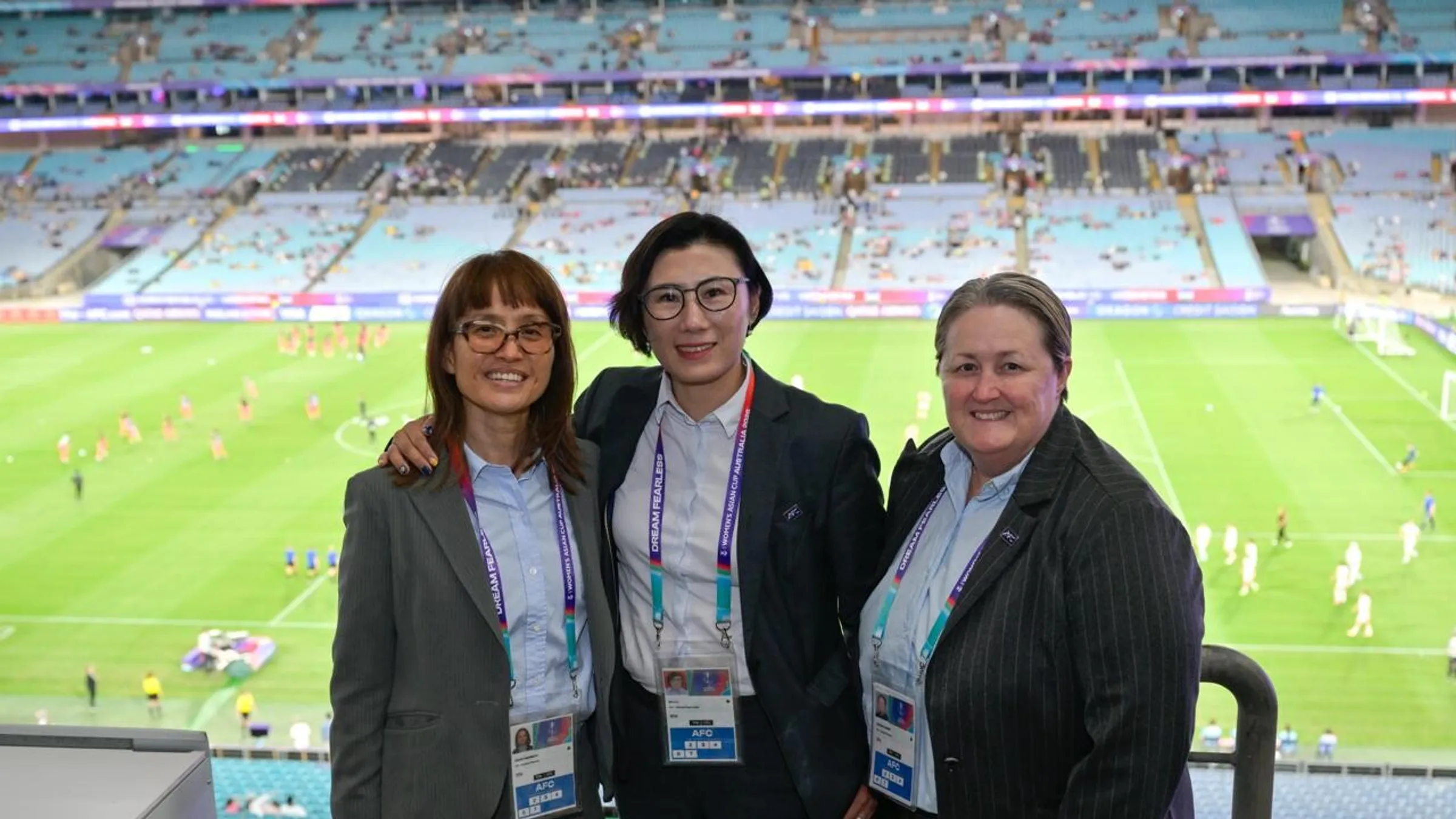
One of the key members of the team is FIFA Technical Expert Rae Dower, who spoke to the-AFC.com, to share her perspective on what the tournament reveals about the continued growth and competitiveness of the women’s game in Asia.
For fans who may not know much about it, could you explain the role of the Technical Observer Team during a major competition like this?
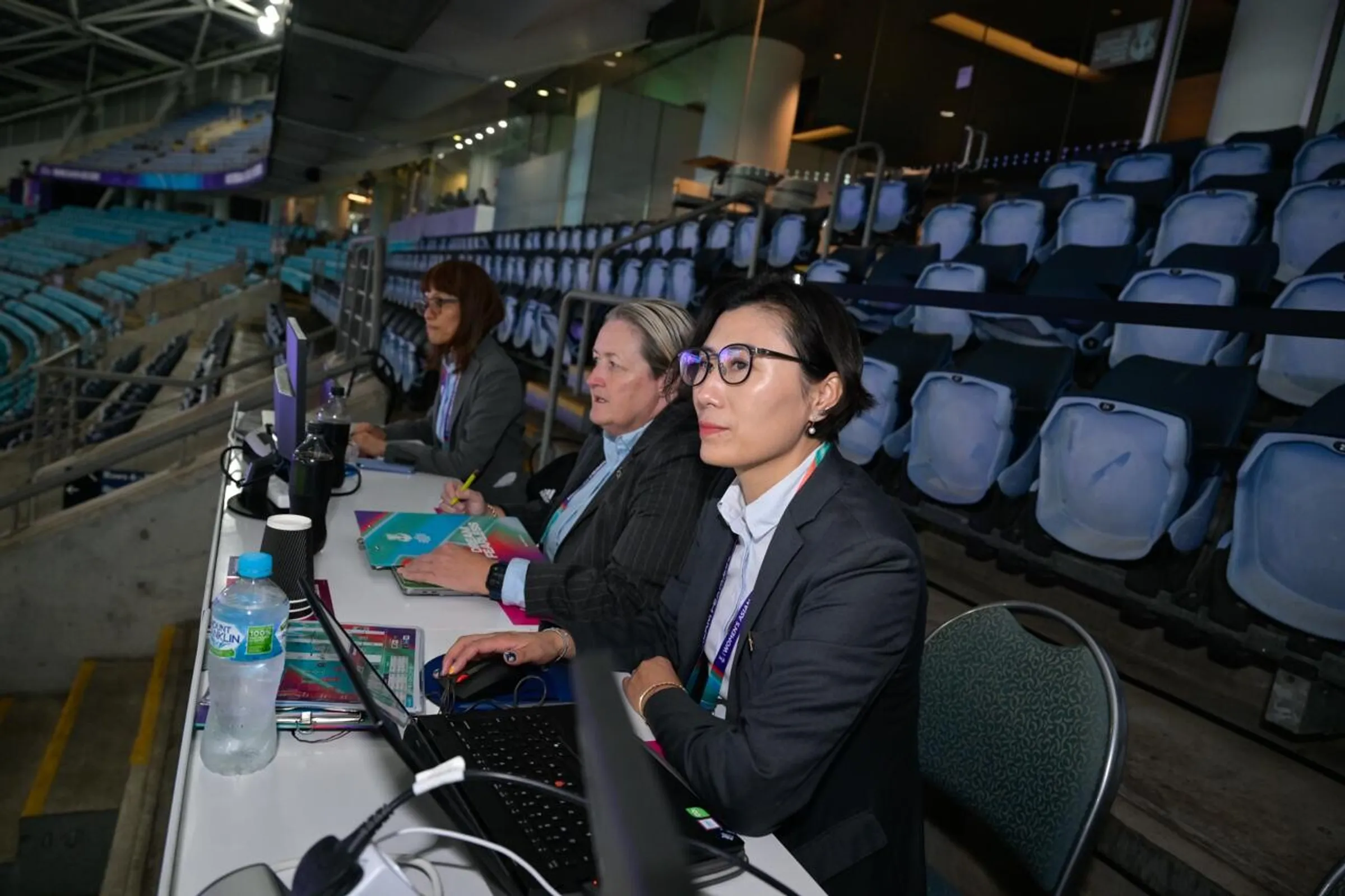
The TOT was formerly known as the ‘TSG, or Technical Study Group’. Firstly, our role is to compile a document that records for all posterity the progression of the teams throughout the tournament and a narrative about the football that was played beyond just the statistics of scores and match results.
The TOT are all experienced international coaches who analyse each of the matches, reflect on how each team plays, their tactics and strategies, and discuss certain trends that players and teams may have employed throughout the tournament.
So, it’s basically putting a large technical lens over the players and the games from the tournament and recording our observations and insights to share our knowledge from a technical perspective across Asia for ongoing education purposes.
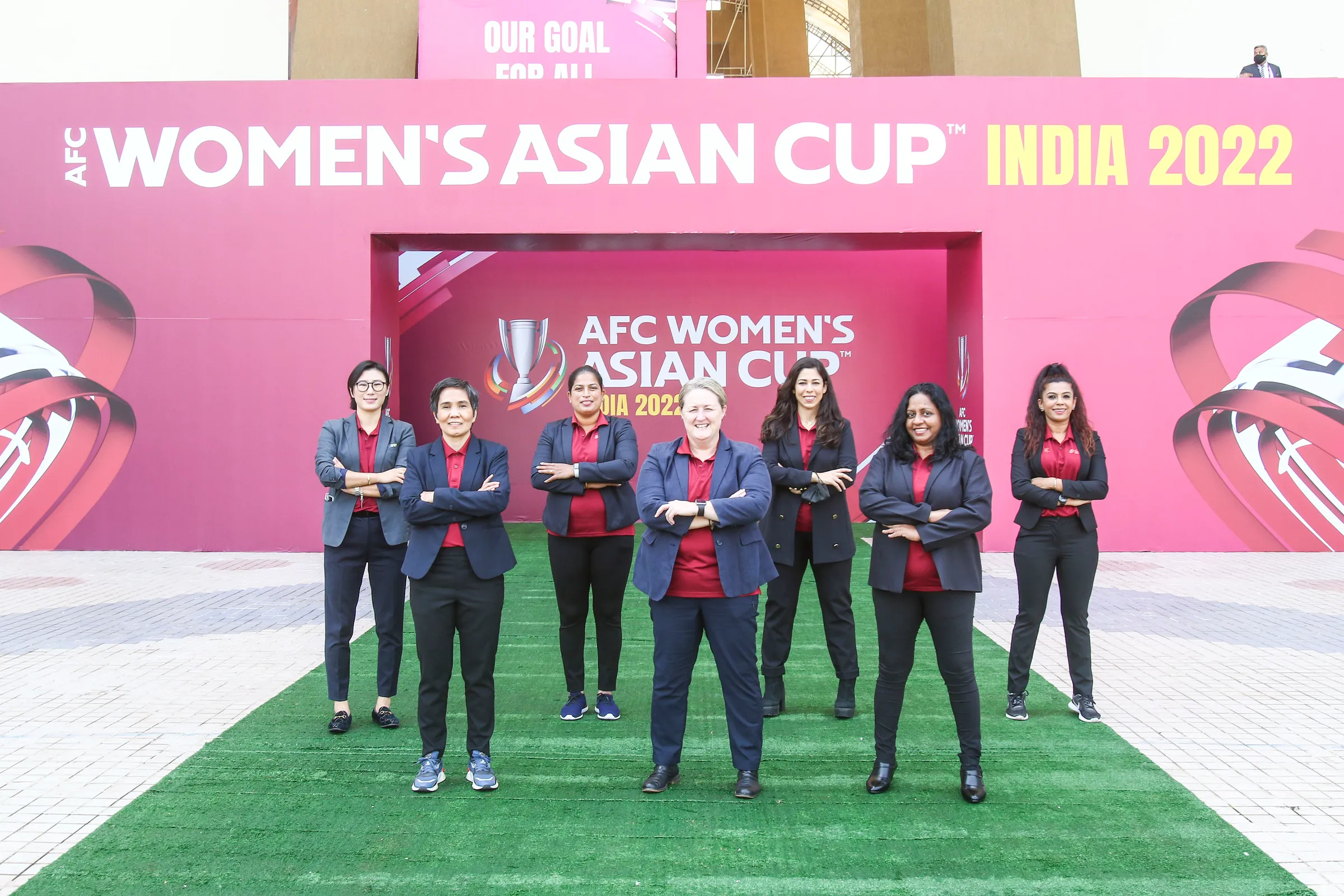
You were part of the TOT at the 2022 edition. From a technical perspective, how have you seen the women’s game in Asia evolve since then?
We have seen an improvement in the quality of the developing teams, and it is evident that the gap is closing between them and the more traditional powerhouses of women’s football across the Continent.
The technical ability has risen considerably, and those improvements have allowed teams to employ a variety of tactics in both attack and defence to suit their playing philosophy and their teams’ strengths.
It has also provided teams with the ability to be flexible and change tactically within matches to manage results, which is only possible if the players are technically proficient enough to carry out the team tactics.
In terms of tactics, intensity and organisation, what improvements have stood out the most in this tournament?
The competition format has meant that goal difference was always going to play a significant role in countries progressing out of the group stage and increasing their hopes of FIFA Women’s World Cup 2027 qualification.
This has meant that some teams have employed a concentrated defensive approach throughout the group stage, especially for those teams that played against the traditional powerhouses.
It is apparent that they have prioritised their defensive organisation to progress through the tournament, and this has been a very effective tactic for them.
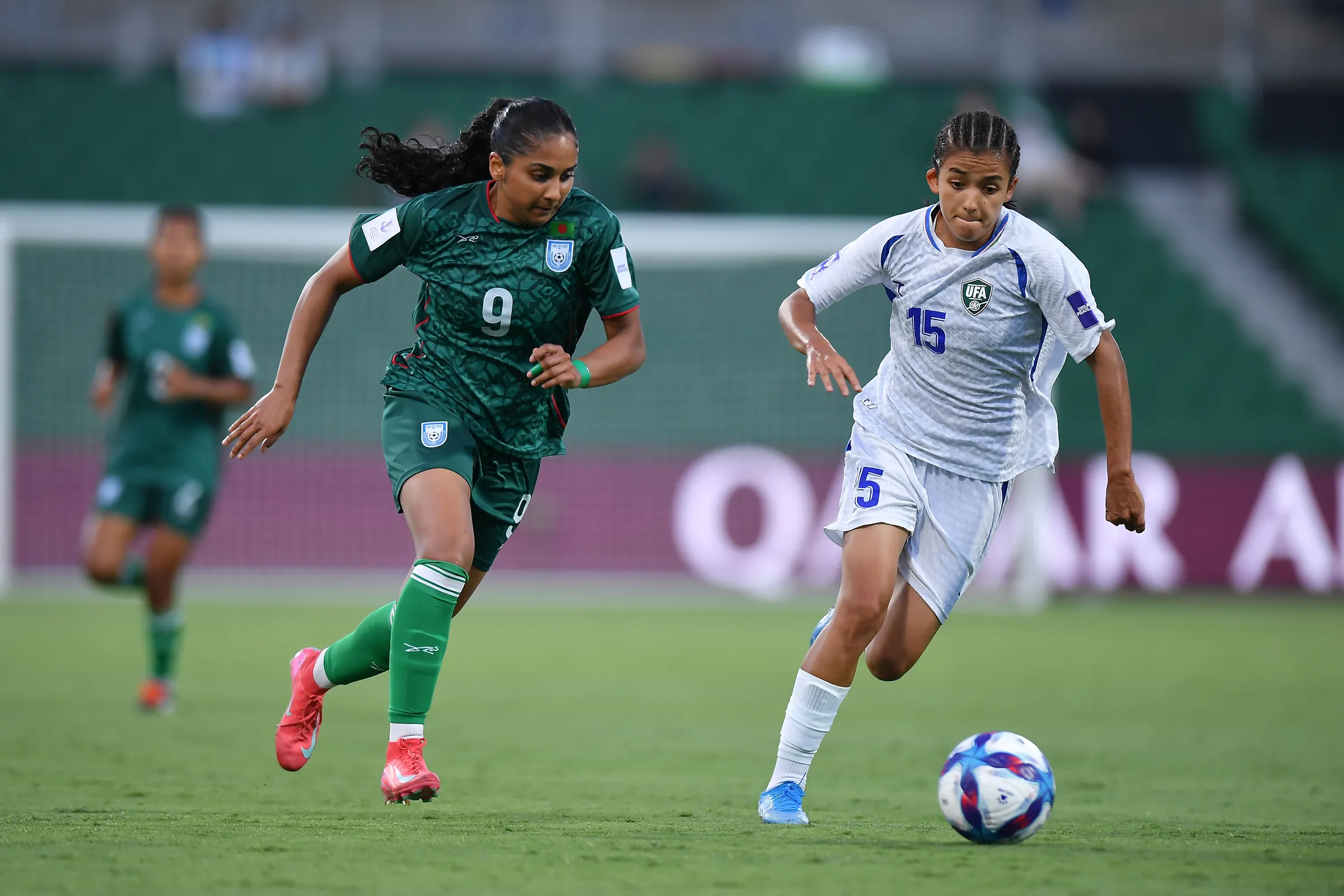
Numerous teams have also displayed their tactical flexibility between games and within games and that has required a shift in the intensity of their play. For example, we have witnessed several teams employ high pressing as a tactic to win possession higher up the field to create goalscoring opportunities.
This is especially difficult to do in very hot and humid conditions, and yet, teams have shown a willingness to do this and substitute players accordingly to continue to carry out their team tactics.
When analysing matches at this level, are you noticing more diversity in playing styles among the teams compared to previous editions?
Yes, we’ve definitely seen a variety of playing styles on display. From those teams who want to dominate possession and territory and be patient and structured in their build-up to teams who use explosive counterattacking forays into the opponent’s half, looking to exploit space and positional errors by their opponents.
We’ve also seen teams that have sat in a very deep, compact defensive block, looking to concede as few goals as possible and not looking to maintain possession but to drive the ball downfield as far as possible away from their goals.
As someone involved at the technical level of the tournament, how encouraging is it to see more women contributing not just as players, but also as coaches, analysts and technical experts?
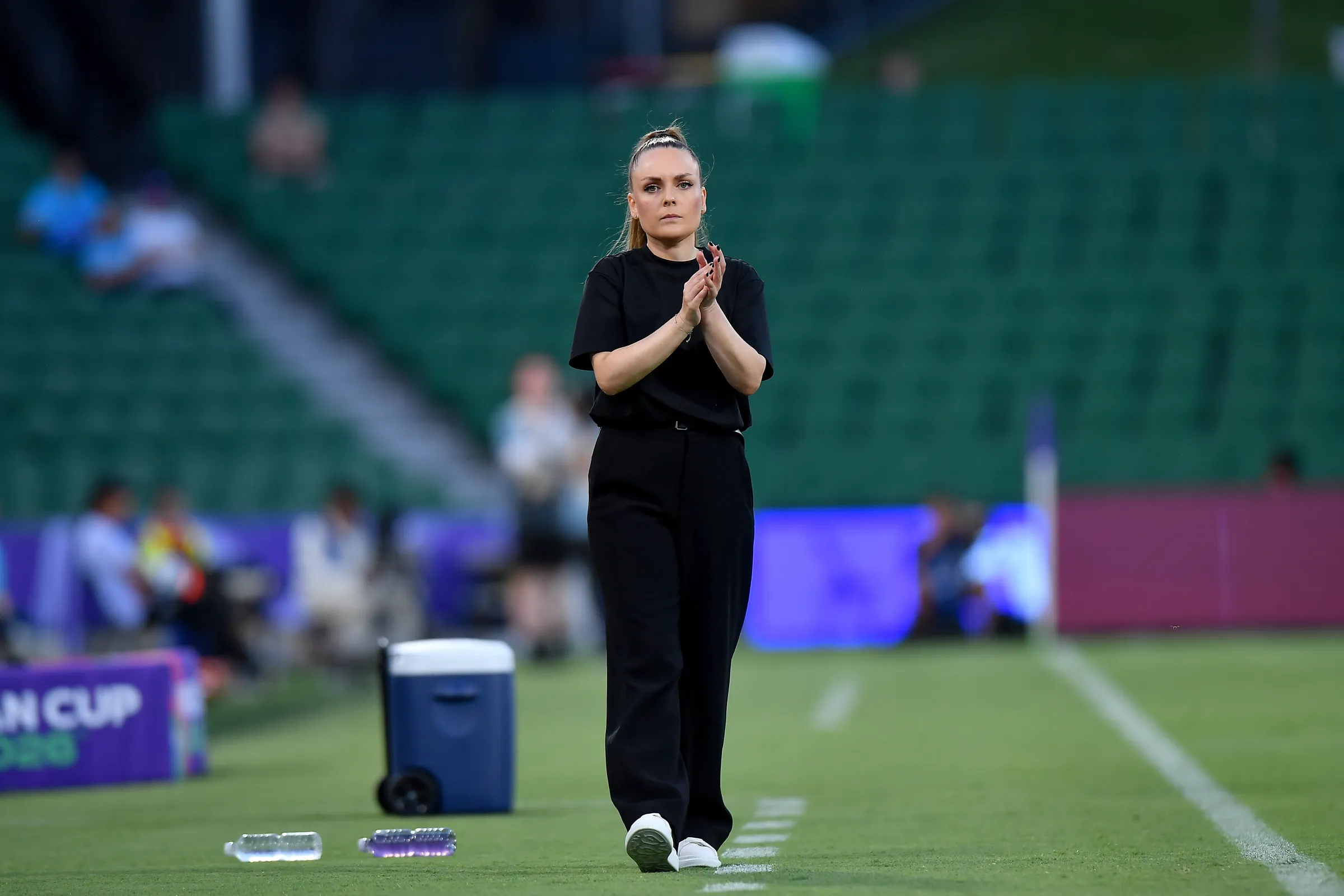
While there are still only three female head coaches in the tournament, we have seen more assistant coaches and analysts attached to the different teams than in previous editions.
It’s pleasing to see more women in these technical roles, and with the emergence of more female coaches across Asia completing their AFC Pro Diplomas, long may this improvement continue, and hopefully the next edition of the tournament will see a further increase in women’s participation.
From your observations so far, what does the overall level of competition at this tournament say about the development of women’s football across Asia?
It is fair to say that it continues to improve; there’s no doubt about that. From the emergence of young players playing in their first senior tournament to a generation of players who have led the charge across the Continent in their respective countries for over a decade, it is evident that player development continues to raise the standard and competitiveness of matches across the competition to date.
It is also evident that the depth of the respective squads has improved, where players who come off the bench are at the level of those they’re replacing and are able to provide substantial impact. Again, this is a result of targeted initiatives to develop through the respective player pathways in these countries.
With the complexities involved in playing the sport at the highest levels, you need investment and know-how to develop young players and support them as they transition into senior football. Of course, this is not the time to say that the job is finished; there must be continued investment to allow the next generations to be even better than this one.
As an experienced coach, how does your background influence the way you analyse matches as part of the TOT?
Having had the opportunity to coach players at both the youth and the senior level, I’m able to apply that long-term player development lens across the teams and see and appreciate the decisions coaches are making in actively giving young players opportunities in the arena to express themselves and to learn from their experiences.
Having that experience of playing against so many of these teams before, I can see the clear playing styles that countries have implemented across their player pathways, and seeing that come to life with players transitioning from youth to senior football being successful.
From a coach’s perspective, how different is it to observe matches from the analytical viewpoint of the TOT rather than from the touchline?
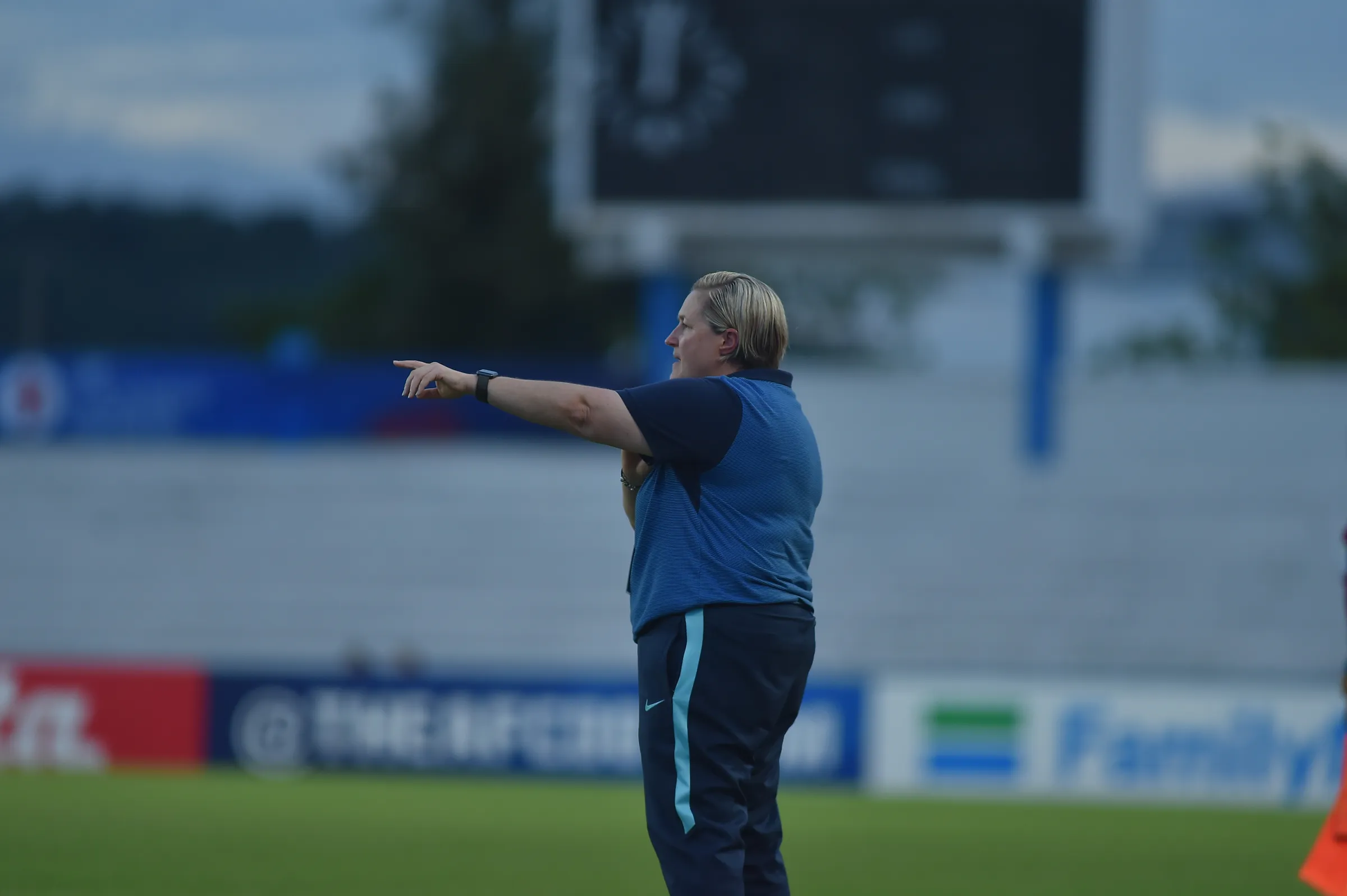
The most obvious difference is that you are a further step removed from the emotions of the game and, more importantly, the outcome or the result of the match.
So, when you are looking at it from a neutral, analytical perspective, through a tactical and technical lens, you can process your observations of different football actions and their outcomes without that emotion perhaps clouding your judgement on various aspects.
It’s the analogy around “the balcony and the dancefloor” ... when you are on the ‘dance floor’, you are deep in the fast-paced, high-energy environment where decision making is constantly performed on the run, whereas when you watch from the ‘balcony’, you can step back and see the bigger picture and get a more strategic perspective of what’s really going on.
Has being part of the Technical Observers Team also given you new perspectives that you can take back into coaching?
One thing for certain in football is that the game is constantly evolving, and that means you need to constantly adapt and evolve with it. The way you approach certain aspects of the game, as someone who is continuously looking to develop my craft, I am a lifelong learner, and the game of football never stops teaching. So, every opportunity that we have had together as the TOT to discuss players, the modern trends of the game, tactics, and all elements of football has meant an opportunity to develop ourselves and challenge our thinking as coaches.
