
Olympic Games
Ahead of what promises to be an enthralling competition, the-AFC.com takes a look back at how the continent's teams have fared at previous editions of the Summer Games.
The Early Years
Despite football being contested at the Olympics since the second edition in 1900, Asian teams only made their debut at Berlin 1936 with China PR and Japan the continent's inaugural representatives.
Japan got off to an impressive start as they came from 2-0 down to defeat Sweden 3-2 while China PR bowed out after a 2-0 loss to Great Britain. Japan's campaign, however, was ended in the quarter-finals by a rampant Italy, who cruised to an 8-0 win.
Asia had four representatives at the 1948 London Olympics - Afghanistan, China PR, India and Korea Republic.
Afghanistan exited at the preliminary stage after a 6-0 defeat to Afghanistan while China PR and India were eliminated in the first round after defeats to Turkey and France respectively.
Korea Republic advanced to the quarter-finals after a thrilling 5-3 defeat of Mexico but the East Asian side found eventual gold medallists Sweden too strong as they succumbed to a 12-0 defeat.
India were Asia's only flagbearers at the Helsinki Games four years later but it was a journey that was cut short following a 10-1 defeat to Yugoslavia, who went on to win the silver medal behind Hungary.
The Melbourne 1956 Games saw Thailand make their debut, only to suffer a quick exit following a 9-0 defeat to Great Britain in the first round.
Australia, who were not part of the Asian Football Confederation then, defeated Japan 2-0 but found India too strong in the quarter-finals as the South Asian side won 4-2 to become the first side from the continent to make the Olympic semi-finals.
A gritty Indonesia held the Soviet Union to a goalless draw but the European side turned on the power in the replay to cruise to a 4-0 win.
India's dream of playing in the final was dashed by Yugoslavia, who sailed to a 4-1 win in their semi-final and hopes of a medal were ended by Bulgaria, who took the bronze after a 3-0 win.
Japan win continent's first medal
The group stage was introduced for the first time in the 1960 Rome Games with the 16 teams divided into four groups with Chinese Taipei and India representing the continent with both failing to advance after suffering three defeats each.
Islamic Republic of Iran made their Games debut four years later in Tokyo, with the Central Asian side exiting the tournament with a point.
Korea Republic also made an early departure after three defeats in Group C while hosts Japan advanced to the quarter-finals following a second place finish in Group D.
Japan's reward was a last eight face off with Czechoslovakia but there was to be no semi-final joy as the Europeans strolled to a 4-0 win before eventually taking the silver medal.
The heartbreak of four years earlier was forgotten in sensational style at the Mexico '68 Games as Japan became the first Asian team to win a medal at the Olympics.
An undefeated group stage campaign saw Japan finish second behind Spain while three losses meant a group stage exit for Thailand.
Paired in a tough-looking Group B with Brazil, Spain and Nigeria, Japan’s tournament opener was against the West Africans and they could not have had a better start as Kunishige Kamamoto’s hat-trick in a 3-1 win transformed the atmosphere in the camp and the team began to set their sights higher.
“Before we went, we hadn't been thinking about getting a medal or even thought, ‘We want to get a medal’, as we didn’t think we’d be able to win at that level,” said Kamamoto to the-AFC.com in a 2017 interview.
“We thought maybe if we could get out of the group and into the quarter-final, the same as at the Tokyo Olympics [four years earlier], that would be okay.”
Draws with Brazil and Spain meant quarter-final qualification for the second straight edition and next up for the Samurai Blue were France, with Kamamoto netting twice before Masashi Watanabe added another in a 3-1 victory in Mexico City as Japan’s amazing run continued into the last four and a date with reigning champions Hungary.
Despite still being very much in the game at 1-0 down at half-time, four second half goals saw Hungary cruise into the final – where they claimed their second consecutive gold medal – leaving Japan licking their wounds and facing hosts Mexico in the third place playoff.
Official records suggest there were over 100,000 fans in the Azteca Stadium for the Mexico clash, although Kamamoto dismissed such claims, believing it was more like 80,000.
That still wasn’t a bad crowd for the part-time players from Japan, though, and it was the biggest prize Kamamoto ever managed to win, putting Japan 2-0 up with a first-half brace.
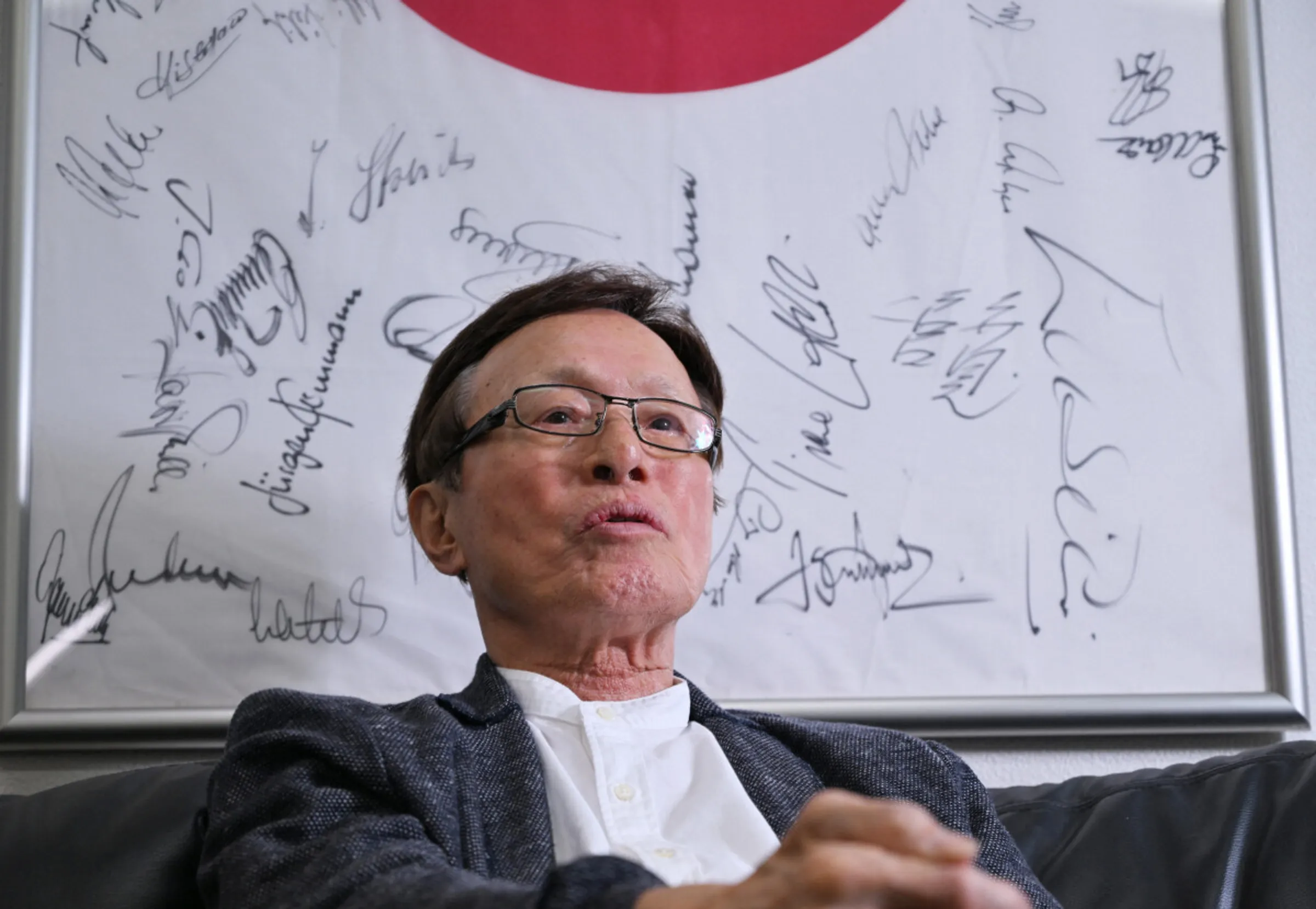
“Towards the end of the second half, with around 10 minutes to go, Mexico missed a big chance and everyone started chanting, ‘Japan! Japan!’” he said.
“In those days there was only one ball (used), so when you were under pressure you could kick it high up into the stand.
“When we did that, the fans would throw it back as quickly as possible, but at that point they stopped and started playing volleyball with it, as if to say, ‘the game’s over already’.”
And it was. Japan had achieved the unthinkable, winning bronze against the hosts – and all odds – with Kamamoto crowned as top scorer, with seven goals.
Medal elusive
Malaysia and Myanmar were the new Asian debutants in 1972, joining Iran at the Munich Games.
Both debutants registered a win each but it was not enough for a place in the quarter-finals while Iran also exited at the group stage despite sensationally defeating Brazil 1-0.
Reigning AFC Asian Cup champions Iran were back again four years later, with DPR Korea the other side from the continent at the Montreal Games and both advanced to the knockout stage.
Iran finished second behind Poland in Group B while DPR Korea finished runners-up behind the Soviet Union in Group D.
Their respective campaigns, however, ended in the quarter-finals with Iran being edged by eventual bronze medallists Soviet Union while DPR Korea suffered a 5-0 defeat to Poland.
Iraq and Kuwait advanced to the quarter-finals of the 1980 Moscow Games, with Syria making a group stage exit after managing just a point from their three matches.
The journeys of Iraq and Kuwait, however, ended in the quarter-finals after defeats to East Germany and Soviet Union respectively.
The Los Angeles Games four years later brought no joy as all three Asian sides - Iraq, Qatar and Saudi Arabia - exited the tournament at the group stage.
History repeated itself at the 1988 Seoul Games with China PR, Iraq and Korea Republic eliminated at the first hurdle.
Qatar broke the streak four years later in Barcelona, advancing to the quarter-finals but it was early exits for Iraq and Korea Republic.
Qatar, however, found Poland too strong in the quarter-finals, falling to a 2-0 defeat.
Asian sides found the going tough at the 1996 Atlanta Games with Saudi Arabia, Korea Republic and Japan falling in the group stage.
New beginning
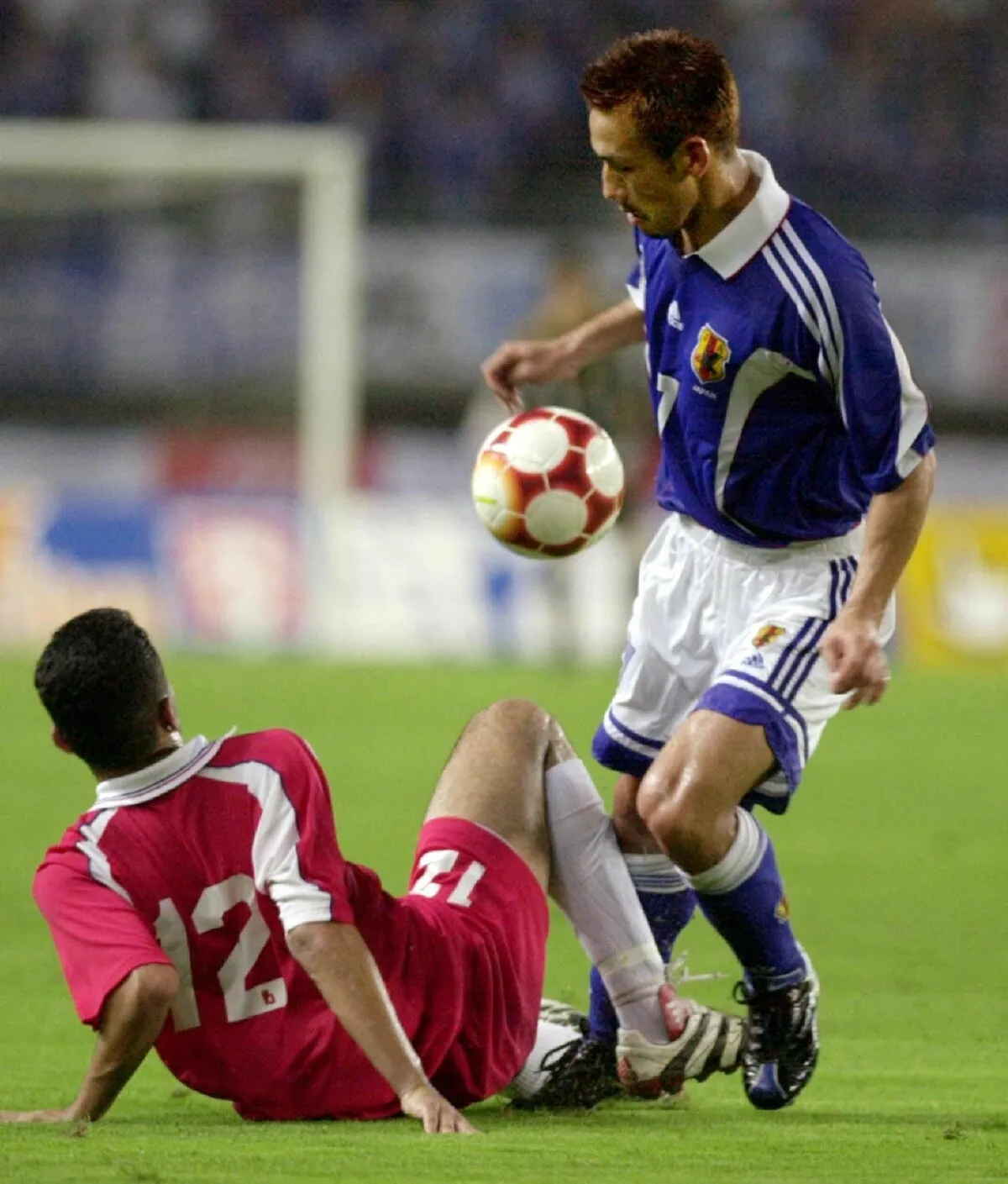
Japan, powered by a new generation of players, advanced to the quarter-finals of the 2000 Sydney Olympics after finishing second behind Brazil in Group D.
Korea Republic's run of group stage elimination, however continued with Kuwait also failing to advance.
Penalty heartbreak, however, awaited Japan in the quarter-finals with Hidetoshi Nakata missing his side's fourth spot-kick as the United States advanced with a 5-4 win following a 2-2 draw at the end of 120 minutes.
There was joy for Korea Republic and Iraq four years later, with both sides qualifying for the knockout stage while Japan were shown an early exit.
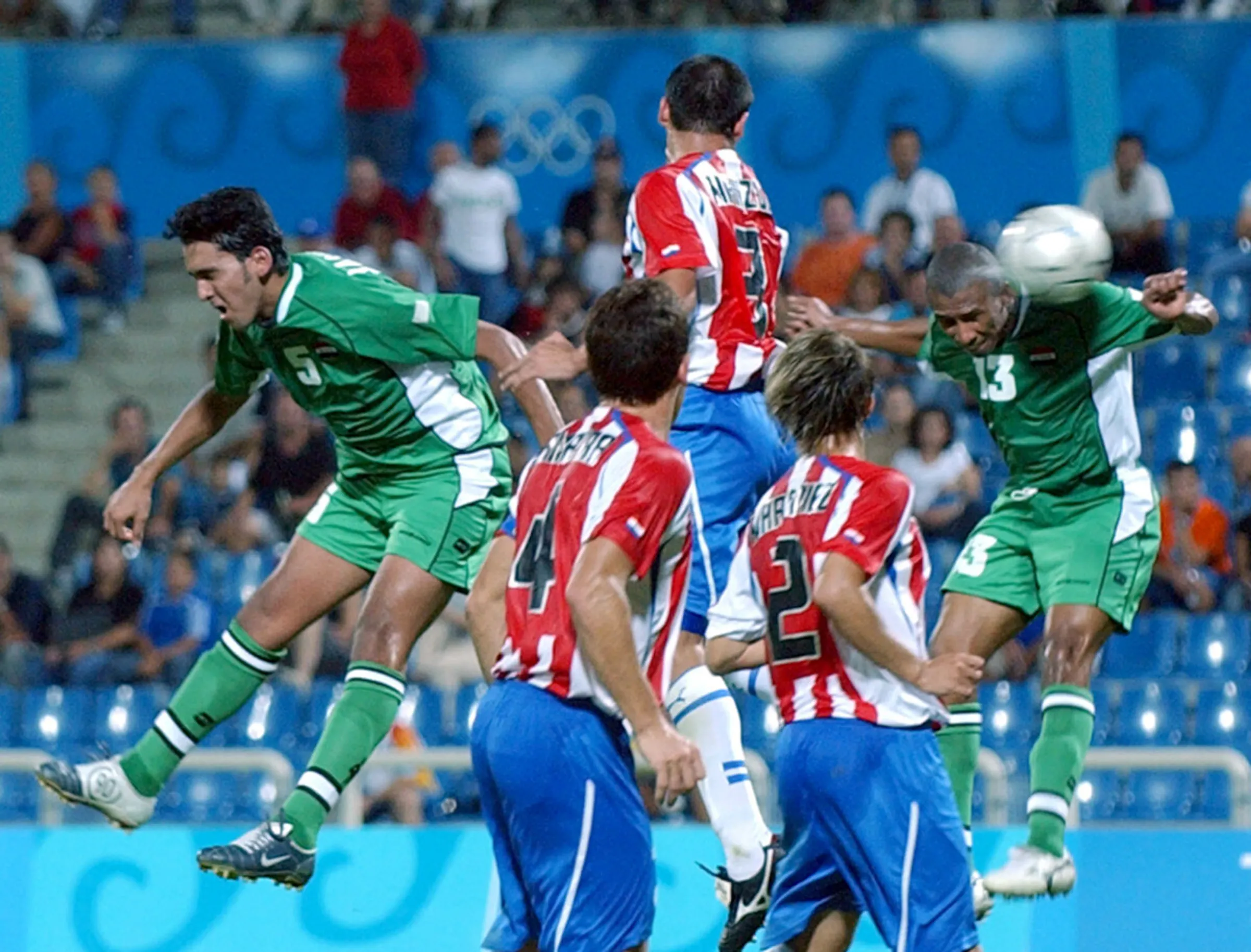
Korea Republic ended their run of group stage exits after finishing second in Group A while Iraq were even more impressive, topping Group D ahead of Costa Rica, Morocco and Portugal.
Korea Republic's dream was ended by Paraguay, with the South American side taking a 3-0 lead before the Asians fought back with two goals.
Emad Mohammed Ridha was Iraq's hero as his 64th minute strike took the West Asian side into a semi-final against Paraguay.
Victory eluded the West Asians, with Paraguay cruising to a 3-1 win while Italy dashed Iraq's hopes of becoming just the second Asian team to win a medal, with the Europeans edging the bronze medal playoff 1-0.
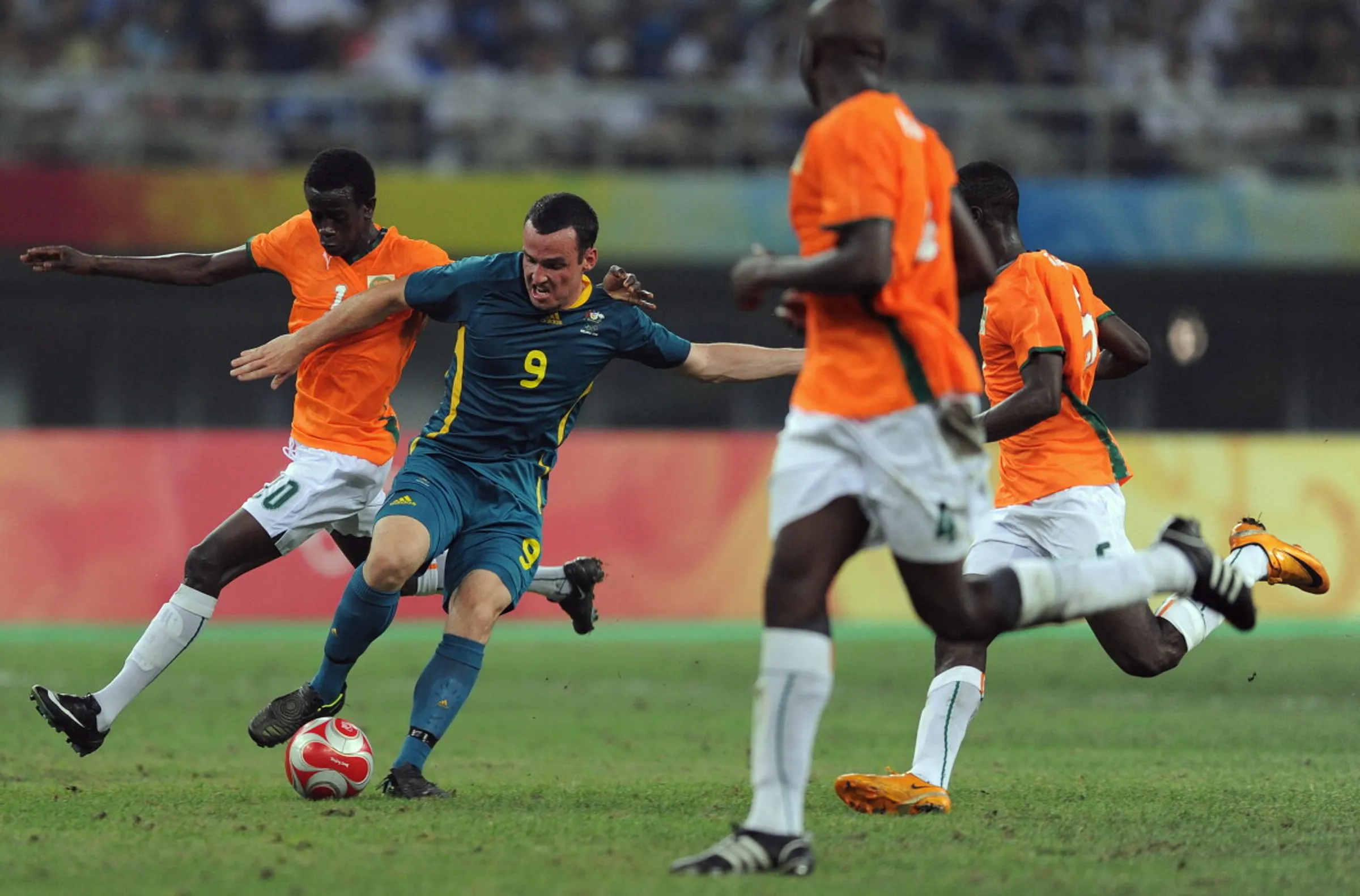
Australia made their debut as an AFC Member Association in Beijing 2008 but all four Asian teams made early exits.
Australia finished third in Group A, Japan fourth in Group B, China PR third in Group C and Korea Republic third in Group D.
Medal joy for Korea Republic
Having featured in the Olympic Games men's football tournament since 1988, the best Korea Republic had achieved was quarter-final finishes and the East Asian side were desperate to correct as were Japan, who had not come close to a medal since winning bronze in the 1968 edition.
United Arab Emirates were the third Asian team at the London 20212 Games, with the West Asian side exiting the competition after the group stage.
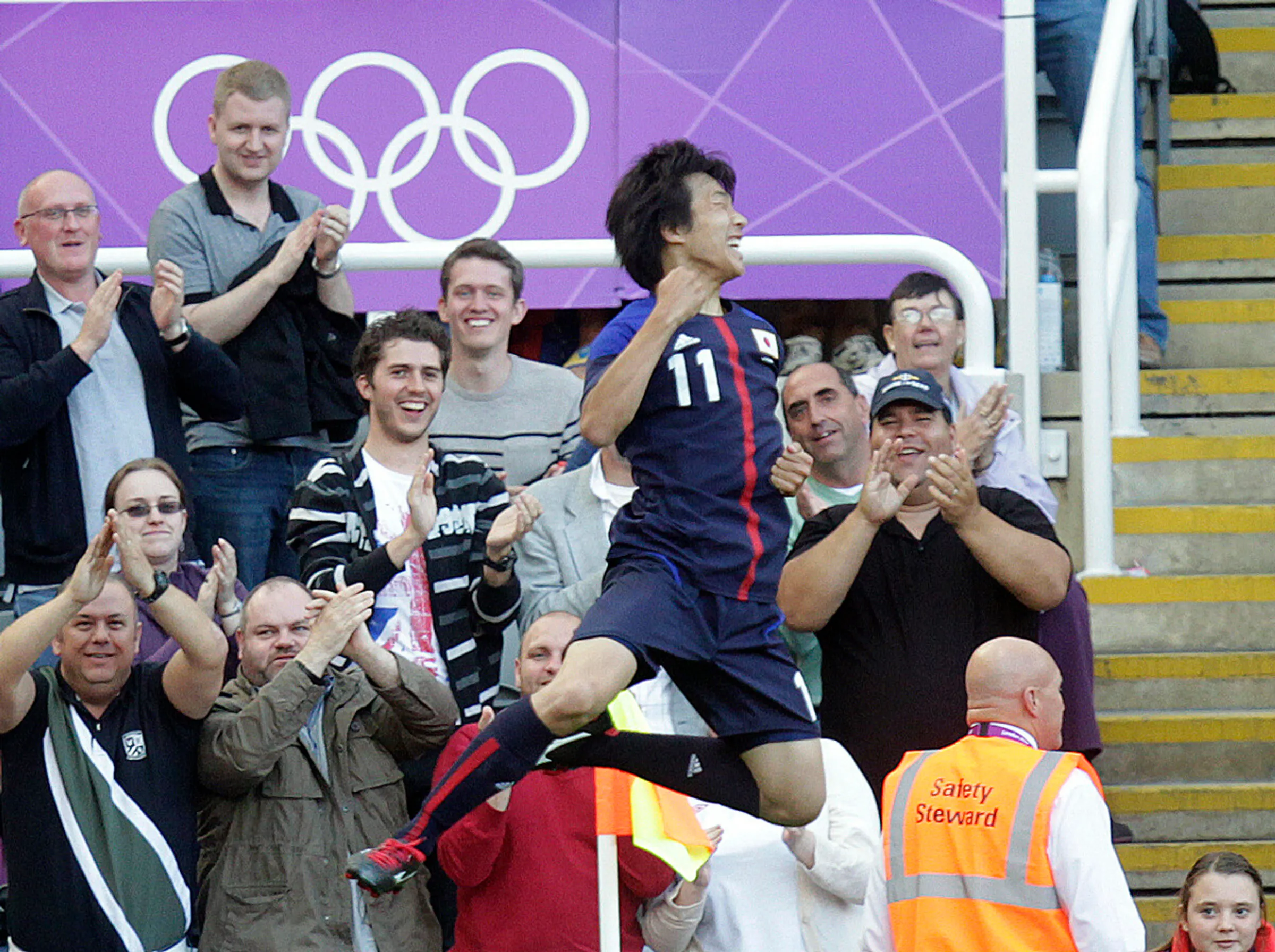
Japan took the competition by storm, topping Group D with seven points while Korea Republic advanced as the second-placed side from Group B.
Japan's reward was a last eight tie against Egypt, with goals from Kensuke Nagai, Maya Yoshida and Yuki Otsu securing them an easy 3-0 win.
Korea Republic enjoyed a dream start against Great Britain in their quarter-final, with Ji Dong-won giving them the lead in the 29th minute.
A 36th minute Aaron Ramsey penalty, however, drew the hosts level with neither side able to find a breakthrough despite extra-time.
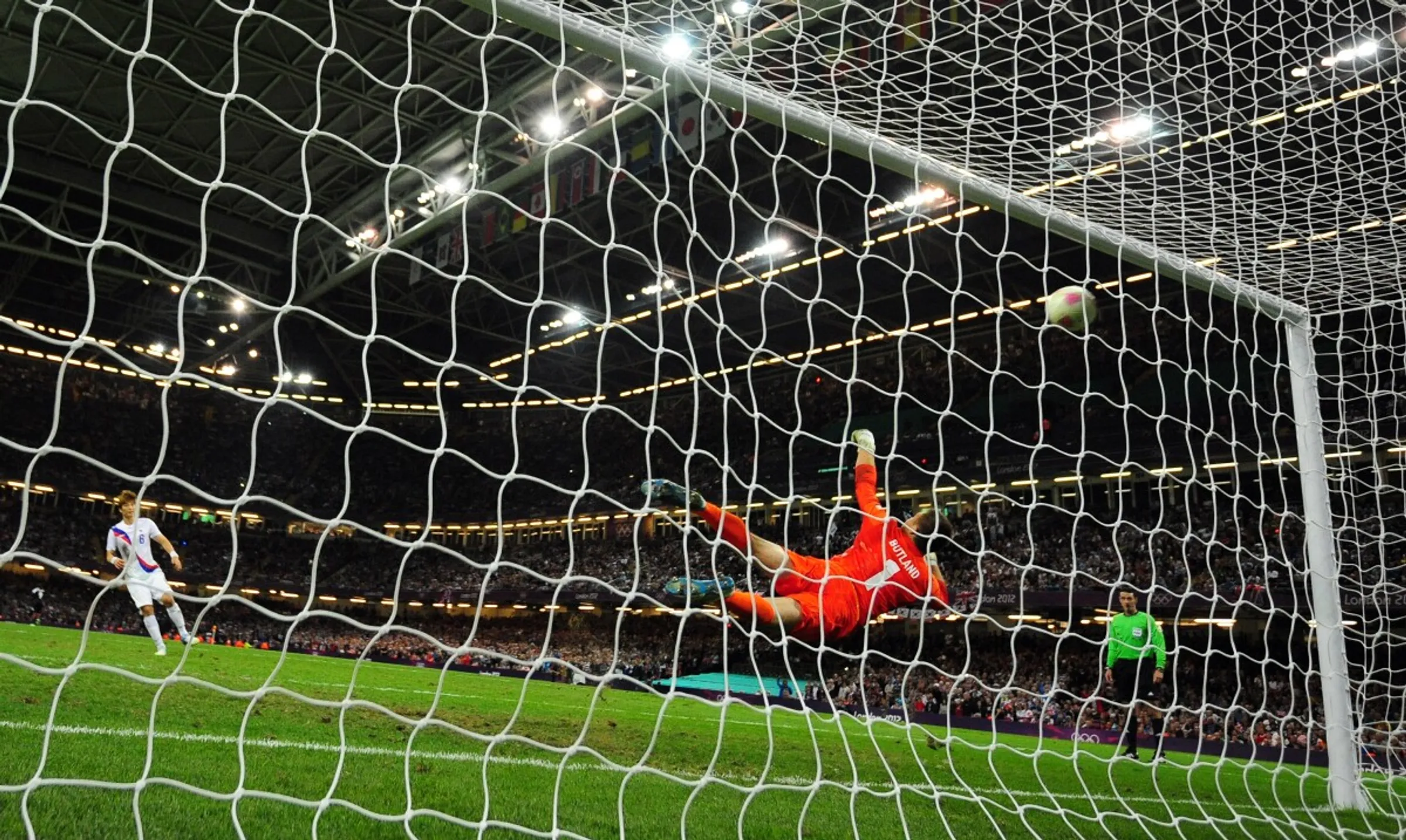
Both teams scored in their first four spot-kicks in the shootout but the tide turned in Korea Republic's favour when Daniel Sturridge's effort was saved with Ki Sung-yueng then stepping up to convert and take Korea Republic through.
Both Asian sides had to concede defeat in the semi-finals, with Japan defeated 3-1 by eventual gold medallists Mexico while Brazil sailed 3-0 past Korea Republic.
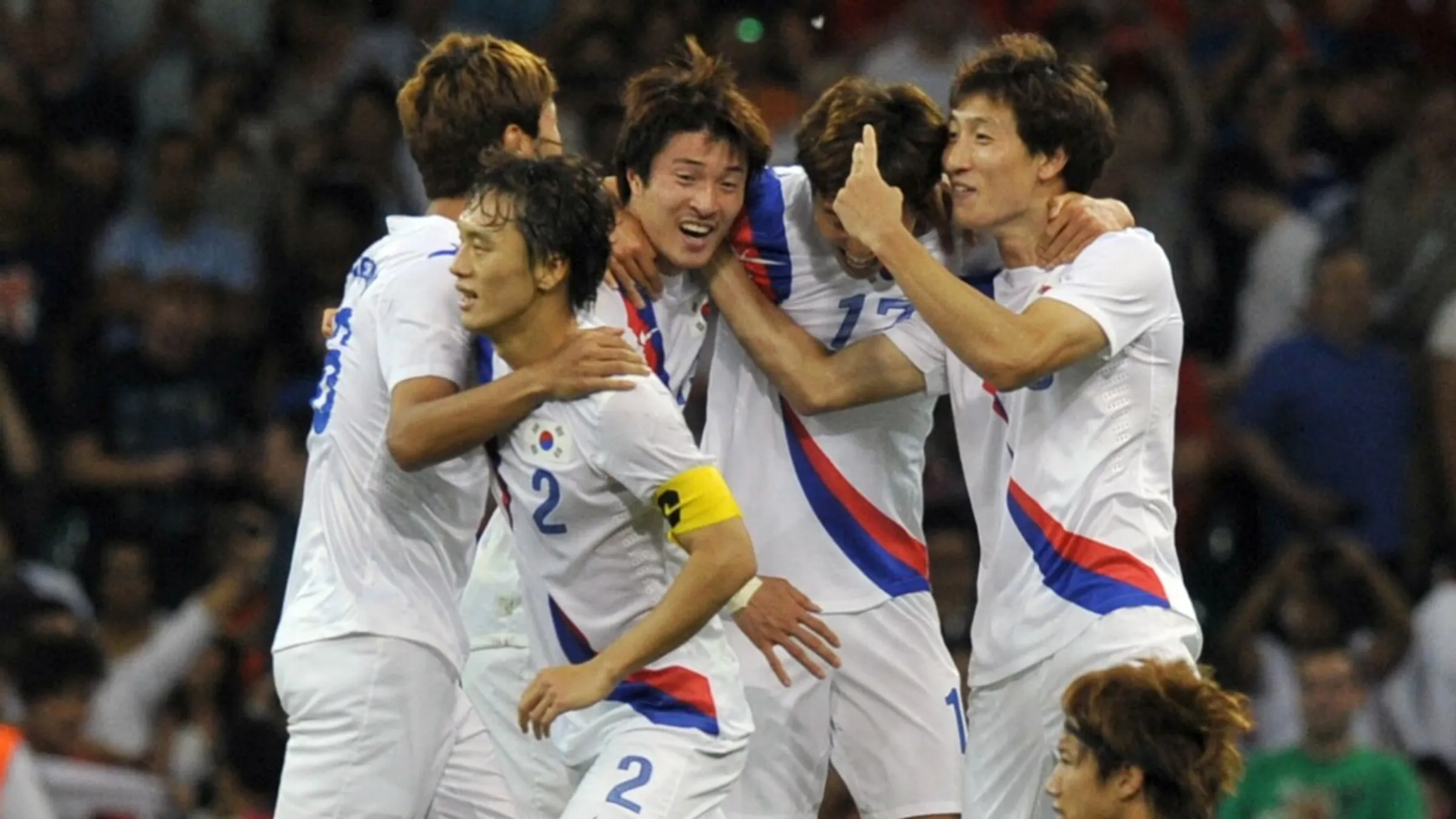
That set the stage for an-all Asian affair in the bronze medal playoff at the Millennium Stadium in Cardiff, with Korea Republic quick to assume control.
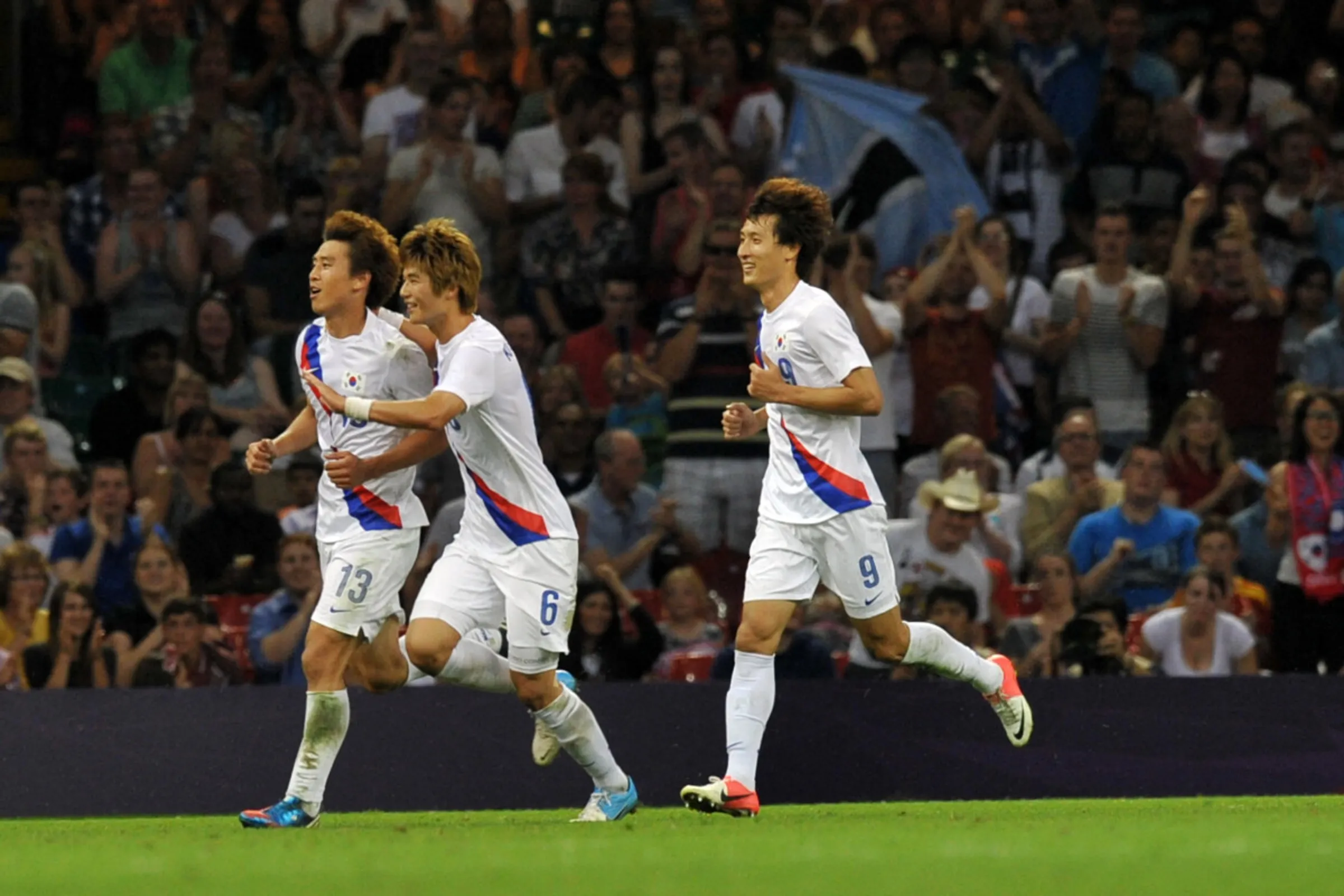
Their early aggression paid off, with Park Chu-young putting them ahead in the 38th minute with Koo Ja-Cheol then assuring his side of a first ever men's football medal by netting the second in the 57th minute.
The final whistle was followed by exuberant celebrations with head coach Hong Myung-bo admitting it had been chaotic in the dressing room.
"It is a big disaster in the changing room," he said. "The players went crazy and threw everything about. I couldn't go inside and had to wait outside until the press conference began. It was just crazy."
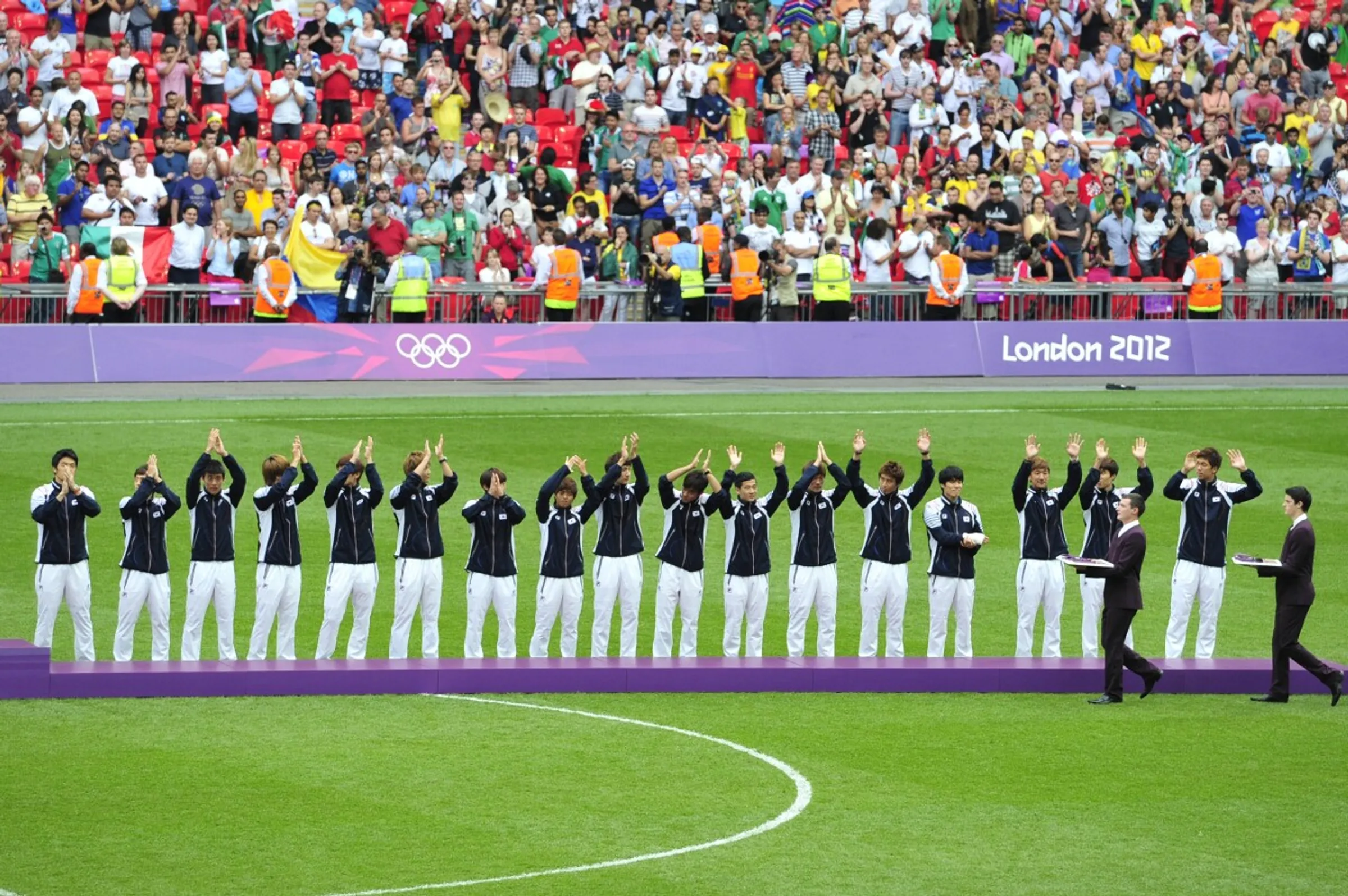
Captain Koo said then it was a proud moment for the squad.
"This is one of the most special moments for me and my team," said Koo.
"I'm very proud to be one of the first footballers to become medallists in Korean history."
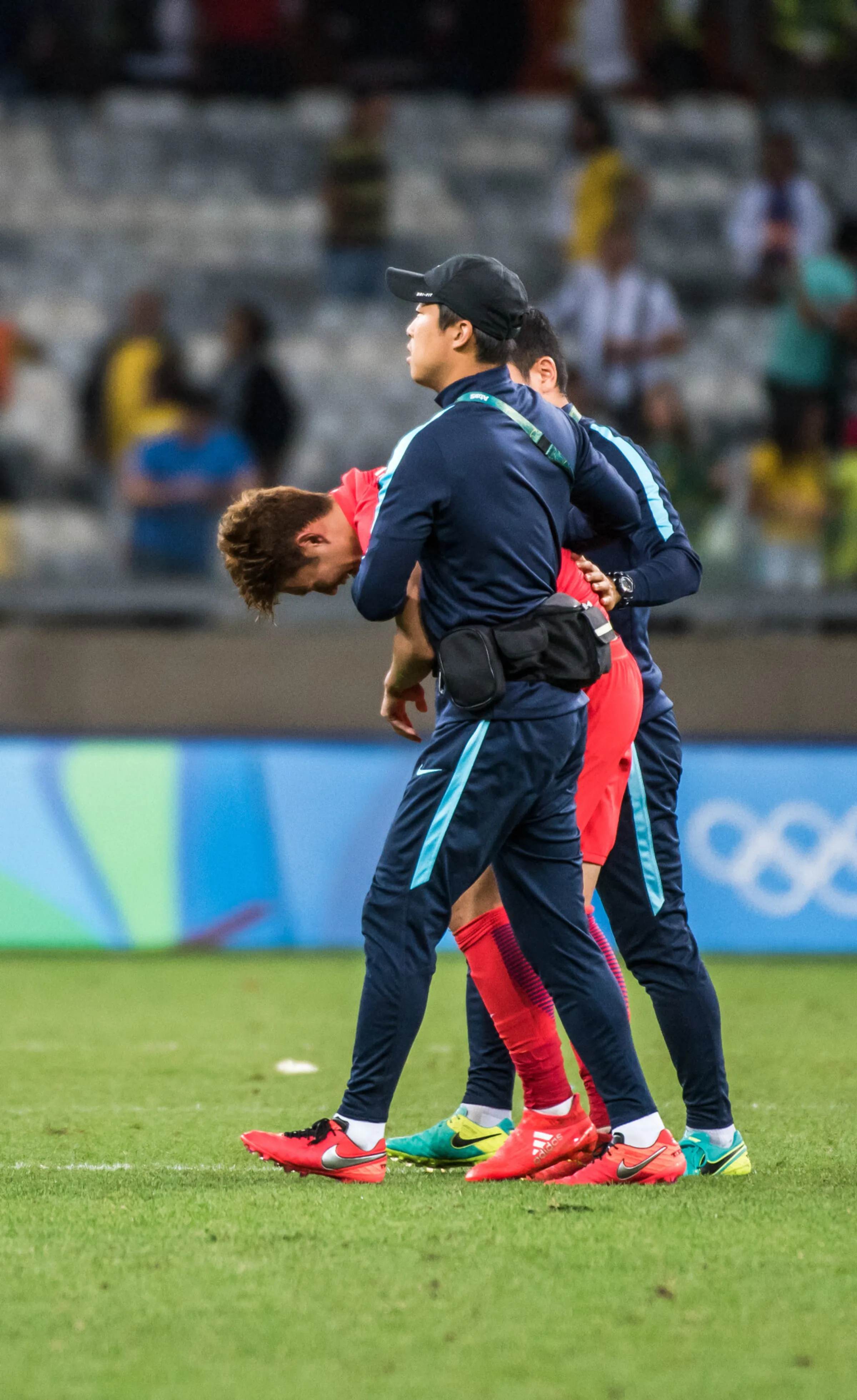
The 2012 exploits were followed by Korea Republic topping Group C in Rio de Janeiro four years later but a 1-0 defeat to Honduras ended their campaign in the quarter-finals.
Japan couldn't replicate their form of four years earlier, exiting at the group stage, as did Iraq.
The COVID-19 pandemic forced the 2020 Tokyo Games to be pushed by a year with Asia represented by Australia, Japan, Korea Republic and Saudi Arabia.
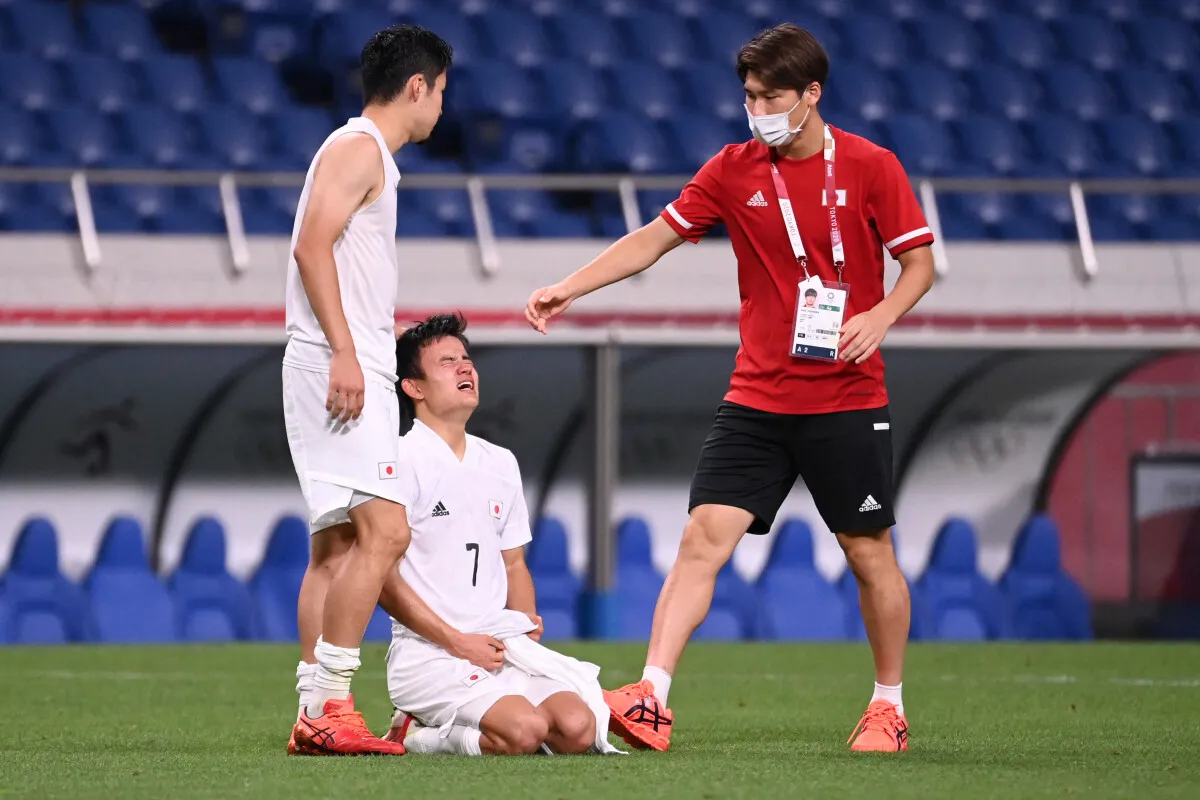
Australia and Saudi Arabia were eliminated at the first hurdle but Japan and Korea Republic cruised to the top spot in their respective groups.
Korea Republic's hopes of a second medal were ended by Mexico in the quarter-finals while Japan edged New Zealand on penalties to set up a semi-final against Spain.
The Spaniards needed extra-time to see off the spirited Japanese 1-0 and more heartbreak was to follow as Mexico turned on the power to win the bronze medal playoff 3-1.
Photos: AFP
