


AFC Asian Cup
While Qatar's fabulous triumph in the UAE 2019 edition is still fresh in the minds of fans, the AFC Asian Cup has never failed to thrill in all the previous editions.
Join the-AFC.com as we take a trip down memory lane ahead of the draw for the 18th edition of the continental showpiece.
The Early Years
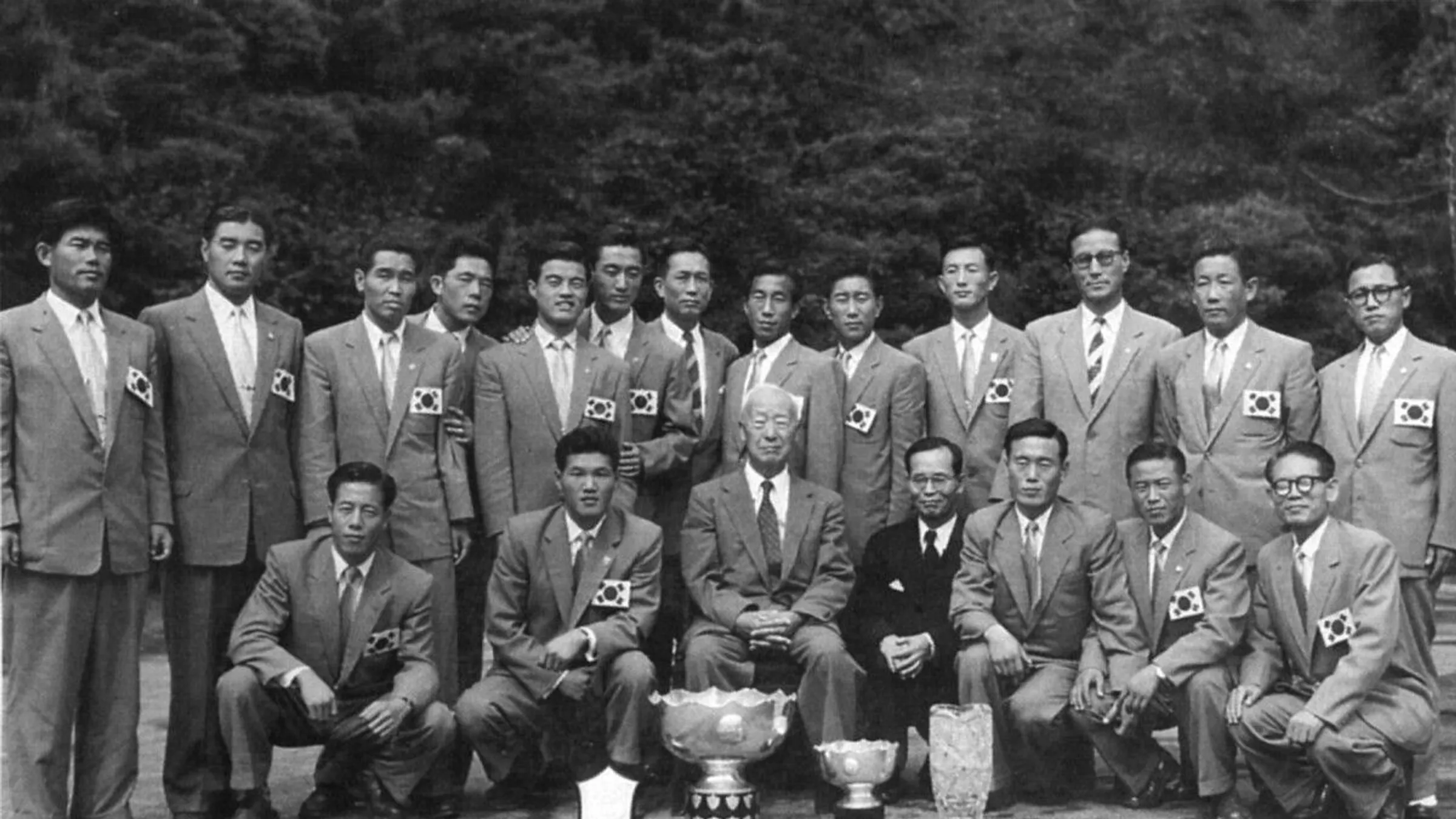
While 24 teams will vie for the Qatar 2023 title, only four - Israel, Korea Republic, South Vietnam and hosts Hong Kong - contested in the Finals of the inaugural edition in 1956.
Having had to defeat Chinese Taipei in a qualifier to advance, Korea Republic only arrived in Hong Kong on the day the tournament kicked off.

That didn't stop them from taking the tournament by storm as they fought back from two goals down to salvage a point against Hong Kong in their opening match.
That was followed by a 2-1 win over Israel and a subsequent 5-3 defeat of South Vietnam meant Korea Republic were the first AFC Asian Cup champions.
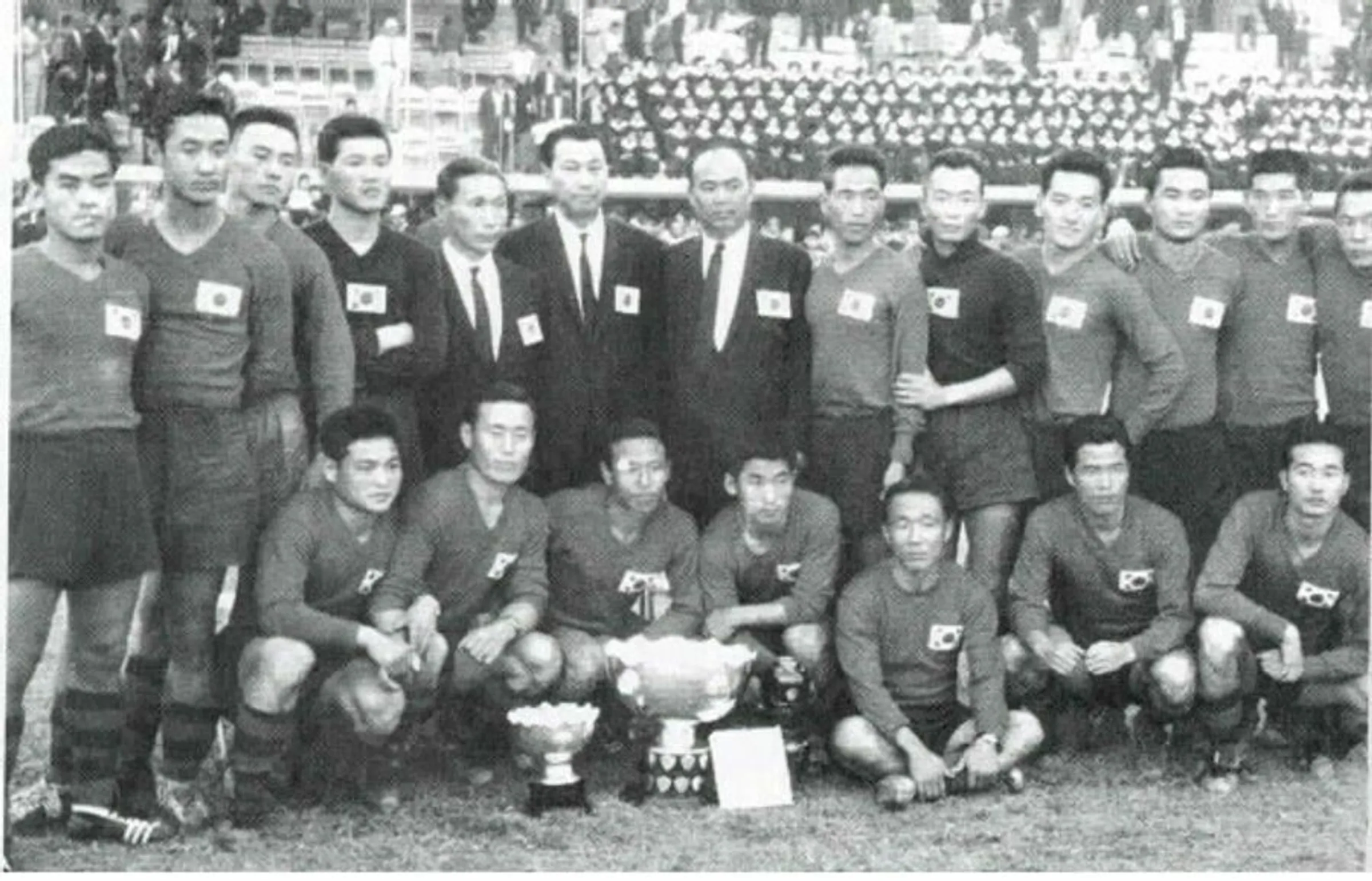
Four years later and on home soil, the Koreans would repeat the feat, this time with a hat-trick of wins to once again finish ahead of Israel with Chinese Taipei in third place and South Vietnam finishing fourth.
Back-to-back AFC Asian Cup wins marked a remarkable start to Korea’s involvement in the tournament. Incredibly, the country has yet to win the title since and by 1964 the balance of power within Asian football had shifted markedly from east to west.
A New Era
After back-to-back runners-up finishes, persistence paid off as Israel added a new name to the AFC Asian Cup trophy as they claimed the title in front of their own fans when they hosted the third edition of the continental championship.
Israel defeated reigning Asian Games champions India 1-0 in their opener and that set the tone for the host nation and with further victories over Hong Kong and the Koreans, Israel claimed the title with India finishing second and the Koreans down in third.

That was followed by a period of dominance as Islamic Republic of Iran took a firm grip on the tournament.
With the 1968 edition increased from four participants to five, Iran were joined by Israel, Myanmar, Hong Kong and Chinese Taipei in the Finals, with matches played in Tehran’s Amjadieh Stadium.
Iran’s love affair with the AFC Asian Cup began with a 2-0 win over Hong Kong, with both goals coming in the last 20 minutes, before another three victories ensured Mahmoud Bayati’s team claimed their first title with a perfect record of four wins out of four.
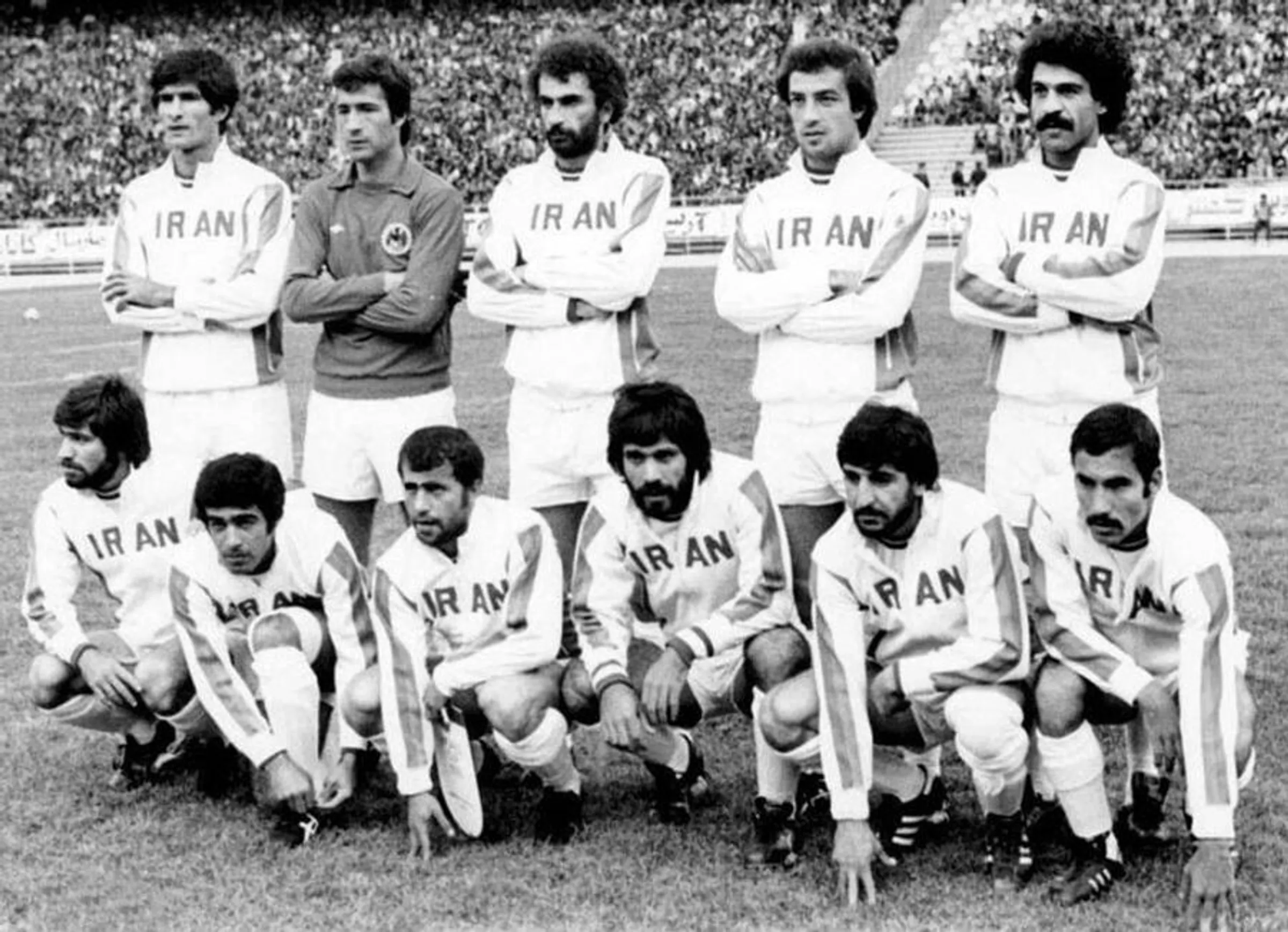
Four years later, Iran triumphed again. With the tournament increased to six nations, the format of the competition moved away from the round-robin set-up that had been used in the first four editions to group play followed by knockout rounds.
Iran topped their group ahead of Thailand and Iraq while two-time winners Korea Republic finished ahead of Cambodia and Kuwait in their group.
After Iran saw off Cambodia with a 2-1 win in the semi-final and the Koreans defeated Thailand on penalties, a showdown featuring two nations with three of the previous four AFC Asian Cup titles between them was set.
Ali Jabbari’s opener was cancelled out by Park Lee-chun to take the game into extra-time, where Hossein Kalani netted the winner in the second period to give Iran back-to-back continental titles.

Even better was to come four years later when, once again in Iran, Team Melli were to emerge victorious and, in the process, set a benchmark that has yet to be equalled.
Another six nations gathered in Tehran for the Finals and once again Iran advanced comfortably to the semi-finals, this time ahead of Iraq and South Yemen in Group B. Kuwait, a newcomer to the tournament, topped Group A with China PR taking second and Malaysia in third.
After Iran saw off the Chinese in extra-time and Kuwait required an additional 30 minutes to defeat Iraq, the holders took on the debutants in the final. An epic struggle played out in front of 100,000 fans at the Aryamehr Stadium – now known as the Azadi Stadium – before Iran eventually prevailed to claim a third straight AFC Asian Cup title.
West Asia takes charge
After Korea Republic and Islamic Republic of Iran notched up multiple wins in the first six editions of the AFC Asian Cup, the start of the 1980s brought with it another change in the landscape of the Asian game as teams from West Asia took a stranglehold on the sport.
Kuwait had signaled their status as one of the rising powers of Asian football in 1976 in reaching the final of the AFC Asian Cup on their debut appearance and, on home soil four years later, the Gulf state was to go one step further.
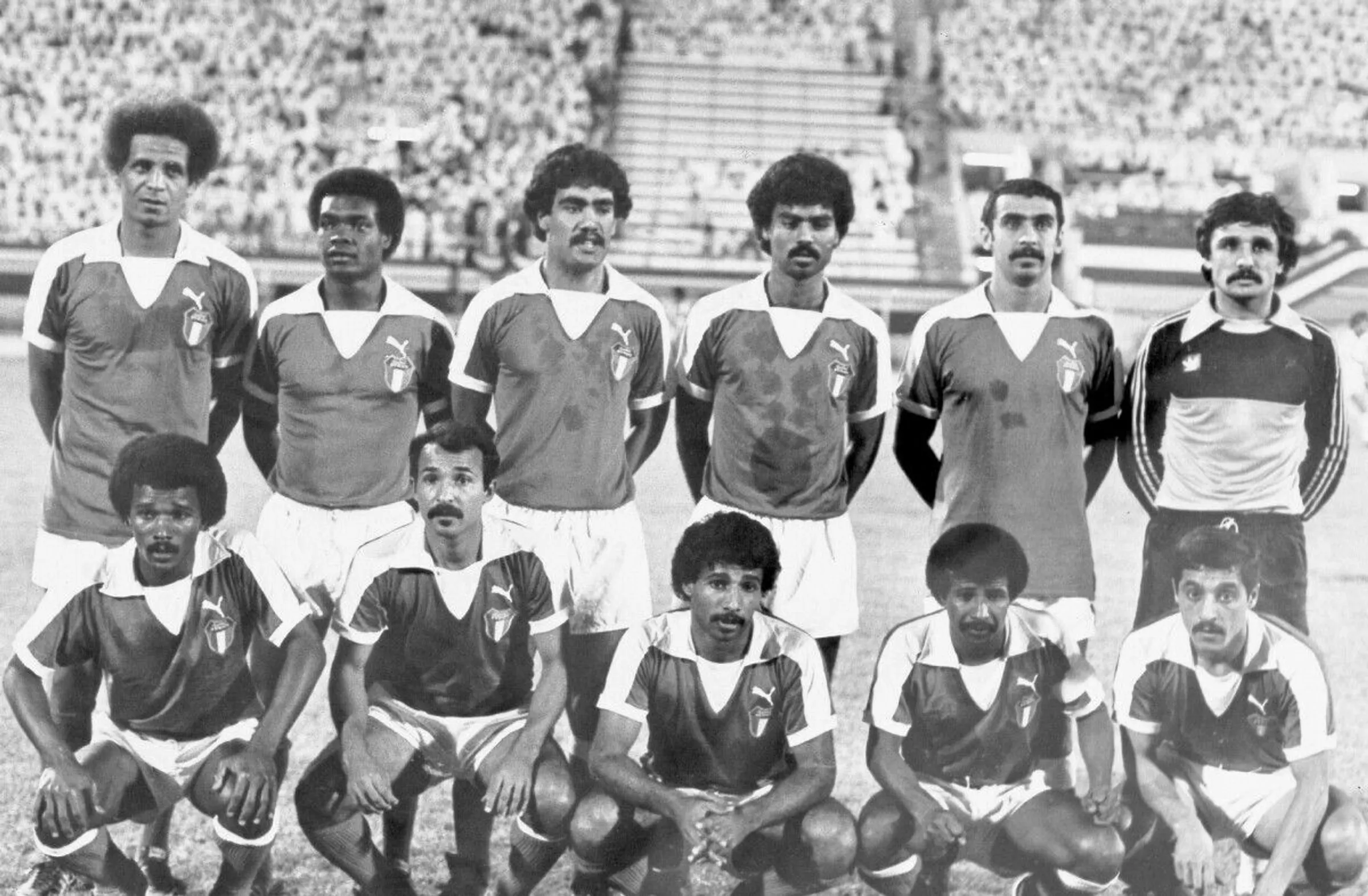
Once again the size of the competition increased, with 10 teams granted places at the Finals as Kuwait were joined by champions Iran as well as two-time winners Korea Republic, China PR, Bangladesh, Malaysia, DPR Korea, Qatar, Syria and the United Arab Emirates.
Kuwait only narrowly squeezed through to the semi-finals after a second-place finish in the group phase behind the Koreans and just ahead of Malaysia, while Iran and DPR Korea secured the places available from Group A.
That outcome, however, allowed the hosts the opportunity to take revenge on the Iranians for their final defeat four years earlier, and Faisal Al Dakhil’s 85th minute winner saw Kuwait advance and end Iran’s remarkable run of AFC Asian Cup success.
In the final the Kuwaitis met a Korea Republic side that had defeated them 3-0 in the group phase but, having learned the lessons from that loss, Carlos Alberto Parreira’s team turned the tables on the east Asians, with Al Dakhil scoring twice in a 3-0 win.

Played in Singapore, the eighth edition of the competition featured a new arrival: Saudi Arabia made their AFC Asian Cup debut and sparked off a run of success that is unparalleled in the history of the tournament.
Progress to the final in their inaugural showing was the first of five consecutive appearances in the competition’s deciding game, a feat that has yet to be matched.
Saudi Arabia’s path to their first title saw them advance from Group B ahead of the Kuwaitis before a penalty shootout win over Iran set them up to meet China PR, who defeated the defending champions in the last four, in the final.
Goals from Shaye Al Nafisah and Majed Abdullah secured Saudi Arabia’s first AFC Asian Cup title and a second was to follow four years later in Qatar, when the Gulf state defeated Korea Republic to become the first nation to successfully defend the title since Iran’s win in 1976.

That second successive title set Saudi Arabia up for a shot at matching Iran’s three-peat as the tournament moved to Japan for the first time.
The east Asian nation had been a latecomer to the upper echelon of the continental game, with the country making their first appearance at the AFC Asian Cup in 1988 and was awarded the hosting rights for the 1992 Finals.
Few expected the Japanese to make much of a mark after finishing bottom of their group in Qatar, so it came as a surprise when they advanced to the last four ahead of the United Arab Emirates, who featured many of the players who had participated at the 1990 FIFA World Cup, Iran and DPR Korea.
Saudi Arabia, meanwhile, remained on track for a third straight title with a first place finish in their group as they progressed alongside China PR before booking their place in the final with a 2-0 win over the UAE.
The Saudis were just 90 minutes away from a record-equalling win and only the hosts stood in their way after Hans Ooft’s team notched up a 3-2 victory over the Chinese to take Japan into their first-ever final.
Against all the odds, though, Takuya Takagi scored the only goal at the Big Arch Stadium in Hiroshima to give Japan a shock win and provide a precursor for the next major shift in Asian football.

That, though, would be eight years away. In the meantime, the Saudis were desperate to restore themselves to a position of preeminence and, in the UAE in 1996, they set about proving that the outcome four years earlier had been little more than a blip.
Newly expanded to 12 teams, 1996 saw Uzbekistan make their debut appearance at the Finals. But despite the new faces, Asian football was greeted by the familiar sight of the Saudis once again hoisting the trophy after the final.
This time, though, was to be different. While Nelo Vingada’s side prevailed over the hosts in a penalty shootout in the final, a changing of the guard was under way once again that would finally see the balance of power swing back towards the east.
Japan dominate, Iraq delight
Japan’s AFC Asian Cup win on home soil in 1992 might have come as a surprise, but on hindsight it proved to be a precursor of a period of superiority whose roots lay in the advent of professionalism in the east Asian nation and a remarkable attention to detail.
Until the early 1990s the Samurai Blue had been a minor player at the AFC Asian Cup but, with the arrival of the J.League in 1993 and the dawn of an era that brought with it rapid development at all levels, Japanese football was on the rise.

By the time the 2000 AFC Asian Cup started in Lebanon, the Japanese had already made their debut appearance at the Finals of the FIFA World Cup in France in 1998 while their youth team had reached the final of the 1999 FIFA U20 World Cup.
Under Frenchman Philippe Troussier, Japan’s attempt to establish themselves as the preeminent power of Asian football was in full swing as they opened their campaign with a 4-1 defeat of Saudi Arabia.
An 8-1 win over Uzbekistan was to follow before victories over Iraq and China PR in the quarter-finals and semi-finals respectively set up a rematch with the Saudis in the final at Beirut’s Sports City Stadium.
The Saudis put up a strong challenge – and missed the chance to go ahead when Hamza Idris missed from the penalty spot – before Shigeyoshi Mochizuki scored the only goal of the game to give Japan a second AFC Asian Cup.
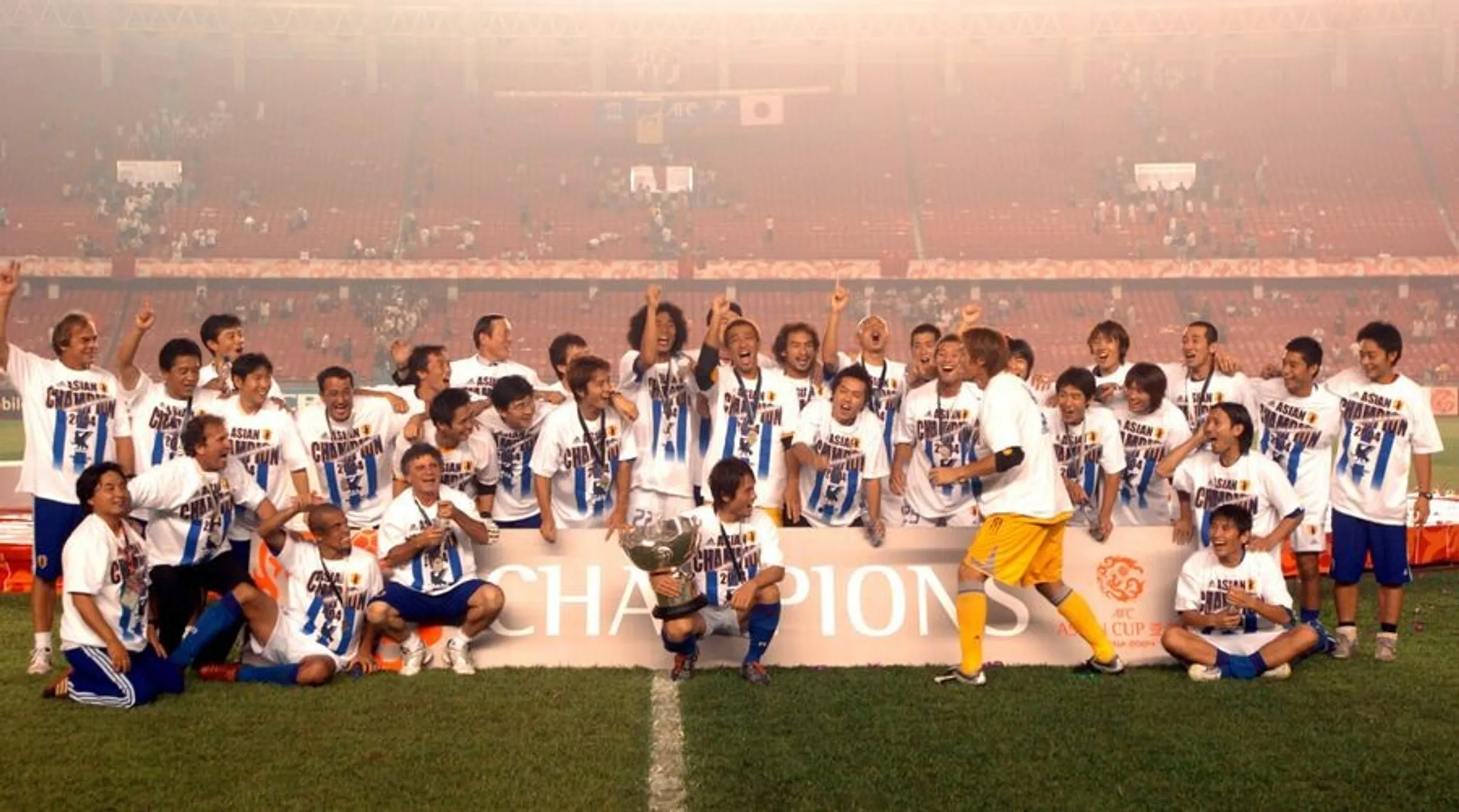
Four years later, the Japanese repeated the feat. With Brazilian coach Zico at the helm, Japan saw off hosts China PR to claim a third AFC Asian Cup title in four tournaments and join Saudi Arabia and Islamic Republic of Iran as the competition’s most successful nations.
A third straight title for Japan was on the agenda as the teams gathered in Southeast Asia for the AFC Asian Cup in 2007, co-hosted by Thailand, Vietnam, Malaysia and Indonesia.
Japan’s challenge ended at the semi-final stage when the Saudis extracted revenge for their 2000 loss while Iraq were mounting a fairytale challenge for the trophy.

Having defeated newcomers Australia in the group phase, Jorvan Vieira’s side were on a roll with striker Younis Mahmoud in devastating form.
A penalty shootout win over Korea Republic took the Iraqis into their first-ever AFC Asian Cup final, where Mahmoud’s stunning header secured an unlikely title win for a country that had been torn apart by war and violence over the preceding decade.

Japan, however, were back on top four years later but they had to do it the hard way.
A tight battle in the group phase with Jordan and Syria was followed by a narrow escape against hosts Qatar in the quarter-finals before an epic clash with Korea Republic in the semi-finals set up a meeting with Australia.
The Socceroos dominated the final and were unfortunate not to seal the win in normal time, but that inability to kill the game left Tadanari Lee to score the only goal in extra-time and earn Japan a record-breaking fourth title.
Australia, Qatar join elite club
With Australia hosting the Finals for the first time in 2015 – less than a decade after becoming an AFC member – the trophy was destined to remain in the eastern half of the continent. The identity of the champions, though, was to change.

With Japan slipping out in the quarter-finals at the hands of the United Arab Emirates, the final was eventually contested by the hosts and Korea Republic, who were seeking to end a drought stretching back to 1960.
Massimo Luongo gave Australia the lead in front of a sold out Stadium Australia only for Son Heung-min to rescue the Koreans in injury time with an equalising goal that took the game into extra-time.
However, James Troisi restored the Socceroos’ lead late in the first period and the Australians hung on to put another new name – becoming the eighth different nation to claim the title – on the AFC Asian Cup trophy.

That became nine different winners four years later as Qatar, preparing to host the 2022 FIFA World Cup, swept all before them to lift the title.
An impressive group stage saw Felix Sanchez's side defeat Lebanon, DPR Korea and Saudi Arabia. Iraq were beaten 1-0 in the Round of 16, as were Korea Republic in the quarter-finals.
United Arab Emirates fell 4-0 in the semi-finals as Qatar set up a final against a Japanese side seeking a record-extending fifth title.
Qatar, however, were not to be denied as they won 3-1 with Almoez Ali etching his name in the history books as the all-time AFC Asian Cup top scorer with nine goals.
