
FIFA World Cup
Following the emphatic success of Korea Republic and Japan, the co-hosts of 2002, Asian football was on the rise, and returned four years later with Islamic Republic of Iran replacing China PR as part of the quartet representing the AFC at Germany 2006.
Zico’s Japan fall in tough group
Japan made it a hat-trick of appearances in the FIFA World Cup Finals after easing through the qualifiers before being drawn in a group alongside defending champions Brazil, Croatia and Australia.
The first test that awaited them in Kaiserslautern was against a team that would turn into very familiar foes in the ensuing years. Australia had qualified for the event as a representative of Oceania, but the Group F clash was the first meeting between the two sides since the Socceroos joined the Asian Football Confederation earlier that year.
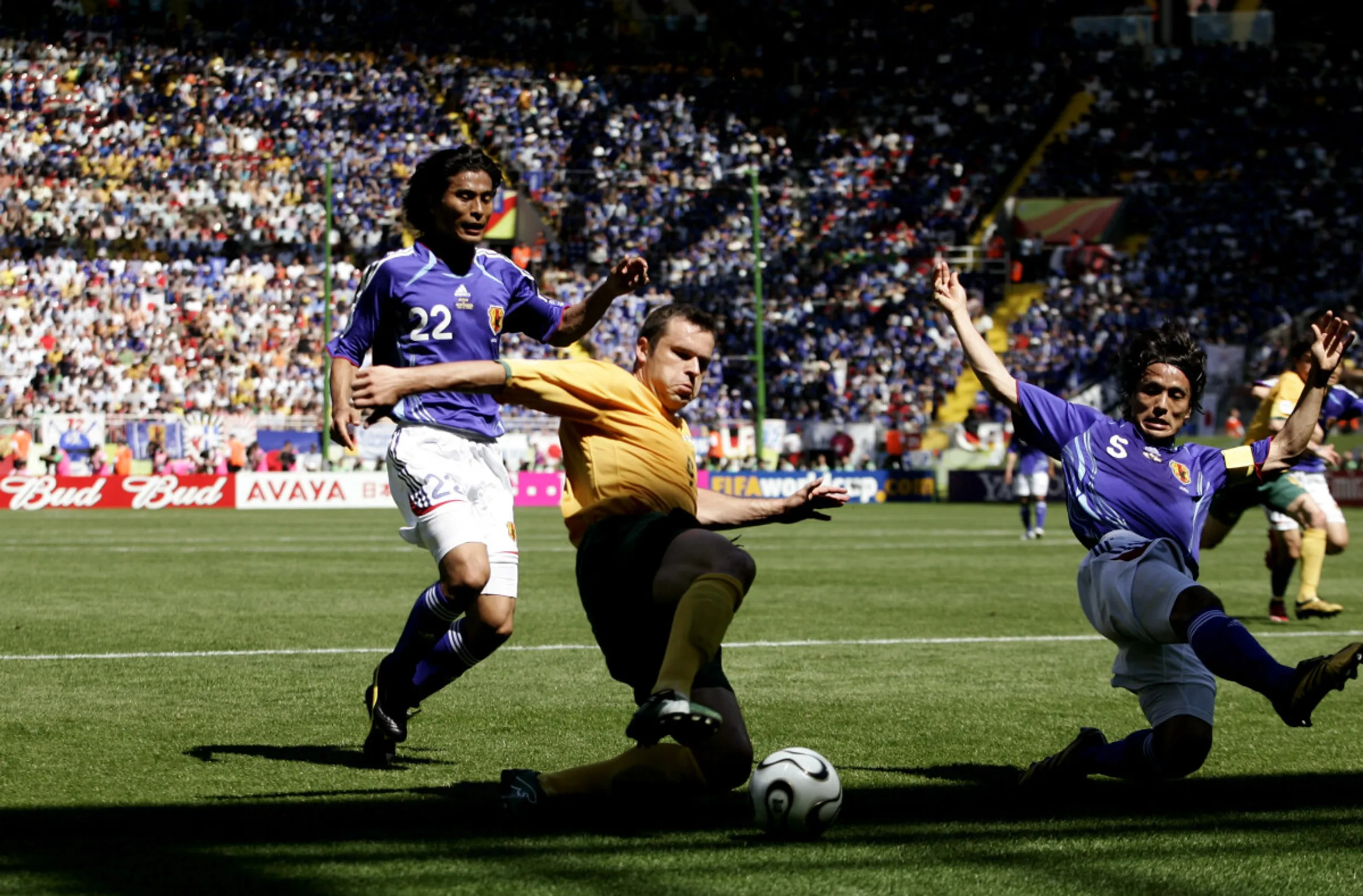
Against an Australian side that boasted a string of English Premier League stars including Mark Viduka, Harry Kewell and Tim Cahill, it was the East Asians who took the lead in the 26th minute when Australia custodian Mark Schwarzer misjudged Shunsuke Nakamura’s cross as the ball sailed into the back of the net.
Japan preserved that lead up until the 84th minute when substitute Cahill took centre stage. The Everton man’s equaliser was Australia’s first-ever goal at the FIFA World Cup while his second, with just over a minute left on the clock, was a thing of beauty as he curled home a stunning effort in off the post to stun the Samurai Blue.
The East Asians threw bodies forward in search of the equaliser but the Socceroos broke to kill the game through John Aloisi in the second minute of added time to secure a first FIFA World Cup win for his nation.
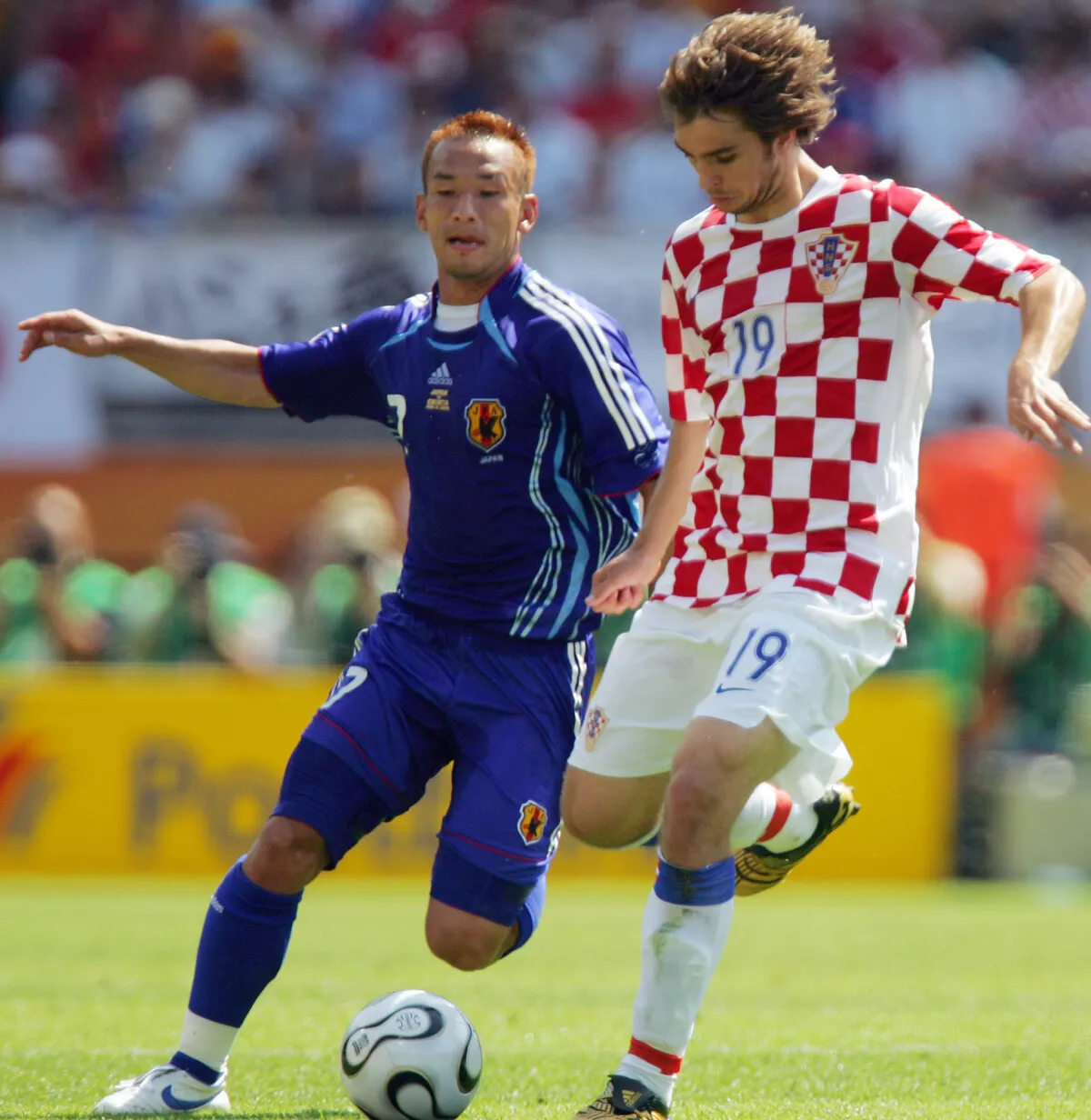
Six days later against Croatia in Nuremberg, Japanese goalkeeper Yoshikatsu Kawaguchi produced a spectacular save to deny Darijo Srna's penalty in the first half before Japan missed a number of chances to secure all three points as the game ended goalless.
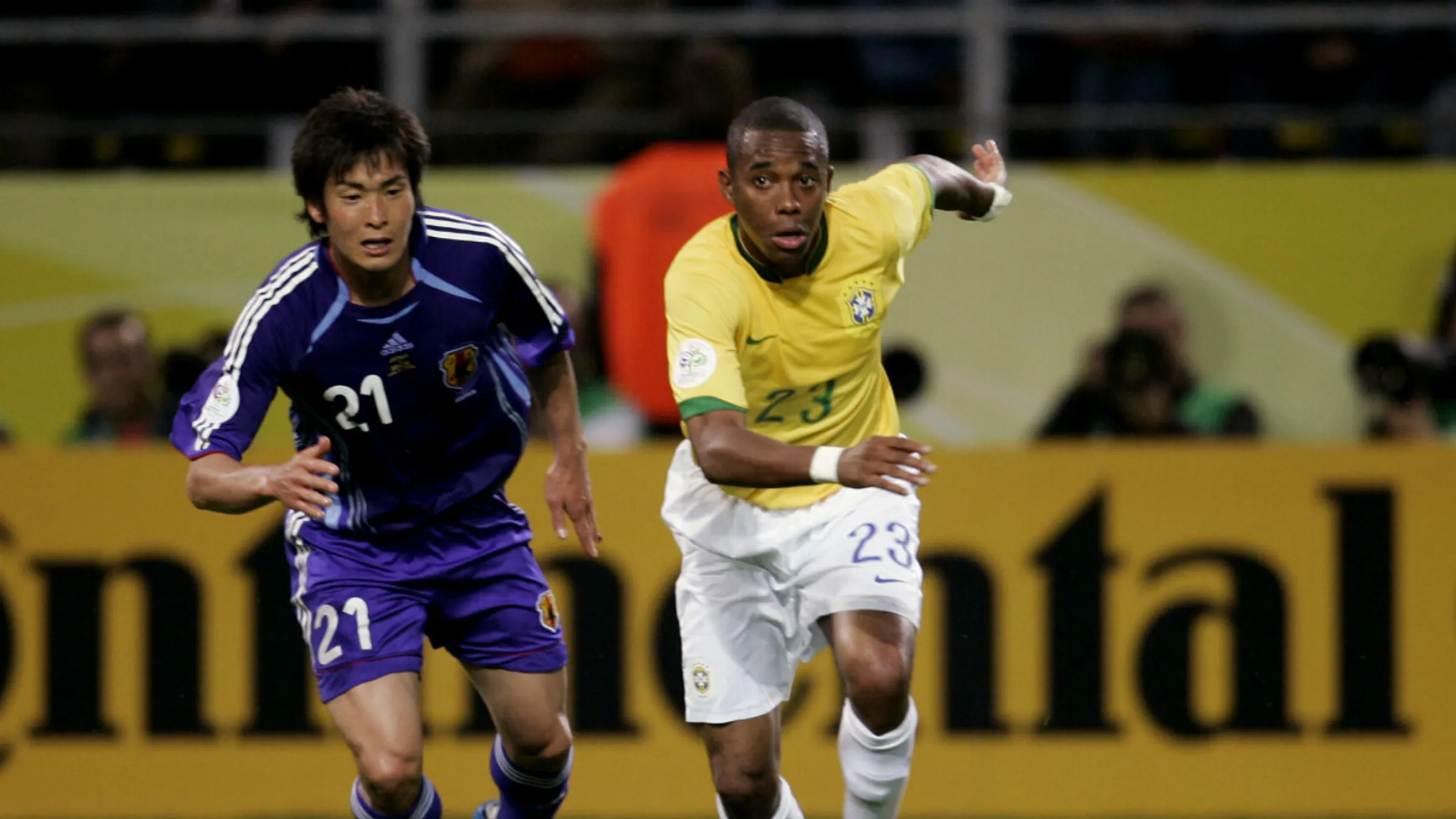
Needing to beat Brazil in order to reach the knockout rounds was a tall order for Japan, whose head coach Zico was up against his home country. But it was the East Asians who drew first blood – Keiji Tamada blasting his shot past Selecao goalkeeper Dida in the 34th minute to keep the unlikely dream alive.
Needing to beat Brazil in order to reach the knockout rounds was a tall order for Japan, whose head coach Zico was up against his home country. But it was the East Asians who drew first blood – Keiji Tamada blasting his shot past Selecao goalkeeper Dida in the 34th minute to keep the unlikely dream alive.

However, just as it appeared Japan would head into the interval in front, Ronaldo levelled in first-half stoppage time. Juninho Pernambucano and Gilberto Silva gave Brazil a 3-1 lead before the hour and Ronaldo then became the joint top scorer in FIFA World Cup history by sealing the 4-1 win in the 81st minute as Japan were sent home.
Korea Republic so close but yet so far
After reaching the semi-finals of the 2002 FIFA World Cup that they co-hosted with Japan, Korea Republic had the weight of expectations on their shoulders as they headed into the 2006 event.
After reaching the semi-finals of the 2002 FIFA World Cup that they co-hosted with Japan, Korea Republic had the weight of expectations on their shoulders as they headed into the 2006 event.

Their 2006 FIFA World Cup began in perfect fashion in Frankfurt with a 2-1 win over Togo. It had been the African debutants who took the lead through Mohammed Kader half an hour in, but the Koreans came back with greater resolve in the second half.
Togo captain Jean-Paul Abalo was sent off for a second bookable offence and Lee Chun-soo planted the resulting free-kick past Kossi Agassa to draw Korea level. Four years after scoring the golden goal that eliminated Italy from the 2002 edition, Ahn Jung-hwan produced a stunner late on to seal his side’s 2-1 win.
Togo captain Jean-Paul Abalo was sent off for a second bookable offence and Lee Chun-soo planted the resulting free-kick past Kossi Agassa to draw Korea level. Four years after scoring the golden goal that eliminated Italy from the 2002 edition, Ahn Jung-hwan produced a stunner late on to seal his side’s 2-1 win.
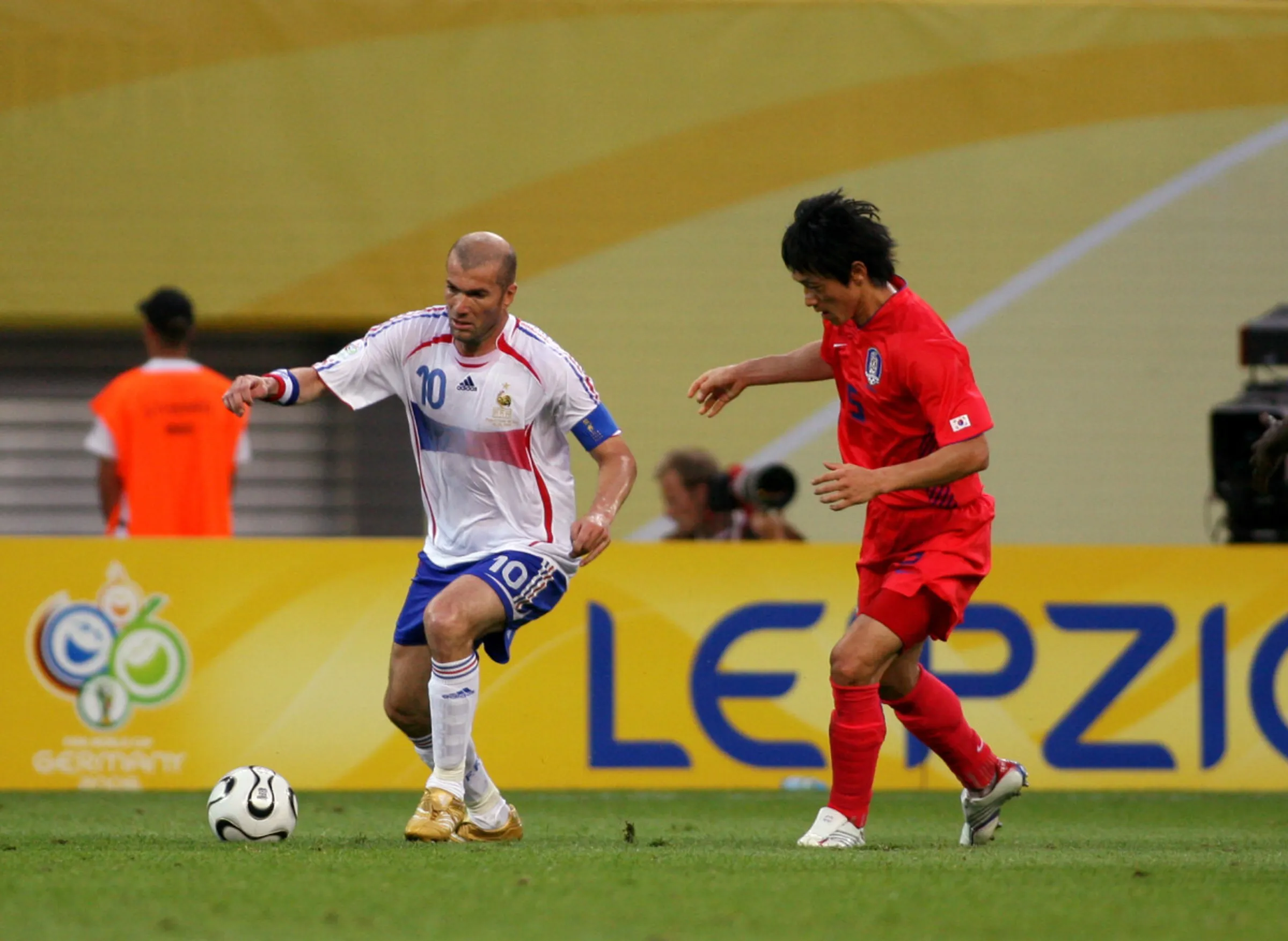
Dick Advocaat side’s second outing was against 1998 world champions France who made a group stage exit at the 2002 tournament without scoring a goal. But, after a goalless draw against Switzerland, Thierry Henry broke the deadlock after nine minutes against the Koreans with his country’s first goal of the 2006 campaign – one that would culminate in a title clash with Italy in Berlin.
The Taeguk Warriors, however, did not let their heads drop and went in search of an equaliser. And they were rewarded with nine minutes to play when a Seol Ki-hyeon cross was met at the far post by Cho Jae-jin who headed the ball back across the goal for Manchester United winger Park Ji-sung to score and salvage a famous draw for his nation.
The Taeguk Warriors, however, did not let their heads drop and went in search of an equaliser. And they were rewarded with nine minutes to play when a Seol Ki-hyeon cross was met at the far post by Cho Jae-jin who headed the ball back across the goal for Manchester United winger Park Ji-sung to score and salvage a famous draw for his nation.
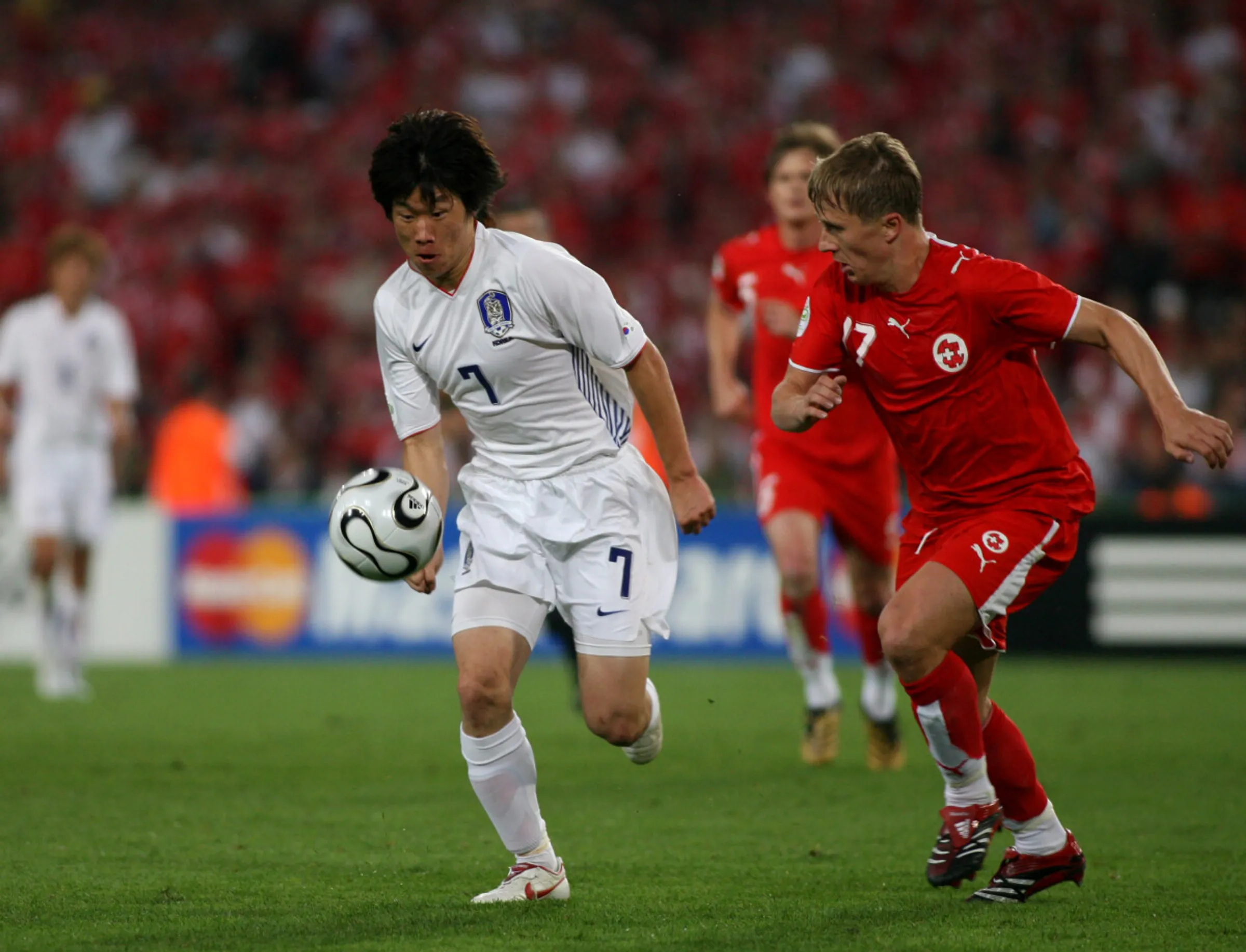
Four points from a possible six was an excellent return after two games, but the Koreans went into their final group fixture likely needing all three points against Switzerland. Philippe Senderos headed the Swiss in front in the first half before Alexander Frei scored a second under controversial circumstances.
The Korean defence had stopped after the assistant referee flagged Frei for offside, but the referee let the game continue and the goal stood to the dismay of Advocaat's players. With France also winning 2-0 against Togo, it was the French who progressed as runners-up, pipping Korea as the Taegeuk Warriors exited despite another fine display at the FIFA World Cup.
The Korean defence had stopped after the assistant referee flagged Frei for offside, but the referee let the game continue and the goal stood to the dismay of Advocaat's players. With France also winning 2-0 against Togo, it was the French who progressed as runners-up, pipping Korea as the Taegeuk Warriors exited despite another fine display at the FIFA World Cup.
Al Jaber’s record-breaking exploits not enough for Saudi
Looking to recover from the underwhelming show of 2002 as they took part in their fourth consecutive FIFA World Cup, Marcos Paqueta’s Saudi Arabia were drawn in Group H alongside Ukraine, Spain, and Tunisia.
Looking to recover from the underwhelming show of 2002 as they took part in their fourth consecutive FIFA World Cup, Marcos Paqueta’s Saudi Arabia were drawn in Group H alongside Ukraine, Spain, and Tunisia.

After falling behind against Tunisia in the first half, the Green Falcons kept knocking and were rewarded with an equaliser as Yasser Al Qahtani smashed the ball in from Mohamed Nour’s cross.
With six minutes of play left, Sami Al Jaber cemented his place in the pantheon of Asian football’s greats, becoming the first-ever Asian player to score in three World Cups, having scored against Morocco in 1994 and South Africa in 1998.
The 12-year gap between his first and what would be his last FIFA World Cup goal earned him a place at an exclusive club which includes the likes of Pele and Diego Maradona.
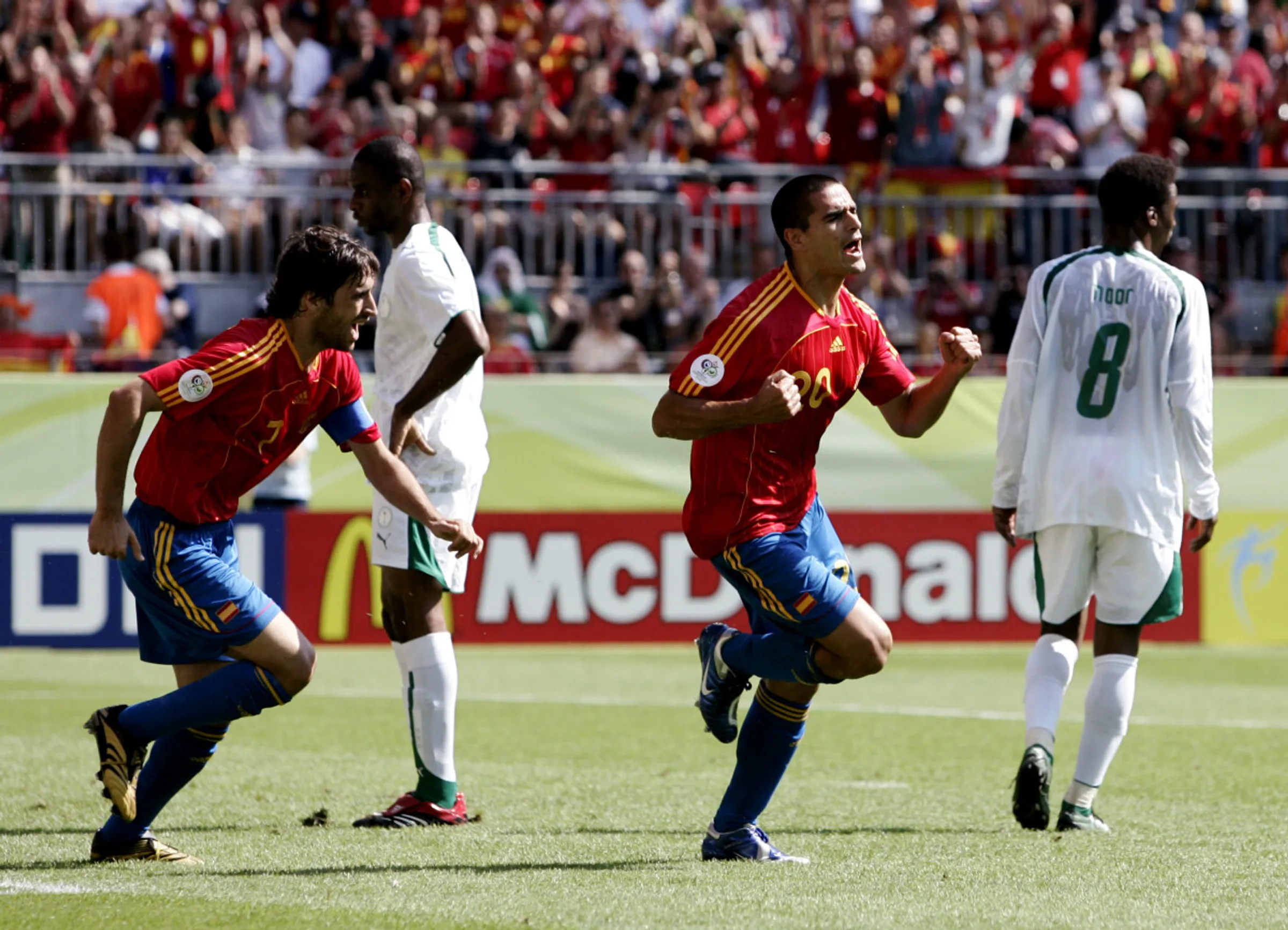
The heroics of Al Jaber would prove to be less than enough as Radhi Jaidi headed home deep into injury time to ensure the game ended in a 2-2 draw.
It would be the only point Saudi Arabia picked up in Germany 2006. A 4-0 loss to an Andriy Shevchenko-inspired Ukraine, was followed by a much better performance against Spain despite the 1-0 defeat against the team led by the likes of Raul, Andres Iniesta and Cesc Fabregas.
It would be the only point Saudi Arabia picked up in Germany 2006. A 4-0 loss to an Andriy Shevchenko-inspired Ukraine, was followed by a much better performance against Spain despite the 1-0 defeat against the team led by the likes of Raul, Andres Iniesta and Cesc Fabregas.
End of an era for Team Melli
Hopes were high for the team that came third in the 2004 AFC Asian Cup™, topped their FIFA World Cup qualifying group, and were armed with a mix of experience in the form of a 37-year-old Ali Daei and youth in one of Asia’s hottest talents, Ali Karimi.
A group featuring Cristiano Ronaldo’s Portugal, World Cup perennials Mexico and debutants Angola provided scope for an upset.

A solid first-half display against Mexico saw Yahya Golmohammadi strike home to cancel out Omar Bravo’s opener, but the Iranians capitulated inside three minutes in the second half allowing Bravo to get his second of the game, and Antonio Sinha to assure his team of a win.
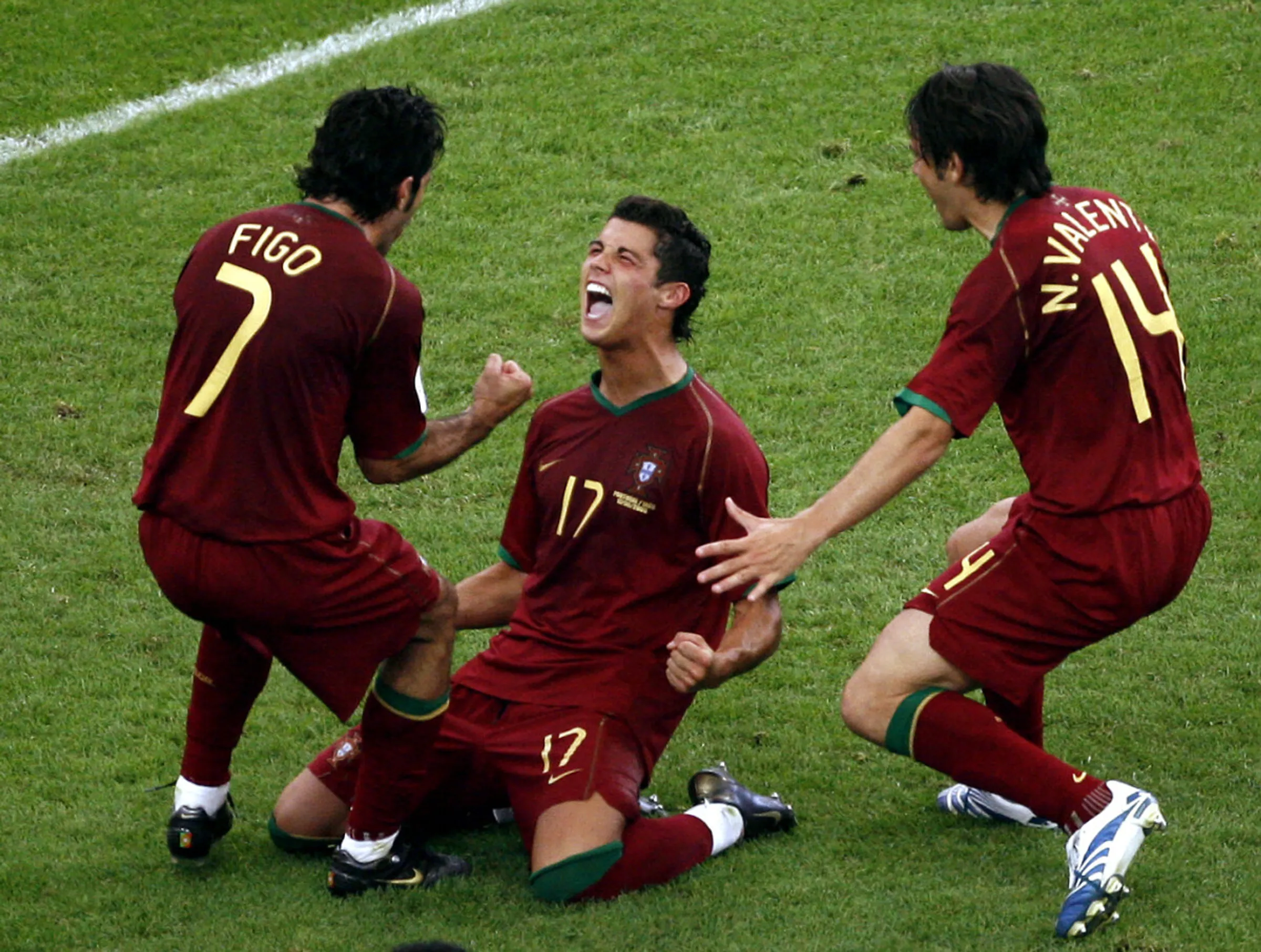
Star-studded Portugal were then made to work for their victory with Deco breaking the deadlock after the hour-mark and Ronaldo putting the game to bed from the penalty spot in the 80th minute, marking his first-ever FIFA World Cup goal.
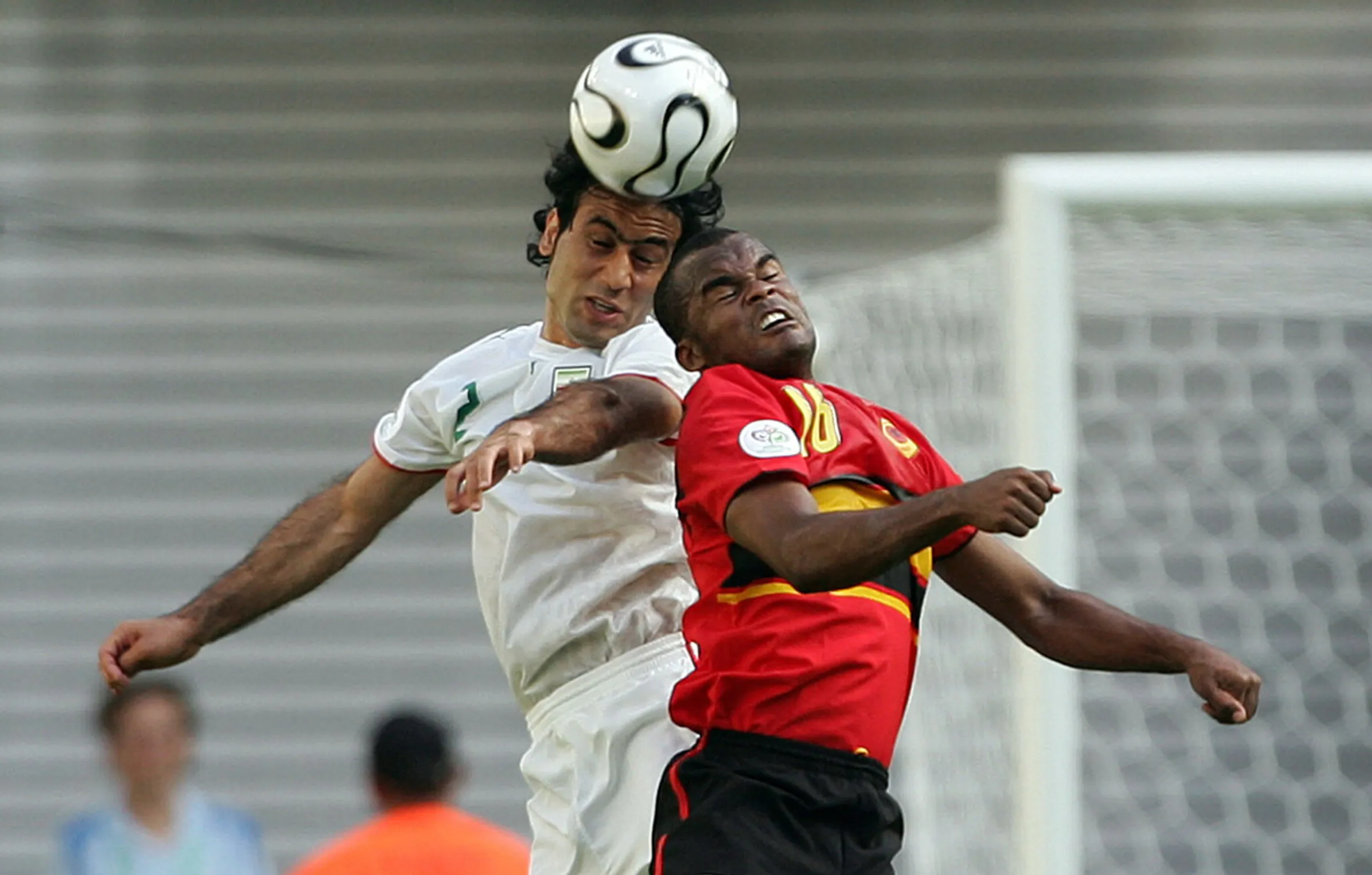
Branko Ivankovic’s men bowed out on a relatively positive note as Sohrab Bakhtiarizadeh headed home Mehdi Mahdavikia’s corner to cancel out Flavio Amado’s goal for Angola and ensure Iran didn’t leave Germany empty handed.
The 2006 campaign would mark the end of a golden generation of Iranian football having participated in two World Cups, with Team Melli only returning to the global showpiece in Brazil 2014 with the start of the Carlos Queiroz era.
Photos: FIFA via Getty Images, AFP
The 2006 campaign would mark the end of a golden generation of Iranian football having participated in two World Cups, with Team Melli only returning to the global showpiece in Brazil 2014 with the start of the Carlos Queiroz era.
Photos: FIFA via Getty Images, AFP
